How to Prioritize Debts When Rebuilding Credit is a journey many embark on to achieve financial well-being. This guide will illuminate the path forward, offering clarity and actionable strategies to navigate the complexities of debt management and credit restoration.
Understanding the critical role of strategic debt repayment is foundational to improving your credit score. By effectively managing existing financial obligations, you directly influence key credit metrics like your credit utilization ratio. Furthermore, consistent debt management builds a positive payment history, a cornerstone of creditworthiness, while also offering significant psychological benefits through a clear and achievable repayment plan.
Understanding the Importance of Debt Prioritization for Credit Rebuilding
When embarking on the journey of rebuilding credit, effectively managing existing debts is not merely a suggestion; it’s a foundational necessity. Your credit score is a reflection of your financial responsibility, and how you handle your outstanding obligations plays a pivotal role in shaping that perception. Strategic debt prioritization ensures that your efforts are directed towards actions that yield the most significant positive impact on your credit profile.
Prioritizing your debts is the cornerstone of a successful credit rebuilding strategy. It moves you from a reactive approach to a proactive one, giving you control over your financial future. By understanding which debts to tackle first and how to approach them, you lay the groundwork for a healthier credit score and improved financial well-being.
Impact on Credit Utilization Ratios
Credit utilization ratio, which represents the amount of credit you are using compared to your total available credit, is a critical factor in credit scoring. Lenders view high utilization as a sign of financial distress. Strategically paying down debts, particularly those with high balances relative to their credit limits, directly lowers your overall utilization ratio.
For instance, if you have a credit card with a $1,000 limit and a $900 balance, your utilization on that card is 90%. If you also have another card with a $2,000 limit and a $500 balance (25% utilization), your overall utilization is influenced heavily by the first card. By focusing on reducing the balance on the first card to, say, $300, your utilization on that card drops to 30%.
This significantly improves your overall credit utilization, which can lead to a noticeable increase in your credit score.
The general consensus among credit experts is to keep credit utilization below 30%, with 10% or lower being ideal for optimal credit scoring.
Establishing a Positive Payment History
A positive payment history is arguably the most significant factor influencing your credit score. Consistent, on-time payments demonstrate reliability and responsibility to credit bureaus. When you have a clear debt repayment plan, you are better equipped to meet your monthly obligations consistently, thereby building a robust history of timely payments.
This includes not only credit cards but also loans such as personal loans, auto loans, and mortgages. Each on-time payment contributes positively to your credit report. Conversely, late payments can have a severe negative impact, often taking years to recover from. Prioritizing which debts to pay first ensures that you can consistently meet the minimum payments on all your accounts, preventing delinquencies and fostering a positive track record.
Psychological Benefits of a Clear Debt Repayment Plan
Beyond the tangible financial benefits, having a structured debt repayment plan offers significant psychological advantages. The feeling of being overwhelmed by debt can lead to stress, anxiety, and a sense of hopelessness. A well-defined plan provides a roadmap, breaking down a large, daunting task into manageable steps.
This clarity fosters a sense of control and accomplishment as you progress. Each debt paid off, no matter how small, serves as a motivational milestone. This psychological boost can fuel your determination and make the credit rebuilding process feel less like a burden and more like an achievable goal. It allows you to focus your energy on positive actions rather than dwelling on the negative aspects of your financial situation.
Identifying and Categorizing Debts
Before you can effectively prioritize your debts, it’s crucial to have a clear understanding of what you owe. This involves meticulously identifying each debt and categorizing it based on its characteristics. This foundational step allows for a strategic approach to debt repayment, ultimately aiding in your credit rebuilding journey.Understanding the nature of each debt is paramount. Not all debts are created equal, and their impact on your credit can vary significantly.
By taking the time to gather all relevant information, you empower yourself to make informed decisions about which debts to tackle first.
Common Types of Debts
Individuals often manage a variety of debts, each with its own repayment structure and implications for credit health. Recognizing these common debt types is the first step in organizing your financial obligations.Here are some of the most frequently encountered types of debts:
- Credit Card Debt: This includes balances carried on various credit cards, often with variable interest rates.
- Personal Loans: Unsecured loans taken out for various personal expenses, typically with fixed interest rates and repayment terms.
- Mortgages: Loans secured by real estate, used to purchase a home. These usually have the longest repayment terms and relatively lower interest rates compared to unsecured debt.
- Auto Loans: Loans specifically for purchasing a vehicle, secured by the car itself.
- Student Loans: Loans obtained to finance education, which can be federal or private, with varying interest rates and repayment options.
- Medical Debt: Bills incurred for healthcare services, which can sometimes be negotiated or set up on payment plans.
- Payday Loans: Short-term, high-interest loans typically due on the borrower’s next payday. These are generally considered predatory due to their exorbitant fees and interest rates.
Assessing Interest Rates and Terms
The interest rate and terms of a debt are critical factors in determining its urgency and overall cost. A systematic assessment of these elements will guide your prioritization strategy.To effectively assess your debts, consider the following:
- Interest Rate (APR): This is the annual cost of borrowing, expressed as a percentage. Higher APRs mean you pay more in interest over time.
- Minimum Monthly Payment: The smallest amount you are required to pay each month to keep the account in good standing.
- Loan Term: The total period over which the loan is to be repaid, often expressed in months or years.
- Fees: Look for any associated fees, such as late fees, annual fees, or origination fees, as these add to the total cost of the debt.
- Collateral: Determine if the debt is secured by an asset (like a car or house) or unsecured. Secured debts carry the risk of repossession if not paid.
A helpful framework for assessing your debts involves creating a simple spreadsheet or table. For each debt, record the lender, outstanding balance, interest rate (APR), minimum monthly payment, and the loan term. This organized view will quickly highlight which debts are the most expensive.
Good Debt Versus Bad Debt
The concept of “good debt” versus “bad debt” is a useful distinction when rebuilding credit. While all debt requires repayment, some types can be more beneficial for your financial growth and credit score than others.
Good debt can be viewed as an investment that has the potential to increase your net worth or earning potential over time. Bad debt, conversely, is typically associated with depreciating assets or consumption, and often carries high interest rates that drain your finances.
Examples of good debt include:
- Mortgages: Purchasing a home can build equity and potentially appreciate in value.
- Student Loans: Investing in education can lead to higher earning potential.
- Business Loans: Funding a venture that generates profit.
Examples of bad debt include:
- High-Interest Credit Card Debt: Especially when carrying a balance, the interest accrual can be substantial and hinder financial progress.
- Payday Loans: The extremely high interest rates make these loans financially damaging.
- Loans for Depreciating Assets with High Interest: Such as loans for luxury items that lose value quickly.
In the context of credit rebuilding, focusing on paying down high-interest bad debt is often a priority, while strategically managing good debt can contribute positively to your credit profile.
Gathering All Necessary Information
To accurately categorize and prioritize your debts, a comprehensive collection of information is essential. Without this data, your prioritization efforts will be based on incomplete knowledge.To gather all necessary information for each outstanding debt, follow these steps:
- Review Bank Statements: Look for automatic payments or recurring charges related to loans or credit cards.
- Check Your Credit Report: Your credit report provides a detailed list of your credit accounts, including balances, lenders, and payment history. Obtain a free copy from each of the three major credit bureaus annually.
- Locate Original Loan Documents: If you still have them, original loan agreements, credit card statements, and other documentation will contain precise details about terms and interest rates.
- Contact Lenders Directly: If any information is unclear or missing, do not hesitate to call your lenders. They can provide current balances, APRs, and details about your repayment terms.
- Organize Information Systematically: Use a spreadsheet, a dedicated budgeting app, or a simple notebook to record the details for each debt. Key information to record includes:
- Lender Name
- Account Type (e.g., credit card, auto loan)
- Current Balance
- Interest Rate (APR)
- Minimum Monthly Payment
- Due Date
- Loan Term Remaining (if applicable)
- Is the Debt Secured? (Yes/No)
Having all this information readily accessible and organized will form the bedrock of your debt prioritization strategy.
Prioritization Strategies: Methods and Approaches
/GettyImages-753288525-59f37fed0d327a00104ba348.jpg "Learn How to Prioritize Your Debt Repayment")
After understanding the types of debts you have, the next crucial step in rebuilding your credit is to develop a strategic plan for paying them down. This involves selecting a method that aligns with your financial situation and psychological preferences. Two of the most popular and effective debt repayment strategies are the “debt snowball” and the “debt avalanche.” Each offers a distinct approach to tackling your financial obligations, and understanding their differences will help you make an informed decision.These strategies provide a structured framework for debt repayment, moving you systematically towards financial freedom.
By focusing your extra payments on specific debts, you can accelerate your progress and build momentum, which is vital for maintaining motivation throughout the credit rebuilding journey.
Debt Snowball vs. Debt Avalanche Comparison
The debt snowball and debt avalanche methods are both highly effective for debt repayment, but they differ in their primary focus and the order in which debts are targeted. The debt snowball method prioritizes psychological wins by focusing on smaller debts first, fostering a sense of accomplishment and encouraging continued adherence to the plan. Conversely, the debt avalanche method prioritizes financial efficiency by focusing on debts with the highest interest rates first, which minimizes the total interest paid over time and saves you money in the long run.
| Feature | Debt Snowball | Debt Avalanche |
|---|---|---|
| Primary Focus | Smallest balance | Highest interest rate |
| Psychological Impact | High motivation through quick wins | Potentially slower initial wins, but greater long-term savings |
| Financial Efficiency | Less efficient, potentially higher total interest paid | More efficient, minimizes total interest paid |
| Best Suited For | Individuals who need frequent motivation and quick victories | Individuals focused on minimizing costs and maximizing savings |
Debt Snowball Method Mechanics and Psychological Advantages
The debt snowball method is a debt reduction strategy where you pay off your debts in order from smallest balance to largest balance, regardless of their interest rates. The core principle is to gain psychological momentum by eliminating smaller debts quickly.Here’s how it works:
- List all your debts from the smallest balance to the largest.
- Make minimum payments on all debts except for the smallest one.
- Put any extra money you have towards the debt with the smallest balance.
- Once the smallest debt is paid off, take the money you were paying on it (minimum payment plus extra) and add it to the minimum payment of the next smallest debt.
- Continue this process, “snowballing” the amount you pay towards each subsequent debt, until all debts are eliminated.
The psychological advantages of the debt snowball method are significant. Achieving quick wins by paying off smaller debts provides tangible proof of progress, which can be highly motivating. This sense of accomplishment can help individuals stay committed to their repayment plan, especially when faced with the daunting task of tackling larger debts. The visual of debts being eliminated can foster a feeling of control and optimism, making the journey less overwhelming.
Debt Avalanche Method Implementation and Financial Efficiency
The debt avalanche method is a debt reduction strategy where you pay off your debts in order from highest interest rate to lowest interest rate, regardless of their balance size. This method is financially superior because it minimizes the total amount of interest paid over the life of your debts.Here’s the process for implementing the debt avalanche method:
- List all your debts and identify their interest rates.
- Organize your debts from the highest interest rate to the lowest interest rate.
- Make minimum payments on all debts except for the one with the highest interest rate.
- Allocate any additional funds you have towards the debt with the highest interest rate.
- Once the debt with the highest interest rate is paid off, redirect the total payment amount (minimum payment plus the extra funds) to the debt with the next highest interest rate.
- Continue this strategy until all your debts are paid off.
The financial efficiency of the debt avalanche method is its primary benefit. By aggressively targeting high-interest debts, you reduce the amount of money spent on interest payments. This means more of your money goes directly towards reducing the principal balance, leading to faster overall debt payoff and significant savings over time.
The debt avalanche method saves you the most money on interest, while the debt snowball method can keep you motivated with quicker wins.
Choosing the Most Suitable Prioritization Strategy
Selecting the right debt prioritization strategy depends on your personal financial situation and psychological makeup. There isn’t a one-size-fits-all answer, and what works best for one person might not be ideal for another. Consider the following steps to determine your most suitable approach:
- Assess Your Financial Situation: Review all your debts, including balances, interest rates, and minimum payments.
- Evaluate Your Motivation Levels: Honestly assess your need for immediate gratification versus your ability to stay focused on long-term financial gains. Are you someone who thrives on seeing debts disappear quickly, or are you more driven by the prospect of saving the most money?
- Consider Your Discipline: Both methods require discipline, but the debt avalanche demands a higher level of patience as the initial wins might be less frequent.
- Simulate Both Methods: Create hypothetical scenarios for both the debt snowball and debt avalanche using your actual debt figures. Calculate how long each method would take and the total interest you would pay. This can provide a clear financial picture.
- Choose the Method That Resonates: Ultimately, select the strategy that you feel most confident you can stick with. Consistency is key to successful debt repayment. If you anticipate needing more frequent motivation, the debt snowball might be better. If you are highly disciplined and focused on maximizing savings, the debt avalanche is likely the more advantageous choice.
Sample Scenario: Applying Both Methods
Let’s consider a sample scenario to illustrate how the debt snowball and debt avalanche methods would play out with a hypothetical set of debts.Assume you have the following debts:
- Credit Card A: $1,000 balance, 20% APR
- Personal Loan B: $3,000 balance, 10% APR
- Student Loan C: $5,000 balance, 6% APR
And you have an extra $300 per month to put towards debt repayment beyond the minimum payments. Scenario 1: Debt Snowball MethodFirst, list debts by balance:
- Credit Card A: $1,000 (minimum payment $30)
- Personal Loan B: $3,000 (minimum payment $75)
- Student Loan C: $5,000 (minimum payment $120)
Total minimum payments: $30 + $75 + $120 = $
225. Extra payment
$
300. Total monthly payment
$225 + $300 = $525.* Month 1-2: Pay minimums on Loan B and Loan C ($75 + $120 = $195). Put $300 + $30 (minimum on A) = $330 towards Credit Card A. Credit Card A is paid off in 2 months.
Month 3-?
Now, take the $330 that was going to Card A and add it to the minimum payment of Loan B ($75). So, you pay $330 + $75 = $405 towards Loan B. Loan B is paid off in approximately 7 more months.
Next
The total payment for Loan B was $405. Add this to the minimum payment of Loan C ($120). You now pay $405 + $120 = $525 towards Loan C until it’s paid off.In this snowball example, you achieve the psychological win of eliminating a debt within the first two months. Scenario 2: Debt Avalanche MethodFirst, list debts by interest rate:
- Credit Card A: $1,000 balance, 20% APR (minimum payment $30)
- Personal Loan B: $3,000 balance, 10% APR (minimum payment $75)
- Student Loan C: $5,000 balance, 6% APR (minimum payment $120)
Total minimum payments: $
225. Extra payment
$
300. Total monthly payment
$525.* Month 1-?: Pay minimums on Loan B and Loan C ($75 + $120 = $195). Put $300 + $30 (minimum on A) = $330 towards Credit Card A (the highest interest rate debt). Credit Card A is paid off in 2 months.
Next
Now, take the $330 that was going to Card A and add it to the minimum payment of Loan B ($75). So, you pay $330 + $75 = $405 towards Loan B. Loan B is paid off in approximately 7 more months.
Next
The total payment for Loan B was $405. Add this to the minimum payment of Loan C ($120). You now pay $405 + $120 = $525 towards Loan C until it’s paid off.In this particular scenario, both methods result in paying off Credit Card A first because it has the highest interest rate and a relatively small balance. However, if the balances were different, the order of payoff could significantly diverge, leading to different total interest paid.
The avalanche method would have saved more money overall by consistently targeting the highest interest rate debt. For instance, if Loan B had a much higher balance, the avalanche method would still prioritize it over the lower-interest student loan, leading to substantial interest savings.
Incorporating Credit Building Tools and Practices
Successfully rebuilding your credit while managing debt requires a strategic approach that integrates debt repayment with proactive credit-building activities. This section focuses on how your debt prioritization directly impacts your credit score and how to leverage various tools and practices to accelerate your progress. By understanding these connections, you can make informed decisions that enhance both your financial health and your creditworthiness.Paying down specific debts has a direct and measurable impact on various components of your credit score.
The most significant influence comes from reducing your credit utilization ratio, which is the amount of credit you’re using compared to your total available credit. High utilization negatively impacts your score, so strategically paying down balances, especially on high-limit cards, can quickly boost this crucial factor. Furthermore, consistently making on-time payments on all your debts, regardless of their priority, is fundamental for demonstrating responsible credit behavior, a cornerstone of a good credit score.
The length of your credit history also plays a role; by managing existing accounts responsibly, you prevent negative marks that could shorten your credit history’s positive impact.
Optimizing Credit Score Components Through Debt Repayment
The way you tackle your debts directly influences key credit score metrics. Focusing on reducing the balances on your credit cards is paramount for improving your credit utilization ratio. For instance, if you have a credit card with a $10,000 limit and a $5,000 balance, your utilization is 50%. Paying this down to $2,000 would bring your utilization to 20%, a significant positive change for your score.
Similarly, ensuring all minimum payments are met on time for all debts, including loans and store cards, builds a positive payment history, which is the most heavily weighted factor in most credit scoring models. Avoiding defaults, collections, or late payments is non-negotiable.
Best Practices for Utilizing Credit-Building Tools Alongside Debt Management
When actively working to pay down debt, it’s essential to integrate credit-building tools thoughtfully. The goal is to demonstrate responsible credit usage without accumulating new, unmanageable debt. This involves choosing tools that align with your repayment plan and your financial goals.Here are some best practices for utilizing credit-building tools while managing debt:
- Prioritize Low-Interest Debt Reduction: While focusing on high-interest debts for cost savings, also consider the impact of paying down credit card balances to improve utilization, which directly benefits your score.
- Use Credit Cards for Essential, Planned Expenses Only: If you use a credit card for day-to-day purchases, ensure you can pay off the entire balance within the billing cycle to avoid interest charges and keep utilization low.
- Avoid Opening Multiple New Accounts Simultaneously: Each new credit application can result in a hard inquiry, which can slightly lower your score. Space out applications and only apply for credit you genuinely need.
- Leverage Balance Transfer Cards Strategically: If you have high-interest credit card debt, a 0% introductory APR balance transfer card can offer a window to pay down principal without accruing interest. However, be aware of transfer fees and the APR after the introductory period.
- Consider Secured Loans for Specific Needs: If you need a loan for a specific purpose, like a car, a secured loan is often easier to obtain and can help build positive payment history.
The Role of Secured Credit Cards in a Debt Repayment Plan
Secured credit cards are invaluable tools for individuals rebuilding credit, especially when combined with a debt repayment strategy. Unlike traditional credit cards, secured cards require a cash deposit upfront, which typically serves as your credit limit. This deposit mitigates risk for the issuer, making them more accessible to those with limited or damaged credit history.When incorporating a secured credit card into your debt repayment plan, consider these points:
- Build Positive Payment History: Use the secured card for small, manageable purchases that you can comfortably pay off in full each month. Consistent, on-time payments are reported to credit bureaus, helping to establish a positive credit history.
- Improve Credit Utilization: While the limit on a secured card is often low, keeping the balance low relative to this limit contributes positively to your overall credit utilization ratio.
- Demonstrate Responsible Credit Management: By using the secured card judiciously and paying it off responsibly, you signal to lenders that you can manage credit effectively, paving the way for approval of unsecured credit in the future.
- Potential for Credit Limit Increases: Many secured card issuers will review your account periodically and may increase your credit limit or allow you to graduate to an unsecured card if you demonstrate responsible behavior over time.
For example, a person with a secured credit card with a $300 deposit and a $300 limit might use it for gas and groceries, spending only $100 and paying it off in full by the due date. This small, positive activity on their credit report can be more beneficial than having no credit activity at all.
Monitoring Credit Reports for Accuracy and Progress
Regularly monitoring your credit reports is crucial for tracking your progress and ensuring accuracy. Errors on your credit report can negatively impact your score and hinder your rebuilding efforts.Here’s how to effectively monitor your credit reports:
- Obtain Free Annual Credit Reports: You are entitled to one free credit report from each of the three major credit bureaus (Equifax, Experian, and TransUnion) every 12 months via AnnualCreditReport.com.
- Review Reports Thoroughly: Check for any accounts you don’t recognize, incorrect personal information, late payments that were actually on time, or incorrect balances.
- Dispute Errors Promptly: If you find inaccuracies, contact the credit bureau directly to dispute them. Provide any supporting documentation you have. The bureaus are required to investigate disputes.
- Track Your Credit Score: Many credit card companies and financial institutions offer free credit score monitoring. This allows you to see how your debt repayment and credit-building activities are affecting your score over time.
- Set Up Alerts: Some services provide alerts for significant changes on your credit report, such as new accounts opened or inquiries made, helping you stay informed.
For instance, if you see a late payment reported on a loan that you know you paid on time, disputing this with the credit bureau is essential. If successful, the removal of that negative mark can significantly improve your credit score.
Checklist for Integrating Debt Repayment with Credit Score Enhancement
To ensure a holistic approach to financial recovery, it’s beneficial to have a structured plan that combines debt repayment with credit score improvement activities. This checklist will guide you through the process.
- Assess Your Current Debts: List all debts, including balances, interest rates, and minimum payments.
- Categorize Debts by Priority: Use methods like the debt snowball or debt avalanche, considering both interest rates and potential credit score impact (e.g., credit utilization).
- Create a Realistic Budget: Allocate funds for debt repayment, essential living expenses, and a small buffer for unexpected costs.
- Identify Credit Building Tools: Determine if a secured credit card, credit-builder loan, or authorized user status is appropriate for your situation.
- Set Up Automatic Payments: Ensure all minimum payments are made on time for all debts, and if possible, set up automatic payments for your chosen credit-building tools.
- Monitor Credit Utilization: Aim to keep credit card balances below 30% of their limits, and ideally below 10%, by making strategic payments.
- Make Extra Payments: Apply any extra funds towards your prioritized debts to accelerate repayment and reduce interest paid.
- Review Credit Reports Quarterly: Check for accuracy and monitor progress in your credit score and utilization.
- Educate Yourself on Credit Scoring: Understand how different factors influence your score and adjust your strategies accordingly.
- Celebrate Milestones: Acknowledge and celebrate progress, such as paying off a debt or achieving a target credit score, to maintain motivation.
Practical Tips for Effective Debt Management
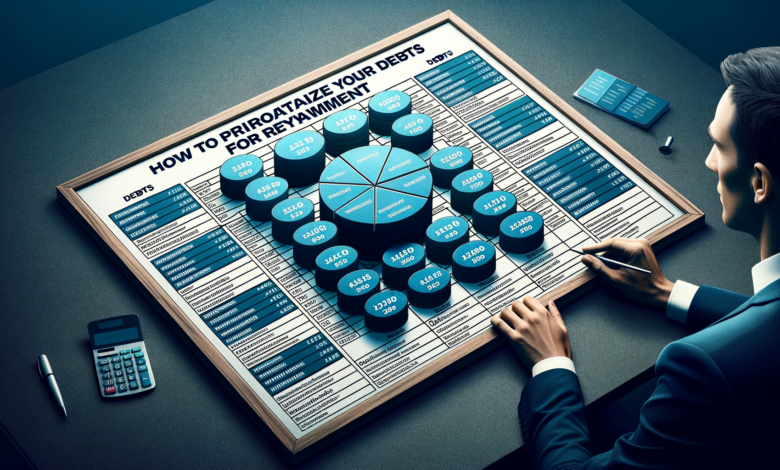
Successfully rebuilding credit involves more than just prioritizing your debts; it requires diligent day-to-day management and strategic planning. This section provides actionable advice to help you navigate the debt repayment journey effectively, ensuring you stay on track and avoid common pitfalls.
Negotiating with Creditors
When facing difficulties in meeting your debt obligations, proactive communication with your creditors is crucial. Many creditors are willing to work with you if you approach them with honesty and a clear plan. Start by contacting them to explain your situation. Be prepared to discuss your financial hardship and propose a feasible repayment solution. This could involve requesting a temporary reduction in your interest rate, a modified payment plan with lower monthly installments, or even a temporary deferment of payments.
Document all your communications, including dates, names of representatives, and the terms of any agreements reached. This documentation will be invaluable if any disputes arise later.
Creating a Realistic and Sustainable Budget
A well-structured budget is the cornerstone of effective debt repayment. It provides a clear roadmap for your income and expenses, allowing you to identify areas where you can allocate more funds towards debt reduction. Begin by tracking all your income sources. Next, meticulously list all your expenses, categorizing them into fixed costs (like rent or mortgage, loan payments) and variable costs (like groceries, entertainment, utilities).
Be honest about your spending habits. Once you have a clear picture, identify areas where you can cut back on non-essential spending. Redirect these savings directly towards your prioritized debts. Regularly review and adjust your budget as your income or expenses change to ensure it remains realistic and sustainable.
Avoiding New Debt Accumulation
During the credit rebuilding phase, it is imperative to avoid incurring new debt. This means making conscious choices to live within your means and resist the temptation of impulse purchases or taking on new loans, even for seemingly minor expenses. Before making any purchase, especially a significant one, ask yourself if it is truly necessary and if you can afford it without resorting to credit.
Consider delaying purchases until you have saved the cash. If an unexpected expense arises, explore alternatives to borrowing, such as using existing savings or seeking help from family or friends, rather than reaching for a credit card or payday loan.
The Importance of Emergency Funds
An emergency fund acts as a critical buffer against unexpected financial shocks, preventing them from derailing your debt repayment progress. Life is unpredictable, and events like job loss, medical emergencies, or unexpected home repairs can quickly lead to new debt if you are unprepared. Aim to build an emergency fund that can cover three to six months of essential living expenses.
Start small by setting aside a small, consistent amount each month. Even a few hundred dollars can make a significant difference in preventing a minor setback from becoming a major financial crisis. This fund ensures that when emergencies strike, you can cover them without relying on high-interest debt.
Resources for Further Assistance
Navigating debt management can be challenging, and various organizations offer valuable support and guidance. These resources can provide personalized advice, educational materials, and tools to help you manage your finances more effectively.Here are some types of resources that can offer further assistance:
- Non-profit Credit Counseling Agencies: These organizations offer free or low-cost financial counseling, budget analysis, and debt management plans. They can help you negotiate with creditors and develop a strategy for repayment.
- Government Consumer Protection Agencies: Agencies like the Consumer Financial Protection Bureau (CFPB) in the United States provide educational resources, tools, and information on consumer rights and financial management.
- Online Financial Education Platforms: Numerous websites and online courses offer comprehensive information on budgeting, debt reduction, credit repair, and personal finance management.
- Financial Advisors: For more complex financial situations, a qualified financial advisor can offer personalized guidance and strategies. Ensure they are certified and have a fiduciary duty to act in your best interest.
- Books and Publications: Many reputable books and financial publications delve into the intricacies of debt management and credit rebuilding, offering proven strategies and insights.
Visualizing Debt Prioritization and Progress
Understanding how to prioritize your debts is crucial for rebuilding your credit. However, seeing your progress visually can significantly boost motivation and reinforce your commitment to your financial goals. Visual aids transform abstract numbers into tangible achievements, making the journey of debt repayment feel more manageable and rewarding.This section will explore various visual tools and methods to help you track your debt prioritization and celebrate your progress.
By making your debt reduction journey more transparent and engaging, you can stay focused and accelerate your credit rebuilding efforts.
Last Recap
Embarking on the journey of debt prioritization for credit rebuilding is a powerful step towards financial freedom. By understanding your debts, employing effective strategies like the debt snowball or avalanche methods, and integrating credit-building tools, you are well-equipped to transform your financial future. Remember, consistency and a clear plan are your greatest allies in achieving a strong credit profile and lasting financial health.