How to Ask for a Higher Credit Limit Strategically sets the stage for this enthralling narrative, offering readers a glimpse into a story that is rich in detail with formal and friendly language style and brimming with originality from the outset.
Securing a higher credit limit can significantly enhance your financial flexibility and purchasing power. This guide delves into the nuanced process of requesting an increase, transforming it from a hopeful ask into a well-calculated strategy. We will explore the issuer’s perspective, the critical preparation needed, and the most effective ways to present your case for a more generous credit line.
Understanding Credit Limit Increases
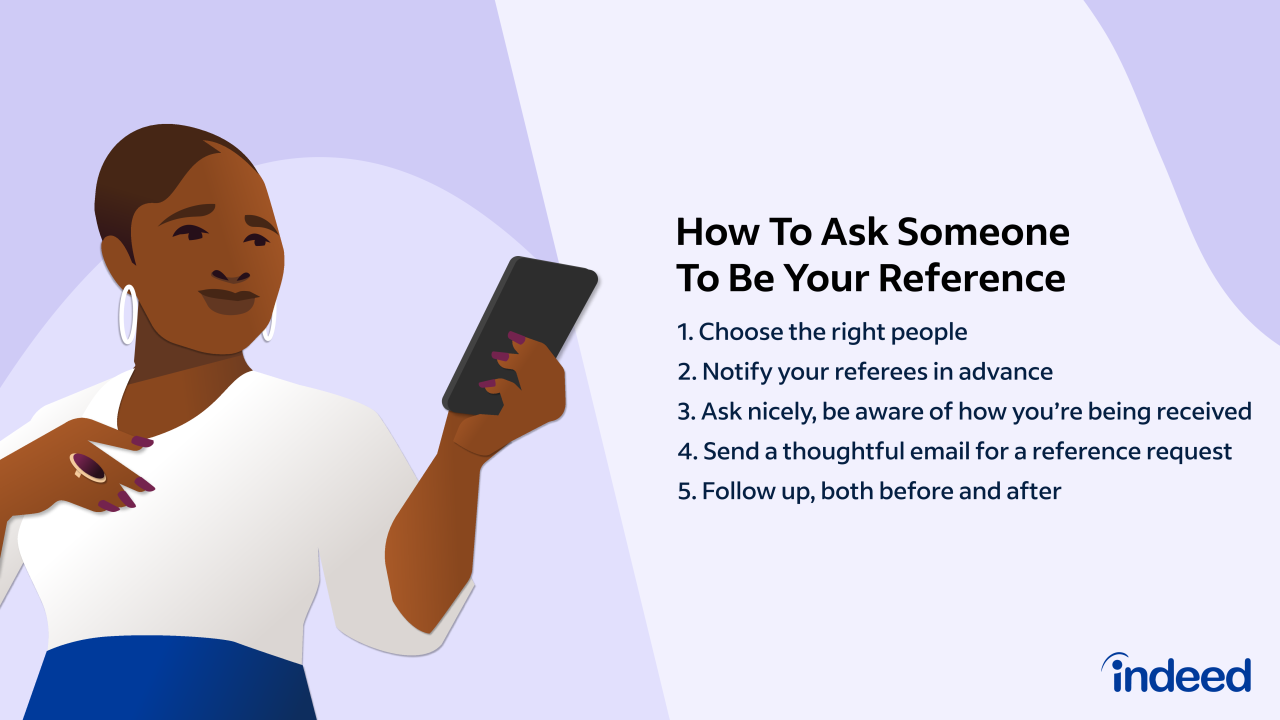
Requesting a credit limit increase can be a strategic move to improve your financial flexibility and potentially enhance your credit utilization ratio. Understanding the underlying principles and the factors that influence a credit card issuer’s decision is crucial for a successful application. This section will delve into why issuers grant these increases, the credit scoring elements involved, and common misconceptions.Credit card issuers evaluate a request for a credit limit increase based on several key indicators of your financial health and responsible credit behavior.
Their primary goal is to assess the risk associated with extending you more credit. By understanding these motivations, you can better position yourself for approval.
Reasons for Granting Credit Limit Increases
Issuers are motivated to increase credit limits when they perceive a borrower as a low-risk, reliable customer who is likely to continue using their card responsibly and profitably. A higher credit limit can also encourage increased spending on their platform, leading to more interest and interchange fee revenue for the issuer.
- Demonstrated Responsible Credit Behavior: Consistently making on-time payments and managing existing credit well signals reliability to the issuer.
- Strong Payment History: A long history of timely payments on your current card and other credit accounts is a significant positive factor.
- Increased Income: A verifiable increase in your income suggests a greater capacity to handle a higher credit limit and make payments.
- Low Credit Utilization: Keeping your current credit balances low relative to your existing limits shows you are not overextended.
- Longevity of Account: Having a well-established account in good standing with the issuer can be advantageous.
- Economic Conditions: In favorable economic climates, issuers may be more willing to extend credit to a broader range of customers.
Credit Scoring Factors Influencing a Credit Limit Review
When you apply for a credit limit increase, credit card issuers will typically review your credit report and conduct a “hard pull” or “soft pull” inquiry. The information gleaned from these checks, along with your existing relationship with the issuer, will heavily influence their decision.
| Factor | Impact | Explanation |
|---|---|---|
| Payment History | High | Late payments, defaults, or bankruptcies significantly decrease the likelihood of an increase. A consistent record of on-time payments is paramount. |
| Credit Utilization Ratio | High | This measures the amount of credit you are currently using compared to your total available credit. Keeping this ratio below 30% is generally recommended, and lower is better for credit limit increase requests. |
| Length of Credit History | Moderate | A longer credit history demonstrates a track record of managing credit over time. Newer credit users may have a harder time proving their creditworthiness. |
| Credit Mix | Low to Moderate | Having a mix of credit types (e.g., credit cards, installment loans) can show you can manage different forms of debt. However, this is less critical than payment history or utilization for a limit increase. |
| New Credit | Moderate | Opening many new credit accounts in a short period can signal risk. A few recent inquiries are generally acceptable, but a large number may raise concerns. |
| Income and Employment Stability | High | Issuers assess your ability to repay. Providing proof of increased income or stable employment strengthens your application. |
Common Misconceptions About Requesting Credit Limit Increases
Many individuals hold beliefs about credit limit increases that are not entirely accurate, potentially leading them to miss opportunities or make decisions that could negatively impact their credit. Dispelling these myths is essential for a strategic approach.
- Misconception: Requesting an increase will always result in a hard credit inquiry. While some issuers perform a hard pull, many now conduct soft pulls for limit increase requests, which do not affect your credit score. It’s advisable to check the issuer’s policy beforehand.
- Misconception: You must wait a specific amount of time after opening an account. While some issuers have minimum waiting periods, many will consider an increase after a few months of responsible use, especially if your financial situation has improved.
- Misconception: A denied request permanently harms your chances. A denial is typically a reflection of your current credit profile. Addressing the reasons for denial and reapplying later, once your credit has improved, is a viable strategy.
- Misconception: A higher credit limit automatically means you should spend more. The goal is to have a higher limit to improve your credit utilization ratio, not to incur more debt. Responsible spending habits remain paramount.
- Misconception: It’s not worth asking if your credit score is not perfect. Even with a good, but not perfect, credit score, a strong payment history and a demonstrated ability to manage credit responsibly can lead to an increase.
Pre-Request Preparation
Before you even consider contacting your credit card issuer to request a higher credit limit, thorough preparation is key to maximizing your chances of success. This involves understanding your financial standing, the timing of your request, and the specific information you’ll need to present. Being well-prepared demonstrates responsibility and a clear understanding of your creditworthiness, which can significantly influence the issuer’s decision.Gathering essential information and strategically timing your request are crucial steps in the pre-request phase.
This diligence ensures you present a compelling case to your credit card provider, increasing the likelihood of a favorable outcome.
Essential Information to Gather
To build a strong case for a credit limit increase, it’s vital to have specific financial details readily available. This information helps both you and the credit card issuer assess your creditworthiness and your ability to manage a higher credit line responsibly.You should gather the following information:
- Current Income: Be prepared to state your current annual or monthly income. This is a primary factor lenders consider when determining your ability to repay debt.
- Employment Stability: Have information about your current employer, including how long you’ve been employed there. Stable employment history suggests consistent income.
- Payment History: While your credit report will show this, it’s good to be aware of your recent payment patterns on the card you’re requesting the increase for, and any other credit accounts.
- Credit Score: Knowing your current credit score provides a benchmark for your creditworthiness. You can typically obtain this from your credit card issuer or through various free credit monitoring services.
- Credit Utilization Ratio: Understand how much of your available credit you are currently using across all your credit cards.
- Reason for Increase: Have a clear and concise reason for needing a higher credit limit, such as upcoming large purchases, increased travel expenses, or a desire to improve your credit utilization ratio.
Optimal Timing for Requesting an Increase
The timing of your credit limit increase request can significantly impact its approval. Lenders prefer to see a consistent and positive credit history before extending more credit.Consider these factors for optimal timing:
- At Least Six Months of Account History: Most issuers require your account to be open and in good standing for at least six months before considering an increase.
- Consistent On-Time Payments: Demonstrating a track record of making all your payments on time is paramount. A history of late payments will likely lead to denial.
- No Recent Credit Inquiries: If you’ve recently applied for a significant amount of new credit (e.g., a mortgage, auto loan, or other credit cards), it’s advisable to wait. Multiple recent inquiries can negatively affect your credit score and may make issuers hesitant to extend more credit.
- Improved Financial Situation: Request an increase after a significant positive change in your financial circumstances, such as a substantial salary increase, paying off a large debt, or a promotion.
- After a Major Purchase or Expense: If you’ve recently made a large purchase and paid it off promptly, or if you anticipate future large expenses that you can manage, this can be a good time.
Assessing Your Current Credit Utilization Ratio
Your credit utilization ratio (CUR) is a critical metric that credit card issuers examine when evaluating your request for a higher credit limit. It represents the amount of credit you are currently using compared to your total available credit. A lower utilization ratio generally indicates better credit management.The formula for calculating your credit utilization ratio is straightforward:
Credit Utilization Ratio = (Total Balances Owed on Credit Cards / Total Credit Limits on Credit Cards) – 100
For example, if you have two credit cards with limits of $5,000 each, and you owe $1,000 on one and $500 on the other, your total credit limit is $10,000, and your total balance is $1,500. Your CUR would be ($1,500 / $10,000) – 100 = 15%.Maintaining a low credit utilization ratio, ideally below 30%, and even better below 10%, is crucial.
A high utilization ratio can signal to lenders that you may be overextended and are at a higher risk of defaulting on payments. Requesting a credit limit increase when your utilization is already high might be counterproductive, as the issuer may perceive it as an attempt to borrow more without improving your repayment behavior. It’s often more strategic to reduce your current balances before asking for a higher limit.
Checklist of Prerequisites for a Successful Request
To ensure your request for a credit limit increase is well-received and has the highest probability of approval, review this checklist of prerequisites. Addressing these points beforehand will present you as a responsible and creditworthy applicant.Before initiating your request, confirm that you meet the following criteria:
- Your credit card account has been open and in good standing for at least six months (or the issuer’s minimum required period).
- You have a consistent history of making all payments on time for this account and all other credit accounts.
- Your credit score is in good to excellent standing (generally above 670, with higher scores offering a better advantage).
- Your current credit utilization ratio across all your credit cards is below 30%.
- You have experienced a positive change in your financial situation, such as an increase in income or a stable employment history.
- You have a clear and justifiable reason for needing a higher credit limit.
- You have gathered all necessary personal and financial information, including your current income and employment details.
Strategic Request Methods

Once you have thoroughly prepared your financial information and understand your credit standing, the next crucial step is to select the most effective method for requesting a credit limit increase. Different channels offer varying levels of directness, convenience, and potential for immediate feedback. Understanding these options will empower you to choose the approach that best suits your personal preferences and circumstances, maximizing your chances of a successful outcome.Choosing the right method can significantly influence how your request is perceived and processed.
While some methods are more automated, others allow for direct interaction, which can be beneficial for clarifying your situation or addressing any immediate concerns the credit issuer might have. Evaluating the potential effectiveness of each channel is key to a strategic approach.
Request Channels
There are several primary channels through which you can formally request a credit limit increase from your credit card issuer. Each channel has its own advantages and disadvantages, and the most effective one can depend on your issuer’s policies and your personal comfort level.
- Online Request: This is often the most convenient and quickest method. Most major credit card issuers provide a dedicated portal or section within their online banking platform for managing account features, including requesting credit limit increases. This method is typically automated and can provide an immediate decision or a notification of review.
- Phone Request: Contacting customer service directly via phone allows for a more personal interaction. You can speak with a representative who can guide you through the process, answer your questions in real-time, and potentially advocate for your request. This method can be particularly effective if you have a strong relationship with your issuer or if your situation requires nuanced explanation.
- Mail Request: While less common and significantly slower, some issuers may still accept written requests via postal mail. This method is generally not recommended for credit limit increases due to the lengthy processing times and lack of immediate feedback. It is typically reserved for more complex account modifications or when other channels are unavailable.
Effectiveness of Request Methods
The potential effectiveness of each request method can vary based on several factors, including the credit issuer’s internal processes, the applicant’s credit profile, and the nature of the request. Generally, online and phone requests tend to be more effective due to their immediacy and the ability to provide real-time information.
| Method | Potential Effectiveness | Pros | Cons |
|---|---|---|---|
| Online | High | Fast, convenient, often automated for quick decisions, easy to track. | May lack personal touch, limited ability to explain complex situations. |
| Phone | High | Direct interaction, opportunity to explain circumstances, can build rapport, immediate clarification. | May involve wait times, representative’s discretion can play a role. |
| Low | Formal documentation, suitable for complex issues (rarely for limit increases). | Slow processing, no immediate feedback, higher chance of being overlooked. |
Online Request Procedure
Submitting an online request for a credit limit increase is a straightforward process designed for user convenience. By following these steps, you can efficiently navigate your issuer’s online platform to make your request.
- Log in to your account: Access your credit card issuer’s official website or mobile app and log in using your username and password.
- Navigate to account services: Look for a section labeled “Account Services,” “Manage Account,” “Card Services,” or similar.
- Find the credit limit increase option: Within the account services menu, search for an option such as “Request Credit Limit Increase,” “Increase Credit Line,” or “Account Modifications.”
- Complete the application form: You will likely be presented with a form that may ask for updated income information, employment details, or confirmation of your current financial situation. Be accurate and honest with all information provided.
- Review and submit: Carefully review all the information you have entered for accuracy before submitting your request.
- Await confirmation: You will typically receive an immediate notification of whether your request has been approved, denied, or is under review. Some issuers may also send a follow-up email or notification.
Phone Conversation Script
When requesting a credit limit increase over the phone, a clear and confident approach can be very effective. This script provides a framework for your conversation, ensuring you convey your request professionally and provide all necessary information. Remember to adapt it to your specific situation and the flow of the conversation. Representative: “Thank you for calling [Credit Card Company Name].
My name is [Representative’s Name]. How can I help you today?” You: “Hello [Representative’s Name]. My name is [Your Name], and I’m calling regarding my credit card account, ending in [Last four digits of your card number]. I’m interested in requesting a higher credit limit.” Representative: “Certainly, [Your Name]. I can assist you with that.
To start, could you please verify your date of birth and the billing zip code associated with your account?” You: “[Provide requested information].” Representative: “Thank you for verifying. And what is your current annual income?” You: “My current annual income is [Your Annual Income]. This has [increased/remained stable] since I last updated my information, and I’m comfortable providing documentation if needed.” Representative: “Thank you.
And have there been any significant changes in your employment or financial situation recently?” You: “Yes, [briefly explain any positive changes, e.g., ‘I’ve recently received a promotion at work,’ or ‘my freelance income has grown significantly,’ or ‘my savings have increased substantially’]. I’ve been a loyal customer with [Credit Card Company Name] for [Number] years, and I’ve always managed my account responsibly, paying my bills on time and in full.” Representative: “I see that here.
And what credit limit are you requesting?” You: “I would like to request a credit limit of [Your Desired Credit Limit]. I believe this increase would be beneficial for [briefly state reason, e.g., ‘managing larger purchases,’ or ‘consolidating expenses,’ or ‘providing more flexibility for travel’]. My spending habits have also evolved, and I’ve been consistently using my card for [mention types of spending] and paying it down.” Representative: “Thank you for that information, [Your Name].
I will now submit this request for review. It may take [timeframe, e.g., ‘a few business days,’ or ‘an immediate decision’] to process. You will be notified of the outcome via [method, e.g., ’email,’ or ‘mail’].” You: “Thank you, [Representative’s Name]. I appreciate your help. Is there anything else I can provide at this time?” Representative: “No, that should be all for now.
Thank you for calling [Credit Card Company Name].” You: “Thank you. Goodbye.”
Crafting Your Case

Effectively presenting your request for a higher credit limit involves clearly articulating your financial responsibility and the justifiable reasons for needing an increased limit. This section focuses on how to build a compelling case that resonates with your credit card issuer, demonstrating your value as a loyal and trustworthy customer. By strategically highlighting your positive credit behavior and future financial plans, you can significantly improve your chances of approval.
To successfully advocate for a credit limit increase, it is crucial to present a clear and comprehensive picture of your creditworthiness and responsible financial habits. This involves not only showcasing your history of timely payments but also providing concrete reasons why a higher limit would be beneficial and manageable for you. The goal is to reassure the issuer that you are a low-risk borrower who will continue to manage their account responsibly, even with a larger credit line.
Articulating Creditworthiness and Responsible Usage
Your creditworthiness is the cornerstone of any successful credit limit increase request. Issuers evaluate your history to determine your reliability in managing debt. Demonstrating responsible usage involves showing that you understand your credit and use it judiciously, making timely payments and keeping balances manageable relative to your current limit.
- Consistent Payment History: Emphasize a long-standing record of making payments on time, or even early. This is the most significant indicator of your reliability.
- Low Credit Utilization Ratio: Highlight that you typically maintain a low credit utilization ratio (the amount of credit you use compared to your total available credit). A ratio below 30% is generally considered good, and a consistently lower ratio (e.g., below 10%) is even more impressive.
- Account Longevity: Mention the duration for which you have held the credit account. A longer history with the issuer often signifies a stable and trustworthy relationship.
- Absence of Delinquencies: Assure the issuer that your account has no history of late payments, defaults, or other negative marks.
Strong Justifications for Needing a Higher Limit
Beyond demonstrating good credit habits, providing specific and well-reasoned justifications for your request adds significant weight to your application. These reasons should illustrate a genuine need and a clear plan for how the increased credit will be managed. Issuers are more inclined to approve requests that align with a customer’s evolving financial life and responsible planning.
- Planned Large Purchases: If you anticipate making a significant purchase in the near future, such as a major appliance, furniture, or home improvement project, a higher credit limit can accommodate this expense without straining your existing credit. For instance, “I am planning to renovate my kitchen in the next three months, which is estimated to cost around $5,000, and I would like my credit limit to reflect this planned expenditure.”
- Emergency Fund Augmentation: A higher credit limit can serve as a supplementary emergency fund, providing a safety net for unforeseen circumstances like medical emergencies or unexpected travel. It’s important to frame this as a proactive measure for financial security. For example, “In addition to my savings, I would like a higher credit limit to act as a contingency for unexpected life events, providing peace of mind.”
- Consolidating Expenses for Rewards: If you strategically use your credit card for everyday expenses to earn rewards or cashback, a higher limit allows you to consolidate more spending onto the card, maximizing your benefits while maintaining responsible usage. “I utilize my card for daily expenses to maximize my rewards program, and a higher limit would allow me to consolidate more of my spending, increasing my reward accumulation.”
- Travel Expenses: For individuals who travel frequently, a higher credit limit can be beneficial for covering travel bookings, accommodation, and on-the-go expenses, especially when aiming to earn travel-specific rewards.
Highlighting a Consistent Payment History
Your payment history is arguably the most critical factor in any credit assessment. A consistent record of on-time payments signals to lenders that you are a reliable borrower who honors their financial obligations. It is essential to explicitly draw attention to this aspect of your financial behavior.
When communicating with your issuer, make a point of stating your commitment to timely payments. For example, you can say, “I have consistently paid my bills on time for the past [Number] years, demonstrating my commitment to responsible credit management.” This direct affirmation, backed by your account’s track record, reinforces your reliability.
“A consistent payment history is the strongest indicator of your creditworthiness and your ability to manage increased credit responsibly.”
Organizing Talking Points to Demonstrate Value as a Customer
To effectively present your case, it’s beneficial to organize your key points logically, ensuring that your value as a customer is clearly communicated. This structured approach helps the issuer understand your request from multiple positive angles, reinforcing their decision to grant you a higher limit.
Consider structuring your conversation or written request around the following themes:
- Loyalty and Longevity: “I have been a loyal customer of [Issuer Name] for [Number] years and have always valued the services provided.”
- Responsible Financial Behavior: “Throughout my time with you, I have maintained an excellent payment record, consistently paying my balance in full or making timely payments, and have kept my credit utilization low.”
- Future Financial Goals: “I am planning [mention planned purchase or financial goal, e.g., home renovation, significant travel] and believe a higher credit limit would greatly assist me in achieving this responsibly.”
- Mutual Benefit: “Increasing my credit limit would allow me to utilize your card more effectively for my planned expenditures, which in turn would lead to increased spending and potential revenue for [Issuer Name], while I continue to manage my account with the same diligence.”
- Commitment to Continued Responsibility: “I am confident in my ability to manage a higher credit limit responsibly and will continue to prioritize timely payments and maintain a healthy credit utilization ratio.”
Navigating the Issuer’s Response

Once you’ve submitted your request for a credit limit increase, the next phase involves understanding and responding to the credit card issuer’s decision. This process can vary, but typically involves a review period followed by communication of their outcome. Being prepared for different scenarios will allow you to react effectively and strategically, regardless of the initial decision.The issuer’s response is a crucial point in your credit limit increase journey.
It’s essential to understand what each outcome signifies and how to proceed. Whether your request is met with full approval, a partial increase, or a denial, there are specific steps and considerations that will help you manage the situation and potentially achieve your goal in the future.
Understanding Potential Outcomes
After you submit your request, the credit card issuer will review your account and credit profile. This review typically involves assessing your payment history, current credit utilization, income verification (if provided), and overall creditworthiness. The outcome of this review can generally fall into one of three categories: full approval, partial approval, or denial. Each of these outcomes has different implications for your credit limit and future strategies.The time it takes for an issuer to respond can vary significantly.
Some may provide an instant decision online or via a quick phone call, while others may take several business days or even a couple of weeks to complete their review. It’s advisable to note down the date of your request and any reference numbers provided.
Interpreting the Issuer’s Decision
Interpreting the issuer’s decision accurately is key to planning your next steps. Each outcome provides valuable information about your current standing with the issuer and your credit profile.
- Full Approval: This is the most favorable outcome, where the issuer grants the exact credit limit increase you requested. This signifies that your credit profile and financial standing meet the issuer’s criteria for the higher limit.
- Partial Approval: In this scenario, the issuer approves a credit limit increase, but it is less than what you originally requested. This often means you are a good candidate for an increase, but perhaps not for the full amount, due to certain factors the issuer identified. It’s still a positive step and can be a foundation for future increases.
- Denial: This means your request for a credit limit increase has been rejected. A denial doesn’t necessarily mean you are a poor credit risk, but rather that based on the issuer’s current policies and your profile at the time of the request, they could not approve it. It is important to understand the reason for denial if provided.
Responding to a Denial
Receiving a denial can be discouraging, but it is a common occurrence and not a definitive end to your pursuit of a higher credit limit. Understanding the reasons behind the denial and strategizing for future attempts is crucial.The issuer may provide a specific reason for the denial, often communicated through a letter or an online notification. Common reasons include:
- High credit utilization on other accounts.
- A recent history of late payments or defaults.
- Insufficient credit history length.
- A high number of recent credit inquiries.
- Changes in income or employment status.
- The issuer’s internal lending policies.
It is important to note that if the denial is due to a factor that can be improved, such as high credit utilization, addressing that issue can significantly increase your chances of approval in the future.When considering a re-application after a denial, it is generally recommended to wait for a period of time. This allows you to address any identified issues and for those improvements to be reflected in your credit report.
A common recommendation is to wait at least six months before reapplying for a credit limit increase after a denial.
This waiting period allows you to implement necessary changes to your credit behavior and for those positive changes to become evident to the credit bureaus and the issuer.
Following Up on Pending Decisions
If your request is still under review and a decision has not yet been communicated within the expected timeframe, a polite follow-up can be beneficial. This demonstrates your continued interest and can sometimes expedite the process.When following up, it is important to be professional and provide all necessary account information to the issuer.
- Check Online Status: Many issuers allow you to check the status of your request online through your account portal. This is often the quickest and most convenient first step.
- Contact Customer Service: If an online status check is not available or the status remains unchanged after a reasonable period, contact the issuer’s customer service department. Be prepared to provide your account number and any reference number associated with your request.
- Inquire About Timeline: When you speak with a representative, politely inquire about the expected timeline for a decision. Ask if there is any further information required from your end.
- Document the Interaction: Make a note of the date and time of your call, the name of the representative you spoke with, and a summary of the conversation. This can be helpful for future reference.
Avoid persistent or demanding communication, as this can be counterproductive. A single, well-timed follow-up is usually sufficient.
Post-Increase Management
Securing a higher credit limit is a significant achievement, but it marks the beginning of a new phase of responsible financial stewardship. Effectively managing your increased credit limit is crucial to harness its benefits without falling into debt traps. This involves mindful spending, consistent monitoring, and strategic utilization to further enhance your creditworthiness and achieve your financial aspirations.The successful integration of a higher credit limit into your financial life hinges on a proactive and disciplined approach.
It’s not merely about having access to more funds, but about demonstrating the capacity to manage that access wisely. This section Artikels the key strategies for ensuring your credit limit increase contributes positively to your financial well-being.
Responsible Credit Limit Utilization
Maintaining responsible spending habits is paramount when your credit limit increases. The temptation to spend more can be strong, but it’s essential to remember that a higher limit does not equate to additional income. Overspending can quickly lead to accumulating debt, high interest charges, and a negative impact on your credit score, negating the benefits of the increase.Strategies to avoid overspending and maintain a healthy credit utilization ratio are vital.
A good credit utilization ratio, generally considered to be below 30%, indicates to lenders that you are not relying heavily on credit. Keeping balances low demonstrates financial discipline and can positively influence your credit score.
- Budgeting with the New Limit: Integrate your increased credit limit into your existing budget. Allocate specific spending categories and set sub-limits within your overall budget to prevent exceeding your comfort zone.
- Mindful Purchasing Decisions: Before making a purchase, especially a large one, consider whether it aligns with your financial goals and if you can comfortably repay it. Avoid impulse buying.
- Prioritize Needs Over Wants: Distinguish between essential expenses and discretionary spending. Use the increased limit judiciously for planned expenses rather than spontaneous purchases.
- Regularly Monitor Spending: Actively track your credit card spending through your issuer’s online portal or mobile app. This provides real-time awareness of your balance and helps prevent surprises.
Maintaining a Healthy Credit Utilization Ratio
A healthy credit utilization ratio is a cornerstone of good credit health. It reflects how much of your available credit you are using. Lenders view a low utilization ratio favorably, as it suggests you are not overextended and can manage your credit responsibly.
Credit Utilization Ratio = (Total Balances / Total Credit Limits) – 100
Keeping this ratio low, ideally below 30%, is a key indicator of financial responsibility. Even with a higher limit, if you significantly increase your spending, your utilization ratio can still climb.
- Pay Down Balances Regularly: Make payments beyond the minimum due whenever possible. This not only reduces your balance faster but also keeps your utilization ratio low.
- Strategic Payment Timing: Consider making multiple payments throughout the billing cycle, especially before the statement closing date. This can reduce the reported balance to credit bureaus.
- Avoid Maxing Out Cards: Never approach your credit limit, even if you have the capacity to do so. Maxing out a card can severely damage your credit score.
- Diversify Credit Usage (If Applicable): If you have multiple credit cards, distribute your spending across them rather than concentrating it on one. This can help keep the utilization ratio low on each individual card.
Leveraging the Higher Limit for Financial Goals
A higher credit limit can be a powerful tool for achieving significant financial objectives when used strategically. It can provide the necessary flexibility and purchasing power for planned investments, major purchases, or emergency preparedness.Methods for leveraging the higher limit for financial goals include using it for planned expenditures that align with your long-term financial strategy. This could involve consolidating high-interest debt onto a lower-interest credit card with a higher limit (if a balance transfer offer is available and beneficial), or making a large planned purchase that offers a significant discount when paid with credit.
- Financing Planned Large Purchases: For significant items like home appliances, electronics, or even a down payment on a vehicle (where credit cards are accepted and offer rewards), a higher limit can facilitate the purchase, especially if you have a plan to pay it off quickly.
- Taking Advantage of Rewards Programs: With a higher limit, you may be able to spend more on purchases that align with your credit card’s rewards program, accelerating your accumulation of points, miles, or cashback. Ensure this spending is within your budget.
- Building Emergency Funds: While not ideal for long-term borrowing, a higher credit limit can act as a temporary safety net for unexpected emergencies, providing immediate access to funds if your emergency savings are depleted. The key is to repay these funds as quickly as possible.
- Strategic Investments (with Caution): In some limited scenarios, a higher credit limit might be considered for short-term, high-return investment opportunities, provided there is a clear repayment plan and minimal risk. This approach requires significant financial expertise and risk tolerance.
Ongoing Credit Review and Future Requests
Credit management is not a one-time task. Regularly reviewing your credit accounts and credit report is essential for maintaining financial health and identifying opportunities for further credit limit increases. A consistent, responsible usage pattern signals to your issuer that you are a reliable customer.A plan for ongoing credit limit review and potential future requests involves periodic assessment of your spending habits, payment history, and financial needs.
By demonstrating consistent responsible behavior, you build a stronger case for future credit limit adjustments.
- Regular Credit Report Checks: Obtain your free credit reports annually from the major credit bureaus. Review them for accuracy and to understand your overall credit profile.
- Annual Credit Limit Review: Once a year, or if your financial circumstances change significantly, review your credit card statements and your credit utilization. Assess if your current limit is still appropriate for your spending needs and financial goals.
- Monitor Issuer Communications: Pay attention to any communications from your credit card issuer regarding your account. They may offer automatic credit limit increases or provide feedback on your account management.
- Timing Future Requests: If you decide to request another increase, wait at least six to twelve months after your last successful request, provided you have continued to manage your account responsibly and your credit score has improved.
Concluding Remarks
By approaching your credit limit increase request with thorough preparation and a strategic mindset, you significantly improve your chances of success. Understanding the issuer’s criteria, timing your request wisely, and clearly articulating your financial responsibility are key elements. Remember, managing your credit effectively after an increase is just as important as obtaining it, ensuring you leverage this financial tool for your long-term benefit.