With How to Leverage a Credit Union Membership for Better Loans at the forefront, this paragraph opens a window to an amazing start and intrigue, inviting readers to embark on a storytelling formal and friendly language style filled with unexpected twists and insights. Understanding the distinct advantages offered by credit unions compared to traditional banks can unlock a wealth of opportunities for securing more favorable loan terms and conditions.
This exploration will guide you through the entire process, from understanding membership benefits to building lasting financial relationships.
We will delve into the core benefits of credit union membership, clarifying how your status can directly influence loan eligibility and the terms you receive. From the array of loan products typically available to dispelling common myths about their application processes, this guide aims to provide a comprehensive understanding. Furthermore, we will Artikel the straightforward steps to becoming a member and applying for a loan, emphasizing the role of your credit history and the unique customization options membership provides.
Understanding Credit Union Membership Benefits for Loans
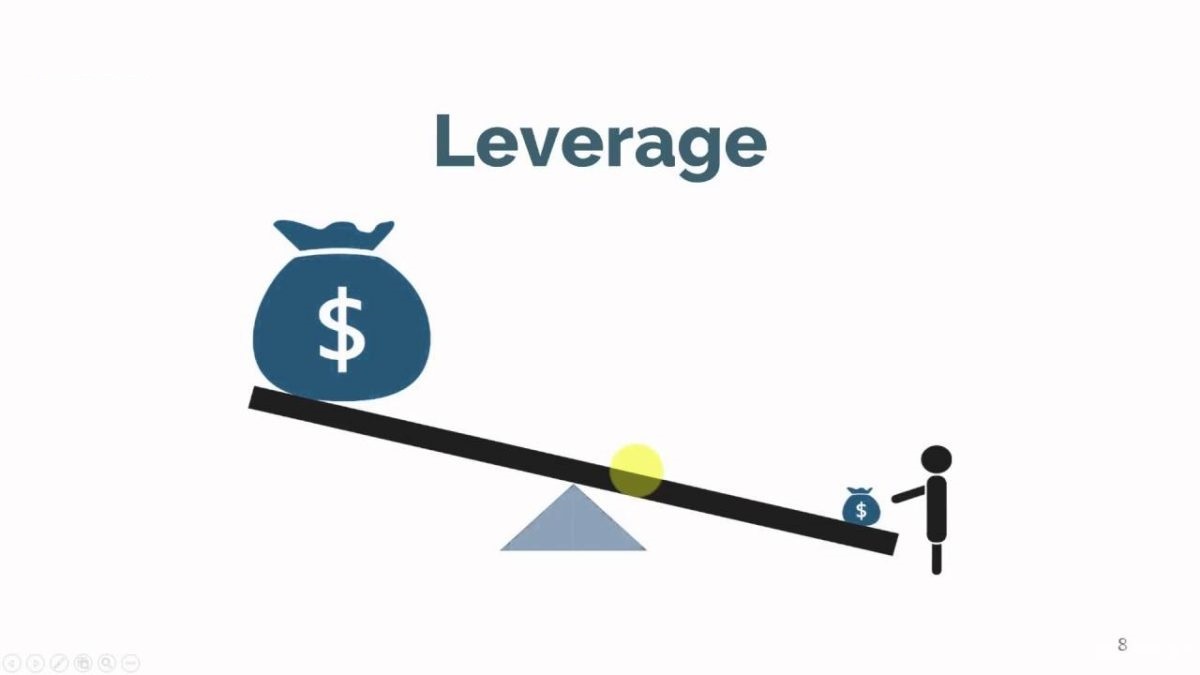
Credit unions offer a distinct advantage for individuals seeking better loan opportunities. As not-for-profit financial cooperatives, they prioritize member benefits over shareholder profits, translating into more favorable loan terms and rates. This member-centric approach fundamentally shapes how credit unions approach lending, often making them a more accessible and cost-effective option compared to traditional banks.Membership status at a credit union is not merely a formality; it directly impacts your standing and the benefits you receive.
Unlike banks where you are a customer, at a credit union, you are a part-owner. This ownership stake grants you access to a unique set of advantages, including potentially lower interest rates on loans, higher dividend rates on savings, and reduced fees. The credit union’s commitment to its members means they are more likely to work with you to find solutions, even if your credit history isn’t perfect.
Core Advantages of Credit Union Membership for Loans
The primary distinction between credit unions and traditional banks lies in their ownership structure and operational philosophy. Banks are typically for-profit entities owned by shareholders, whose primary goal is to maximize profits. This often leads to higher fees and interest rates to achieve those profit margins. Credit unions, conversely, are owned by their members, who are also the customers. Any profits generated are reinvested back into the credit union, benefiting the members through better rates and services.
This cooperative model fosters a more personalized and supportive lending environment.
Influence of Membership Status on Loan Eligibility and Terms
Your status as a member is a cornerstone of your loan eligibility and the terms you’ll receive at a credit union. Membership often signifies a shared commitment to the cooperative’s success, which can lead to more flexible underwriting standards. For instance, a credit union might be more willing to consider factors beyond a strict credit score, such as your savings history with them or your relationship with the credit union.
This can be particularly beneficial for individuals with less-than-ideal credit or those new to borrowing. The terms themselves, including interest rates and repayment periods, are often more competitive because the credit union’s profit motive is secondary to serving its members.
Typical Range of Loan Products Offered by Credit Unions
Credit unions offer a comprehensive suite of loan products designed to meet the diverse financial needs of their members. These offerings are generally comparable to those found at larger financial institutions, but often with more member-friendly terms.
- Auto Loans: Competitive rates for new and used vehicles, often with flexible financing options.
- Personal Loans: Unsecured loans for various purposes, such as debt consolidation, home improvements, or unexpected expenses.
- Mortgages and Home Equity Loans: Financing for purchasing a home or leveraging existing home equity for other needs.
- Student Loans: Assistance for higher education costs, often with favorable repayment plans.
- Credit Cards: A variety of credit card options, including those with rewards programs and low introductory APRs.
- Business Loans: For small business owners who are members, credit unions can provide capital for startups, expansion, or operational needs.
Common Misconceptions About Credit Union Loan Processes
Despite their numerous benefits, several misconceptions can deter individuals from exploring credit union loans. Understanding these can help potential borrowers make more informed decisions.
- Limited Product Offerings: A common belief is that credit unions offer fewer loan products than banks. In reality, most credit unions provide a full spectrum of lending services, from auto and personal loans to mortgages and business financing.
- Strict Membership Requirements: While credit unions have membership eligibility criteria, they are often broader than perceived. Many credit unions serve specific geographic areas, employers, or affinity groups, and membership can often be obtained through a small donation to an affiliated charity.
- Difficult Application Process: Some assume that applying for a loan at a credit union is more complicated than at a bank. In practice, the application process is often streamlined and more personalized, with loan officers focused on understanding your individual circumstances.
- Lower Technology Adoption: While historically some credit unions might have lagged in digital offerings, most modern credit unions now provide robust online banking, mobile apps, and digital loan application portals, rivaling traditional banks.
- Only for Low-Income Individuals: Credit unions serve a diverse membership base across all income levels. Their focus on member benefit means competitive rates and services are available to a wide range of individuals, not just those with lower incomes.
Eligibility and Application Process at Credit Unions
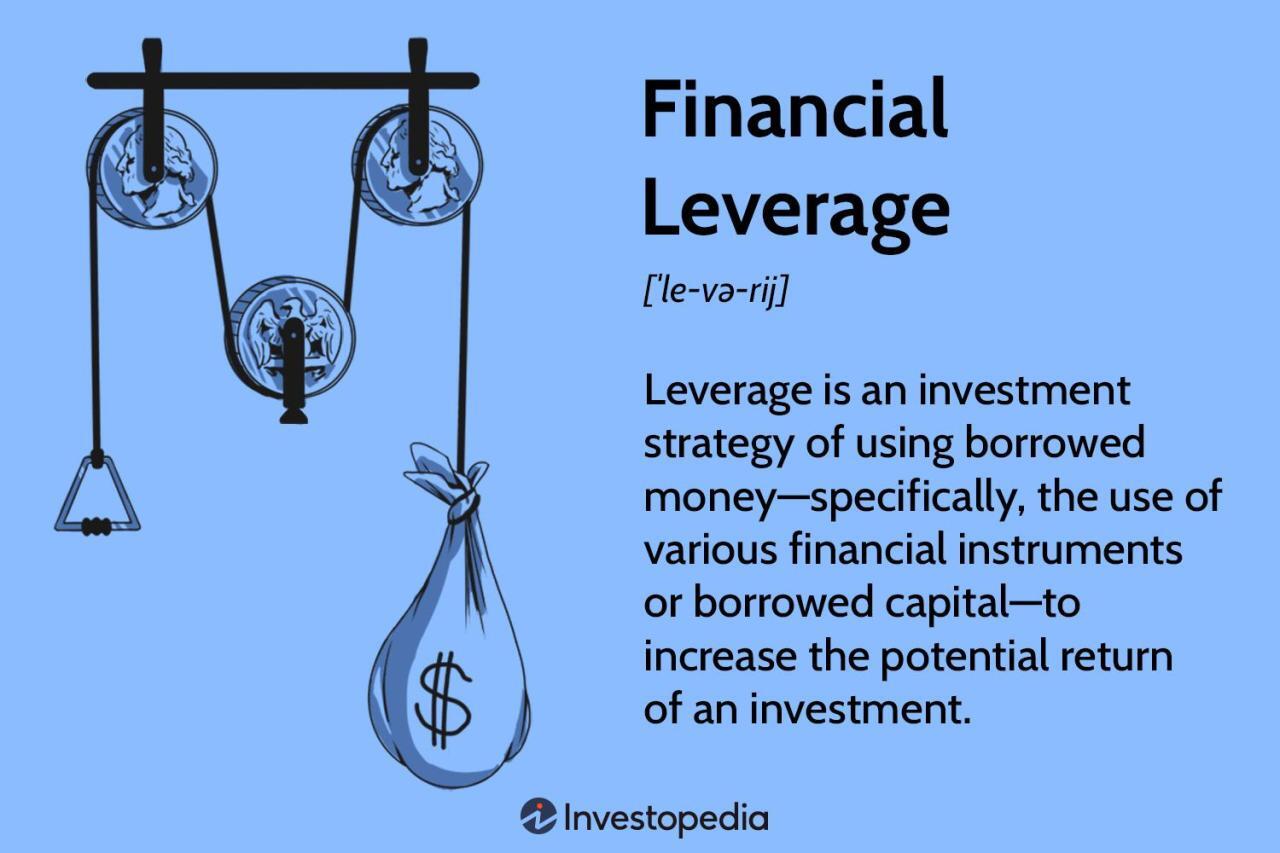
Credit unions are member-owned financial cooperatives, and this member-centric approach extends to their loan application processes. Understanding how to become a member and navigate the application journey is key to unlocking potentially better loan terms. This section will guide you through the essential steps involved.Credit union membership is typically open to individuals who share a common bond, such as living, working, worshipping, or attending school in a particular geographic area, or being employed by a specific organization.
The process is designed to be straightforward and welcoming, aiming to serve its community.
Membership Requirements and Joining a Credit Union
To become a member of a credit union, you generally need to meet specific eligibility criteria defined by the credit union’s charter. Once you confirm your eligibility, the joining process is usually simple and involves opening a share savings account with a nominal deposit.The steps to join a credit union typically include:
- Verify Eligibility: Research local credit unions and check their membership requirements. This often involves confirming your geographic location, employer, or affiliation with a specific group.
- Complete a Membership Application: You will need to fill out a membership application form, which will ask for basic personal information.
- Open a Share Savings Account: A minimum deposit, often as low as $5 or $25, is required to open a savings account. This deposit establishes your ownership stake in the credit union.
- Provide Identification: You will need to present valid identification, such as a driver’s license or passport.
Documentation for Credit Union Loan Applications
When applying for a loan at a credit union, similar to traditional banks, you will need to provide documentation to verify your identity, income, and creditworthiness. Having these documents ready can significantly expedite the approval process.The typical documentation required for a credit union loan application includes:
- Proof of Identity: A valid government-issued photo ID (e.g., driver’s license, passport).
- Proof of Address: Utility bills, lease agreements, or bank statements showing your current address.
- Proof of Income: Recent pay stubs, W-2 forms, tax returns, or other evidence of your income. For self-employed individuals, this might include profit and loss statements.
- Employment Verification: Contact information for your employer or proof of employment.
- Bank Statements: Several months of bank statements may be requested to assess your financial habits and cash flow.
- Information on Existing Debts: Details about any outstanding loans, credit card balances, or other financial obligations.
Step-by-Step Loan Application Process at a Credit Union
Applying for a loan at a credit union is a structured process designed to gather the necessary information for assessment. While specific steps may vary slightly between credit unions, the general flow remains consistent.Here is a step-by-step guide on how to apply for a loan at a credit union:
- Determine Your Loan Needs: Clearly define the loan amount you require and the purpose of the loan (e.g., car purchase, home renovation, personal expenses).
- Become a Member (if not already): Complete the membership process as Artikeld above.
- Gather Required Documentation: Collect all necessary personal, income, and employment verification documents.
- Complete the Loan Application: You can usually apply online, in person at a branch, or over the phone. The application will request detailed information about your finances and the loan itself.
- Submit Application and Documents: Submit your completed application along with all supporting documentation.
- Loan Underwriting and Approval: The credit union will review your application and documents. They will assess your creditworthiness and ability to repay the loan.
- Loan Offer and Acceptance: If approved, you will receive a loan offer detailing the terms, interest rate, repayment period, and any fees. You can then choose to accept or decline the offer.
- Loan Disbursement: Upon acceptance, the funds will be disbursed to you, typically via direct deposit or check.
The Role of Credit History in Credit Union Loan Approval
Your credit history plays a pivotal role in the credit union loan approval process, serving as a primary indicator of your financial responsibility and ability to manage debt. A strong credit history can lead to more favorable loan terms, including lower interest rates.Credit unions, like other lenders, use credit reports and credit scores to evaluate risk. A higher credit score generally signifies a lower risk to the lender, making you a more attractive borrower.
A strong credit history demonstrates a consistent pattern of responsible borrowing and repayment, which is highly valued by credit unions when considering loan applications.
When assessing your credit history, credit unions will typically look at:
- Payment History: Whether you consistently pay your bills on time.
- Credit Utilization: The amount of credit you are using compared to your total available credit.
- Length of Credit History: How long you have been managing credit accounts.
- Credit Mix: The variety of credit accounts you have (e.g., credit cards, installment loans).
- New Credit: How many new credit accounts you have recently opened.
While a lower credit score might present challenges, credit unions are often known for their willingness to work with members who may have less-than-perfect credit, especially if they can demonstrate a commitment to improving their financial habits and have a solid relationship with the credit union.
Loan Types and Customization Through Membership
Credit union membership often provides access to a broader spectrum of loan products and a greater degree of flexibility compared to traditional banks. This tailored approach can be particularly beneficial for members with diverse financial needs, from purchasing a home to managing unexpected expenses.Membership at a credit union signifies a shared ownership stake, which translates into a member-centric approach to lending.
This means that loan products are designed with the members’ best interests in mind, often leading to more competitive rates and terms. The cooperative structure allows credit unions to prioritize member benefits over profit maximization, a key differentiator in the lending landscape.
Specialized Loan Products Available to Members
Credit unions are known for offering a variety of loan types that might not be readily available at larger financial institutions. These can include loans specifically designed for unique situations or for particular member demographics.Examples of specialized loan products include:
- Share Secured Loans: These loans use your savings account or certificate of deposit (CD) as collateral, often resulting in lower interest rates.
- Credit Builder Loans: Designed to help members establish or rebuild their credit history, these loans disburse funds only after the loan is repaid.
- Debt Consolidation Loans: These loans can help members combine multiple high-interest debts into a single, more manageable payment.
- Co-signer Loans: For members who may not qualify on their own, credit unions may offer options for co-signed loans.
- Specific Purpose Loans: Some credit unions offer loans for unique purposes such as pet adoption, education expenses, or even small business startup costs.
Interest Rates and Fees: A Member Advantage
A significant advantage of credit union membership often lies in their competitive interest rates and lower fees. Because credit unions are not-for-profit organizations, they can often pass savings on to their members.When comparing common loan types, such as auto loans, personal loans, and mortgages, credit unions typically offer lower Annual Percentage Rates (APRs) than national banks or online lenders. This can translate into substantial savings over the life of the loan.
Furthermore, fees associated with loans, such as origination fees, late fees, or prepayment penalties, are often reduced or waived for credit union members.For instance, a typical auto loan from a large bank might have an APR of 7.5%, while a credit union could offer a comparable loan at 6.0% for a member. Over a five-year loan term, this difference can save a borrower hundreds or even thousands of dollars in interest.
Flexible Repayment Terms Through Membership
Credit unions often demonstrate greater flexibility in repayment terms, especially for their members. This flexibility can be invaluable when unexpected financial circumstances arise.Consider a scenario where a member experiences a temporary job loss. A traditional lender might be rigid with their repayment schedule, potentially leading to late fees or even default. However, a credit union, recognizing the member’s long-standing relationship and their status as an owner, might be more willing to:
- Temporarily defer payments.
- Adjust the payment schedule to a more manageable amount.
- Waive late fees during the hardship period.
- Offer a loan modification to extend the repayment term.
This personalized approach, rooted in the member-owner relationship, can prevent a short-term financial setback from becoming a long-term credit crisis.
Advantages of Secured Versus Unsecured Loans at a Credit Union
Credit unions offer both secured and unsecured loans, each with its own set of advantages depending on a member’s financial situation and borrowing needs. Secured Loans:These loans are backed by collateral, such as a car, home, or savings account. The primary advantage for members is typically a lower interest rate due to the reduced risk for the credit union.
- Lower Interest Rates: Collateral reduces risk, allowing for more favorable APRs.
- Higher Loan Amounts: Secured loans often allow for larger borrowing limits.
- Easier Approval: For members with less-than-perfect credit, collateral can significantly improve approval chances.
An example is a share-secured loan where a member borrows against their own savings. The interest rate might be as low as 2-3% above the rate earned on the savings, offering a very cost-effective way to borrow. Unsecured Loans:These loans do not require collateral. They are typically based on the borrower’s creditworthiness and income.
- No Collateral Risk: Members do not risk losing an asset if they default.
- Faster Processing: Unsecured loans can sometimes be processed more quickly as there is no collateral to appraise.
- Flexibility: Often used for personal expenses, debt consolidation, or emergencies where collateral is not available or desired.
While interest rates on unsecured loans are generally higher than secured loans, credit unions often provide competitive rates for members, especially for personal loans or lines of credit, due to their commitment to member well-being. For instance, a credit union might offer a personal loan with an APR ranging from 8% to 15%, depending on credit history, which can still be more attractive than rates offered by other lenders.
Leveraging Membership for Favorable Loan Terms

Your credit union membership is a powerful tool that can unlock more advantageous loan terms than you might find elsewhere. Beyond simply accessing loans, your active participation and loyalty can translate into tangible financial benefits that reduce your borrowing costs and improve your overall loan experience. Understanding how to harness these membership perks is key to securing the best possible deal.Credit unions operate on a not-for-profit basis, meaning profits are returned to members.
This fundamental difference in structure allows for a more member-centric approach to lending, where your financial well-being is prioritized. By understanding the unique ways credit unions share their success with their members, you can significantly enhance the affordability and flexibility of your loans.
Impact of Credit Union Dividends or Patronage Refunds on Loan Costs
Many credit unions distribute their profits back to members in the form of dividends or patronage refunds. These distributions can directly or indirectly lower the cost of your loans. When these refunds are applied to outstanding loan balances, they effectively reduce the principal amount owed, thereby decreasing the total interest you will pay over the life of the loan. In some cases, these refunds might even be issued as cash payments, which can be used to offset loan origination fees or other associated costs.Consider a scenario where a credit union member has a $10,000 personal loan with an 8% interest rate.
If the credit union issues a 1% patronage refund on the member’s total deposits and loan balances, and the member has $5,000 in deposits and the $10,000 loan, they might receive a refund of $150 (1% of $15,000). If this refund is applied directly to the loan principal, the outstanding balance reduces to $9,850, saving the member interest over time.
Strategies for Negotiating Loan Terms with a Credit Union Representative
While credit unions are generally known for their competitive rates, your membership status and proactive engagement can empower you to negotiate even more favorable terms. Building a strong relationship with your credit union, understanding your financial history, and being prepared can lead to better outcomes.When discussing loan terms, remember that credit unions value their member relationships. Demonstrating your loyalty through consistent banking, active participation in credit union activities, and a good financial track record can provide leverage.
Don’t hesitate to ask about potential discounts or special offers available to long-term or highly engaged members. Highlighting your commitment to the credit union can encourage them to offer you their best possible terms.
Questions to Ask About Loan Options and Benefits
To ensure you are fully leveraging your membership for the best loan, it is essential to ask targeted questions. This preparation will help you understand all available options and how your membership status can enhance your loan.To make the most of your discussions with a credit union representative, consider asking the following questions:
- What are the current interest rates for the loan type I am interested in, and are there any member-exclusive rate discounts available?
- Can my patronage refunds or dividends be applied directly to my loan principal or interest payments to reduce my overall borrowing cost?
- Are there any special loan programs or promotions for members that offer more flexible terms, lower fees, or extended repayment periods?
- What are the criteria for qualifying for the best possible loan terms, and how does my membership history and financial behavior with the credit union factor into this?
- Are there opportunities to refinance existing loans with the credit union at a better rate or with more favorable terms due to my membership?
- What are the specific benefits of my membership that can be applied to loan applications, such as lower origination fees or waived application costs?
- How does the credit union’s commitment to member service translate into support during the loan application and repayment process?
Improving Loan Prospects Through Participation in Credit Union Programs
Actively participating in credit union programs and services beyond just holding accounts can significantly improve your loan prospects and potentially lead to better terms. These programs are designed to support member financial growth and stability, which in turn makes you a more attractive borrower.Credit unions often offer financial literacy workshops, credit counseling services, and savings programs. Engaging with these resources can help you improve your credit score, manage your finances more effectively, and demonstrate to the credit union that you are a responsible borrower.
For instance, completing a credit-building workshop and showing a consistent savings habit can positively influence a loan officer’s decision and may lead to a lower interest rate offer.Furthermore, utilizing other credit union services, such as setting up direct deposit for your paycheck or enrolling in automatic bill payments, can strengthen your relationship with the institution and provide them with a clearer picture of your financial reliability.
This consistent engagement signals a strong commitment to the credit union and can be a deciding factor when terms are being negotiated.
Specific Loan Scenarios and Membership Advantages
Credit union membership can unlock distinct advantages across a variety of loan needs, offering tailored solutions that often surpass those available to non-members. This section explores how your membership can translate into tangible benefits for common financial goals, from purchasing your first home to managing personal expenses.Credit unions are member-owned cooperatives, which means their primary focus is on serving their members’ financial well-being rather than maximizing profits for external shareholders.
This fundamental difference often allows them to offer more competitive rates, lower fees, and greater flexibility on loan products.
First-Time Homebuyer Benefits
For individuals embarking on their homeownership journey, credit union membership can significantly ease the path. These institutions understand the unique challenges faced by first-time buyers and often provide specialized programs and support.Membership benefits for first-time homebuyers can include:
- Lower Interest Rates: Credit unions frequently offer slightly lower interest rates on mortgages for their members, which can result in substantial savings over the life of the loan.
- Reduced Fees: Origination fees, appraisal fees, and other closing costs may be waived or reduced for members, making the upfront expense of buying a home more manageable.
- Flexible Down Payment Options: Some credit unions offer programs with lower down payment requirements or even down payment assistance grants specifically for first-time homebuyers who are members.
- Personalized Guidance: Members often benefit from dedicated loan officers who can provide one-on-one guidance through the complex mortgage application process, offering expert advice and support.
- Educational Resources: Many credit unions provide workshops, webinars, and online resources to educate first-time buyers about the home-buying process, from budgeting to understanding loan terms.
Auto Loan Advantages for Members
Securing an auto loan is a common financial goal, and credit union membership can provide a distinct edge in obtaining favorable terms. The member-centric approach of credit unions often translates into better deals on car financing.Members can typically expect the following advantages with auto loans:
- Competitive Interest Rates: Credit unions often boast lower Annual Percentage Rates (APRs) on auto loans compared to traditional banks. This is because they can operate with lower overhead and prioritize member savings. For instance, a 0.50% lower interest rate on a $25,000 loan over five years can save a member over $700 in interest.
- Pre-Approval Convenience: Members can often secure pre-approved auto loans quickly, empowering them with a clear budget before visiting dealerships and strengthening their negotiation position.
- Refinancing Options: Existing auto loans, even those obtained elsewhere, can sometimes be refinanced at a credit union for a lower rate and monthly payment, provided the borrower meets membership and creditworthiness criteria.
- New and Used Vehicle Loans: Credit unions offer financing for both new and used vehicles, often with terms that are more accommodating than those found at large national lenders.
Personal Loan Options for Diverse Credit Profiles
Personal loans offer flexibility for various needs, from debt consolidation to unexpected expenses. Credit union membership can be particularly beneficial for individuals with less-than-perfect credit histories.Credit unions often provide a more understanding and personalized approach to personal loans:
- Inclusive Lending Practices: While credit score is a factor, credit unions may consider a broader range of information, including your relationship with the credit union, employment history, and ability to repay, when evaluating personal loan applications for members.
- Potentially Lower Rates for Good Credit: Members with strong credit profiles can still access very competitive interest rates, often lower than what larger banks might offer.
- Secured and Unsecured Options: Depending on the credit union and the member’s profile, both secured (backed by collateral) and unsecured personal loans may be available, with secured options often carrying lower interest rates.
- Flexible Repayment Terms: Credit unions may offer more adaptable repayment schedules to accommodate a member’s financial situation.
Comparative Table of Loan Features
The advantages of credit union membership for loans become even clearer when directly compared to typical offerings from traditional banks. This table highlights the key differences members can often experience.
| Loan Feature | Credit Union Member | Non-Member (Typical Bank) |
|---|---|---|
| Interest Rate | Potentially Lower | Standard Market Rate |
| Fees | Fewer/Lower | Standard Fees |
| Flexibility | Higher (e.g., in underwriting, repayment) | Standard Terms |
| Customer Service | Personalized, Relationship-focused | Varies, can be less personal |
| Loan Options | Often tailored to member needs | Standard product offerings |
| Underwriting Approach | Holistic view of member relationship | Primarily credit score and financial metrics |
Building a Stronger Financial Relationship Through Membership

Your credit union membership is more than just an account; it’s a gateway to a deeper, more beneficial financial partnership. By actively participating in your credit union’s offerings and fostering strong relationships, you can significantly enhance your access to favorable loan terms and achieve your financial goals more effectively. This section explores how to cultivate this valuable relationship for long-term mutual benefit.Consistent and engaged use of your credit union’s services lays a robust foundation for future loan opportunities.
When you demonstrate a commitment to your financial institution, you build a history of trust and reliability. This history is invaluable when you approach the credit union for loans, as it provides them with confidence in your ability to manage and repay debt. Think of it as building credit within your credit union, which can often translate into better rates and terms than you might find elsewhere.
Enhancing Loan Opportunities Through Consistent Service Use
Actively utilizing a variety of credit union services signals a strong commitment to the institution and builds a comprehensive financial profile. This multifaceted engagement provides the credit union with a clearer understanding of your financial habits and stability, which is a key factor in loan approvals and favorable terms.
- Checking and Savings Accounts: Maintaining active checking and savings accounts demonstrates consistent financial activity and provides a stable financial base. Regular deposits and prudent management of these accounts showcase your reliability.
- Direct Deposit: Setting up direct deposit for your salary or other income sources solidifies your primary banking relationship with the credit union. This provides a predictable and consistent inflow of funds, which lenders view favorably.
- Credit Cards and Debit Cards: Using credit union-issued credit and debit cards responsibly for everyday purchases helps establish a transaction history within the institution. For credit cards, timely payments are crucial for building a positive credit history.
- Other Financial Products: Consider using other available services such as money market accounts, certificates of deposit (CDs), or even investment services if offered. This broad engagement showcases a comprehensive financial commitment.
Engaging with Credit Union Financial Education Resources
Credit unions are deeply invested in the financial well-being of their members. They offer a wealth of resources designed to empower you with knowledge and skills to make informed financial decisions, which in turn strengthens your position when seeking loans.To make the most of these resources, a proactive approach is recommended. Seek out workshops, online courses, and one-on-one counseling sessions.
These opportunities are not just about learning; they are also about demonstrating your commitment to financial literacy and personal growth, which resonates positively with credit union staff.
- Workshops and Seminars: Attend sessions on budgeting, credit management, home buying, or investment planning. These are often free for members and provide practical advice.
- Online Learning Platforms: Many credit unions offer access to online modules and articles covering a wide range of financial topics. Utilize these at your own pace to enhance your understanding.
- Personalized Financial Counseling: Schedule appointments with financial advisors or counselors. They can offer tailored advice based on your specific situation and goals, including guidance on loan preparation.
- Resource Libraries: Explore any physical or digital libraries of financial literature provided by the credit union. Staying informed through these materials shows initiative.
Building a Positive Relationship with Credit Union Staff
The human element is a vital component of a strong credit union relationship. Developing a rapport with the staff, from tellers to loan officers, can provide significant advantages, especially when you need assistance with financial products like loans.Treat every interaction as an opportunity to build trust and demonstrate your character. Being polite, prepared, and communicative will ensure that when you need to discuss loan applications or other financial matters, the staff already has a positive perception of you.
- Regular Interaction: Visit your branch periodically, even for simple transactions. A friendly greeting and a brief chat can help staff recognize and remember you.
- Professional Communication: When discussing financial matters, be clear, concise, and honest. Come prepared with questions and documentation.
- Show Appreciation: Acknowledge good service and express gratitude for assistance. Positive feedback can go a long way in fostering goodwill.
- Be a Member Advocate: Participate in credit union events or committees if opportunities arise. This demonstrates your commitment to the cooperative spirit.
Long-Term Financial Planning Benefits of Credit Union Membership
The consistent engagement and relationship-building discussed above contribute significantly to your long-term financial health. Credit unions are structured to support members throughout their financial journeys, offering a partnership that extends beyond individual transactions.This long-term perspective allows for strategic planning, where your credit union can become a central hub for managing all aspects of your finances, from daily banking to major life events like purchasing a home or planning for retirement.The benefits are multifaceted and reinforce the value of a sustained relationship:
- Holistic Financial View: By consolidating your financial activities, the credit union gains a comprehensive understanding of your financial picture, enabling them to offer more tailored advice and products.
- Access to Comprehensive Products: As your financial needs evolve, your credit union can offer a wider array of products, from mortgages and auto loans to retirement accounts and insurance, often with member-centric pricing.
- Personalized Guidance: A strong relationship allows financial advisors to provide more personalized and proactive guidance, anticipating future needs and helping you navigate complex financial decisions.
- Community Focus: Credit unions often reinvest profits back into the community and their members, meaning your financial success contributes to the well-being of the institution and fellow members.
Conclusive Thoughts

In conclusion, leveraging your credit union membership is a powerful strategy for achieving better loan outcomes. By understanding the benefits, navigating the application process with confidence, and actively engaging with the institution, you can unlock specialized loan products, secure more competitive rates, and foster a strong financial partnership. The insights shared here empower you to make informed decisions and build a more robust financial future through the unique advantages credit unions offer to their valued members.