Embarking on a journey to master your finances, this guide, How to Avoid the Temptation of Overspending with Credit, is thoughtfully crafted to equip you with the insights and strategies needed to navigate the allure of credit responsibly. We will delve into the underlying psychological factors that often lead to impulsive spending and explore practical methods to build a robust financial foundation.
Understanding these elements is the first step towards achieving greater financial freedom and peace of mind.
This comprehensive exploration will uncover the subtle influences that drive us towards overspending, from societal pressures to the pervasive impact of marketing. By dissecting these triggers, we can begin to develop a more conscious approach to our purchasing decisions. Furthermore, we will lay out a clear roadmap for establishing a solid financial framework, including the creation of effective budgets, the prioritization of needs, and the crucial step of building an emergency fund, all designed to empower you with control over your financial future.
Understanding the Psychology of Overspending

The allure of instant gratification and the ease with which credit can be accessed often mask deeper psychological drivers that contribute to overspending. Recognizing these underlying patterns is the first crucial step in building healthier financial habits and avoiding the pitfalls of excessive credit card debt. Understanding why we overspend empowers us to develop targeted strategies for control.The modern consumer landscape is a complex interplay of internal desires and external influences.
Many of us are programmed to seek immediate rewards, a tendency amplified by the readily available credit that allows us to bypass the waiting period typically associated with saving. This creates a cycle where the temporary relief or pleasure derived from a purchase can quickly be overshadowed by the mounting stress of debt.
Common Psychological Triggers for Impulse Purchases
Impulse purchases are often spontaneous decisions driven by immediate desires rather than planned needs. These can be triggered by a variety of psychological factors that override rational thought processes, leading to purchases that are later regretted.These triggers often exploit our emotional states and cognitive biases:
- Emotional States: Feeling stressed, sad, bored, or even overly happy can lead to retail therapy as a coping mechanism. A purchase can provide a temporary mood boost or distraction.
- Scarcity and Urgency: Limited-time offers, “flash sales,” and “last chance” promotions create a sense of urgency, prompting quick decisions to avoid missing out.
- Novelty and Desire: The introduction of new products or the appeal of trendy items can tap into our innate desire for novelty and the fear of missing out on what’s popular.
- Social Proof: Seeing others purchase or endorse a product, especially through social media, can influence our own desire to acquire it, creating a sense of belonging or aspiration.
- Visual Appeal: Attractive store displays, enticing product packaging, and well-designed online interfaces can create an immediate sensory appeal that bypasses logical evaluation.
Emotional Drivers of Credit-Fueled Instant Gratification
Credit cards offer a seemingly limitless pathway to immediate satisfaction, tapping into powerful emotional needs. The ability to acquire desired items without depleting immediate cash reserves can feel empowering, but it often comes at the cost of future financial well-being.The psychological mechanisms at play are significant:
- The Dopamine Hit: The act of purchasing, especially a desired item, releases dopamine, a neurotransmitter associated with pleasure and reward. Credit allows this “hit” to occur without the immediate pain of parting with cash.
- Escapism and Comfort: For some, shopping with credit serves as a form of escapism from problems or negative emotions. The purchase becomes a temporary distraction or a way to feel a sense of control when other areas of life feel chaotic.
- Self-Esteem and Identity: Acquiring certain goods, particularly luxury items or those associated with a particular lifestyle, can be an attempt to boost self-esteem or project a desired image to others. Credit makes these aspirational purchases more accessible.
- Fear of Deprivation: The belief that one “needs” a particular item to be happy or to fit in can drive credit card usage. This fear can be amplified by societal expectations and the constant exposure to consumer goods.
Societal Pressures Contributing to Overspending
We live in a society that often equates success and happiness with material possessions. These pervasive societal messages can create immense pressure to keep up with trends, peers, and perceived standards of living, often leading to overspending.The influences are multifaceted:
- Consumer Culture: Advertising and media constantly promote the idea that acquiring goods and services is a primary source of happiness and fulfillment. This creates a culture where consumption is normalized and even encouraged.
- Social Comparison: The prevalence of social media platforms has intensified social comparison. Seeing curated lifestyles and possessions of friends, acquaintances, and influencers can foster feelings of inadequacy and a desire to match or exceed their perceived status through spending.
- Peer Influence: In many social circles, there can be an unspoken pressure to participate in certain activities or own particular items to maintain social standing or acceptance. This peer pressure can be a significant driver for spending beyond one’s means.
- The “Keeping Up with the Joneses” Phenomenon: This age-old concept remains highly relevant. The desire to match or surpass the spending habits of neighbors and friends is a powerful motivator for many to overspend, often using credit to bridge the gap.
The Role of Advertising and Marketing in Fostering Overspending Habits
The advertising and marketing industries are highly sophisticated in their understanding of consumer psychology. They employ a range of tactics designed to create desire, encourage impulse purchases, and normalize the use of credit as a payment method.Key strategies include:
- Emotional Appeals: Advertisements frequently tap into emotions such as happiness, belonging, security, and aspiration. They associate products with desirable feelings and lifestyles, making the purchase seem like a path to achieving those emotions.
- Creating Perceived Needs: Marketing campaigns are adept at highlighting problems or desires that consumers may not have been aware of, then presenting their products as the solution. This can create a sense of urgency and necessity.
- Ubiquitous Presence: Consumers are constantly bombarded with marketing messages across various channels – television, social media, online ads, print media, and in-store displays. This constant exposure keeps products and the desire to purchase them top-of-mind.
- Simplifying the Purchase Process: Online retailers and credit card companies have made it incredibly easy to make purchases with minimal friction. “One-click” ordering and pre-approved credit offers reduce the mental effort required to spend.
- Leveraging Scarcity and Exclusivity: Tactics like “limited editions,” “exclusive offers,” and “while supplies last” are used to create a sense of urgency and a fear of missing out, prompting immediate purchases.
- Loyalty Programs and Rewards: While seemingly beneficial, loyalty programs can also encourage overspending by incentivizing consumers to purchase more to earn points or rewards, often leading to purchases they wouldn’t have otherwise made.
Building a Strong Financial Foundation
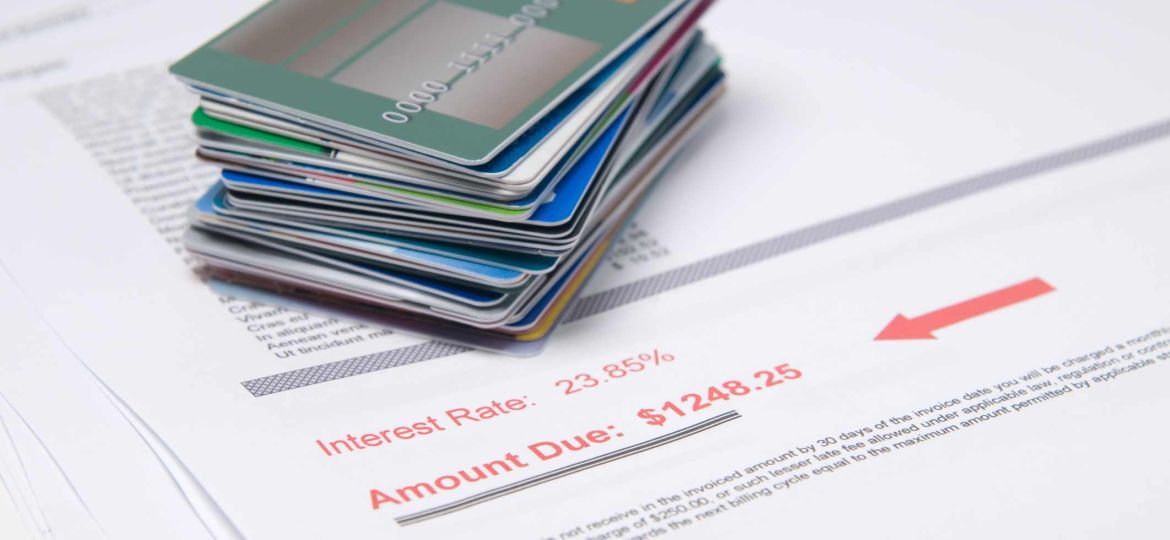
Establishing a robust financial foundation is paramount to navigating the temptations of overspending with credit. This involves a conscious and structured approach to managing your money, ensuring that your financial decisions are deliberate and aligned with your long-term aspirations. By understanding where your money goes and creating a clear roadmap for its use, you can gain control and build confidence in your financial well-being.This section will delve into the practical strategies for creating a solid financial framework, empowering you to make informed choices and resist impulsive spending.
We will explore the essential components of effective financial management, from budgeting and planning to goal setting and safeguarding against unforeseen circumstances.
Budget Design for Income and Expense Tracking
A well-designed budget serves as the cornerstone of sound financial management. It provides a clear picture of your financial inflows and outflows, enabling you to identify spending patterns and make informed adjustments. The process begins with accurately tracking all sources of income and every expense, no matter how small. This detailed understanding is crucial for identifying areas where spending can be reduced or reallocated.To effectively design a budget:
- List all income sources: Include salary, freelance earnings, investment returns, and any other regular or irregular income.
- Categorize all expenses: Differentiate between fixed expenses (rent, mortgage, loan payments) and variable expenses (groceries, entertainment, utilities).
- Utilize budgeting tools: Employ spreadsheets, budgeting apps, or even a simple notebook to record and monitor your income and expenses. Many popular apps offer automatic transaction syncing and visual reporting.
- Review and adjust regularly: A budget is not a static document. It should be reviewed at least monthly to account for changes in income, expenses, or financial priorities.
The principle of a balanced budget is often summarized by the formula:
Income – Expenses = Savings
This simple equation highlights the goal of ensuring that your income consistently exceeds your expenses to allow for savings and investments.
Spending Plan Prioritizing Needs Over Wants
Once income and expenses are tracked, the next critical step is to develop a spending plan that consciously prioritizes essential needs over discretionary wants. This involves a deliberate evaluation of each expenditure, distinguishing between what is truly necessary for survival and well-being versus what is a desire or luxury. This distinction is fundamental in preventing lifestyle inflation and overspending.Creating a spending plan involves:
- Identify essential needs: These include housing, food, utilities, healthcare, transportation for work, and minimum debt payments.
- Evaluate discretionary wants: These are items and activities that enhance your life but are not critical for survival, such as dining out frequently, new gadgets, or premium entertainment.
- Allocate funds strategically: Ensure that all essential needs are fully funded before allocating any significant portion of your income to wants.
- Implement spending limits for wants: If you choose to indulge in wants, set strict limits on how much you will spend in these categories each month. This prevents impulse purchases from derailing your financial plan.
- Consider the “delayed gratification” principle: Before purchasing a want, take a cooling-off period, such as 24 hours or a week, to assess if the purchase is truly necessary or just a fleeting desire.
For instance, if your budget allows for $200 for entertainment, a spending plan would dictate how this $200 is allocated – perhaps $50 for a movie, $70 for a concert ticket, and $80 for streaming services, rather than an unplanned $200 purchase of a new gaming console.
Setting Realistic Financial Goals
Setting realistic financial goals provides direction and motivation for your spending and saving efforts. These goals should be specific, measurable, achievable, relevant, and time-bound (SMART). Without clear objectives, it’s easy to drift and fall prey to immediate gratification, leading to overspending. Realistic goals are those that are attainable given your current financial situation and projected income.Methods for setting realistic financial goals include:
- Define your financial aspirations: What do you want to achieve financially in the short-term (e.g., saving for a vacation), medium-term (e.g., a down payment on a car), and long-term (e.g., retirement)?
- Quantify your goals: Assign a specific monetary value to each goal. For example, instead of “save for a car,” aim for “save $5,000 for a car down payment.”
- Establish timelines: Set realistic deadlines for achieving each goal. A shorter timeline for a larger goal might require more aggressive saving, which could be unsustainable.
- Break down large goals: For substantial goals, divide them into smaller, more manageable milestones. This makes the overall objective seem less daunting and provides a sense of progress.
- Align goals with your budget: Ensure that your savings plan for each goal is integrated into your overall budget. If a goal requires a savings rate that is not feasible with your current income and expenses, you may need to adjust the goal’s timeline or its monetary value.
A common example of a realistic financial goal is saving for a down payment on a home. If your income is $60,000 annually and your essential expenses are $3,000 per month, you might realistically aim to save $10,000 for a down payment within two years, requiring approximately $417 in monthly savings.
Strategies for Creating an Emergency Fund
An emergency fund is a critical safety net designed to cover unexpected expenses without resorting to credit card debt or loans. These unforeseen events can range from medical emergencies and job loss to major home or car repairs. Having a readily accessible fund provides peace of mind and prevents financial derailment when life throws curveballs.Effective strategies for building an emergency fund include:
- Determine the target amount: Financial experts generally recommend saving three to six months’ worth of essential living expenses. Calculate your total monthly essential expenses and multiply by three to six.
- Start small and be consistent: Even saving $25 or $50 per month is a significant start. The key is to make it a regular habit.
- Automate your savings: Set up automatic transfers from your checking account to a separate savings account immediately after each payday. This “pay yourself first” approach ensures that savings are prioritized.
- Direct windfalls to the fund: Any unexpected income, such as tax refunds, bonuses, or gifts, should be primarily directed towards bolstering your emergency fund until it reaches its target.
- Keep it accessible but separate: Store your emergency fund in a liquid savings account that is easily accessible but separate from your everyday checking account to avoid accidental spending. High-yield savings accounts can offer a modest return on your savings.
For instance, if your essential monthly expenses are $2,500, a target of $7,500 to $15,000 for your emergency fund would be appropriate. Reaching this goal might involve saving $300 per month for approximately 25 to 50 months, a process made much smoother through automated transfers.
Strategies for Mindful Credit Card Usage

Using credit cards responsibly is a cornerstone of avoiding overspending. It involves a conscious and deliberate approach to how and when you leverage this financial tool. By implementing specific strategies, you can transform your credit card from a potential pitfall into a valuable asset for managing your finances effectively. This section will guide you through practical techniques to ensure your credit card usage remains mindful and aligned with your financial goals.Adopting a mindful approach to credit card usage means being fully aware of your spending habits and the implications of each transaction.
It’s about making informed decisions rather than impulsive ones, ensuring that your credit card serves your needs without leading you into debt.
Differentiating Needs Versus Wants
A fundamental step in mindful credit card usage is the ability to distinguish between genuine needs and discretionary wants. This clarity helps prevent impulse purchases that can quickly inflate your credit card balance. By critically evaluating each potential purchase, you can prioritize spending on essentials and make more deliberate choices about non-essential items.When considering a purchase with your credit card, ask yourself the following questions:
- Is this item essential for my daily life, work, or well-being?
- Will delaying this purchase have significant negative consequences?
- Is this purchase a one-time need or a recurring desire?
- Could I find a more affordable alternative or wait for a sale?
Understanding this distinction is crucial for maintaining financial discipline and ensuring that your credit card spending aligns with your budget and financial objectives.
Implementing a Pause Before Purchase
One of the most effective techniques to combat impulse spending is to introduce a mandatory pause before finalizing any credit card purchase. This brief period of reflection allows you to assess the true necessity and desirability of an item, moving beyond the immediate gratification of acquisition.Here are practical methods to implement a pause:
- The 24-Hour Rule: For non-essential items, commit to waiting at least 24 hours before making the purchase. Often, the urge to buy will diminish significantly during this time.
- Add to a Wishlist: Instead of buying immediately, add the item to a digital or physical wishlist. Revisit your wishlist periodically and evaluate if you still desire the item.
- Visualize the Impact: Imagine the item already in your possession and consider if it will genuinely enhance your life in the long term, or if it’s just a fleeting impulse.
- Review Your Budget: Before proceeding, quickly check your current credit card balance and your budget for the month. This immediate financial context can be a powerful deterrent to unnecessary spending.
This simple yet powerful habit can save you from numerous regretful purchases and keep your credit card debt at bay.
Understanding Credit Card Terms and Conditions
A thorough understanding of your credit card’s terms and conditions is paramount to responsible usage. These documents, often overlooked, contain vital information about fees, interest rates, and your obligations as a cardholder. Ignoring these details can lead to unexpected costs and financial strain.Key aspects to understand include:
- Annual Percentage Rate (APR): This is the interest rate you’ll be charged on your outstanding balance. Different APRs may apply to purchases, balance transfers, and cash advances.
- Fees: Be aware of annual fees, late payment fees, over-limit fees, foreign transaction fees, and cash advance fees.
- Grace Period: This is the period between the end of your billing cycle and the payment due date. If you pay your balance in full by the due date, you typically won’t be charged interest on new purchases.
- Minimum Payment: Understand that paying only the minimum amount will result in significant interest charges and prolong your debt repayment.
- Credit Limit: Know your credit limit and strive to stay well below it, as high utilization can negatively impact your credit score.
It is highly recommended to review your credit card agreement periodically, especially if your card issuer updates its terms.
Establishing a System for Tracking Credit Card Balances
Regularly tracking your credit card balances is a non-negotiable aspect of mindful credit card usage. Without consistent monitoring, it’s easy for spending to get out of hand, leading to surprises when your statement arrives. A robust tracking system provides real-time visibility into your financial commitments.Here are effective methods for tracking your credit card balances:
- Online Banking and Mobile Apps: Most credit card issuers provide online portals and mobile applications that offer up-to-the-minute balance information, transaction history, and spending summaries. Make it a habit to check these at least weekly.
- Spreadsheets or Budgeting Software: For a more comprehensive overview, consider using personal finance software or creating a spreadsheet to log all credit card transactions as they occur. This allows for detailed categorization and analysis of your spending patterns.
- Regular Statement Review: Beyond just checking your balance, dedicate time to thoroughly review each monthly statement. Verify all transactions, identify any unauthorized charges, and understand your total outstanding amount and minimum payment due.
- Setting Up Alerts: Many credit card companies allow you to set up custom alerts for various activities, such as when your balance reaches a certain threshold, when a payment is due, or when a large transaction occurs. These notifications act as timely reminders and early warning systems.
By implementing a consistent tracking system, you empower yourself with knowledge, enabling you to make informed spending decisions and maintain control over your credit card debt.
Developing Healthy Spending Habits
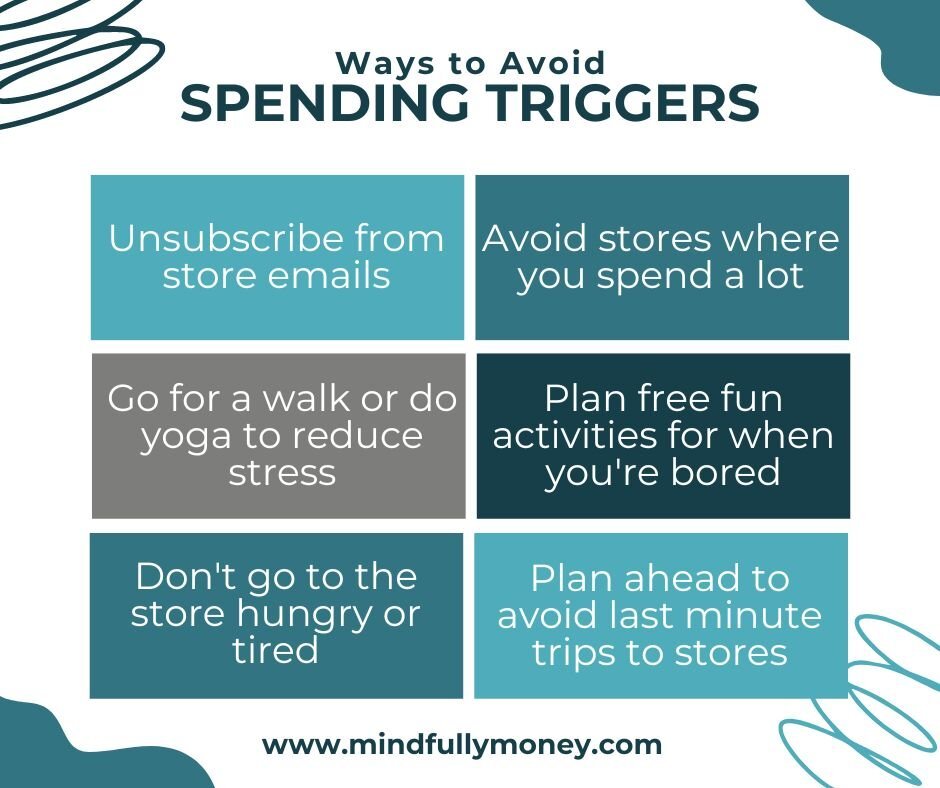
Cultivating healthy spending habits is fundamental to avoiding overspending with credit and achieving long-term financial well-being. This involves a conscious shift in mindset and the adoption of practical strategies that promote mindful decision-making around purchases. By understanding the underlying psychological drivers of spending and implementing disciplined approaches, individuals can build a more robust and sustainable financial future.The journey towards healthier spending habits is an ongoing process that requires self-awareness, patience, and consistent effort.
It’s about creating a balanced relationship with money where spending aligns with your values and financial goals, rather than being driven by impulse or external pressures.
Cultivating Delayed Gratification
Delayed gratification, the ability to resist an immediate reward in favor of a later, often larger, reward, is a cornerstone of sound financial management. Developing this skill helps prevent impulsive purchases that can lead to debt. It involves retraining your brain to prioritize long-term goals over short-term desires.Here are actionable steps for cultivating delayed gratification:
- Visualize Your Goals: Regularly picture your long-term financial aspirations, such as a down payment on a house, a comfortable retirement, or significant debt reduction. Seeing these outcomes clearly can provide the motivation needed to resist immediate temptations.
- Set Short-Term “Waiting” Goals: For desired items, implement a waiting period. For instance, if you want a new gadget, commit to waiting 30 days. During this time, assess if the desire persists or if you find alternative solutions.
- Practice the “One-In, One-Out” Rule: For certain categories of purchases (e.g., clothing, books), adopt a rule where you must get rid of an existing item before purchasing a new one. This encourages thoughtful consideration of needs versus wants.
- Engage in Activities That Require Patience: Hobbies like gardening, learning a musical instrument, or training for a marathon naturally build patience and the understanding that significant rewards come from sustained effort.
- Delay Non-Essential Purchases: When faced with a non-essential purchase, consciously pause and ask yourself if it is truly necessary or if it aligns with your larger financial objectives. This pause is crucial for allowing the impulse to subside.
Finding Free or Low-Cost Alternatives
Many desires can be satisfied without significant financial outlay. By being resourceful and creative, you can often find enjoyable and fulfilling experiences or items at a fraction of the cost, or even for free. This approach not only saves money but also encourages a more innovative and appreciative mindset.Consider these methods for discovering free or low-cost alternatives:
- Leverage Libraries: Beyond books, many libraries offer access to movies, music, online courses, museum passes, and even tools. They are invaluable community resources for entertainment and learning.
- Explore Community Events: Local parks, community centers, and town halls often host free concerts, festivals, workshops, and recreational activities. Check local listings and social media for upcoming events.
- Utilize Online Resources: Websites and apps offer free educational content, workout routines, recipes, and entertainment. Platforms like YouTube, Coursera (for free courses), and public domain archives are excellent starting points.
- Embrace the Outdoors: Hiking, picnicking, visiting local parks, or simply enjoying a walk in nature are cost-free ways to de-stress and engage with your surroundings.
- Swap and Share: Organize or participate in clothing swaps, book exchanges, or tool-lending groups with friends, family, or community members. This promotes resourcefulness and community building.
- DIY and Upcycling: Instead of buying new, consider if you can repair, repurpose, or create items yourself. Pinterest and YouTube offer countless tutorials for DIY projects and upcycling ideas.
Practicing Mindful Consumption
Mindful consumption is about being present and intentional with your spending decisions. It involves understanding the “why” behind your purchases and ensuring they genuinely add value to your life, rather than being driven by habit, advertising, or emotional states.Techniques for practicing mindful consumption include:
- Create a “Needs vs. Wants” List: Before making a purchase, categorize it as either a necessity or a desire. This simple exercise can immediately highlight impulse buys.
- Question the Source of Desire: Ask yourself if the desire to buy stems from genuine need, a social media influence, boredom, or an attempt to fill an emotional void.
- Track Your Purchases: Keep a detailed record of every purchase, no matter how small. This awareness is the first step to identifying patterns and understanding where your money is actually going.
- Unsubscribe from Marketing Emails: Reduce exposure to constant advertising by unsubscribing from promotional emails and unfollowing social media accounts that trigger impulse buying.
- Practice “Mindful Browsing”: If you enjoy browsing online or in stores, set a specific purpose for your visit. If you find something you like, add it to a wishlist and revisit it later, rather than buying on the spot.
- Savor Your Possessions: Take time to appreciate the items you already own. This can reduce the perceived need for new acquisitions and foster a sense of contentment.
Organizing a Personal Spending “Audit”
A personal spending audit is a crucial diagnostic tool to understand your financial habits, identify areas where money is being spent unnecessarily, and pinpoint potential “leakage” that derails your budget. It provides a clear, data-driven picture of your financial behavior.To organize a personal spending audit, follow these steps:
- Gather Financial Records: Collect all bank statements, credit card statements, receipts, and any other documentation of your income and expenses for a specific period (e.g., the last one to three months).
- Categorize All Expenses: Go through each transaction and assign it to a specific category. Common categories include housing, transportation, food, utilities, entertainment, personal care, debt payments, and savings. Be granular where necessary.
- Identify “Leakage” Areas: Analyze your categorized expenses to find patterns of overspending or unnecessary expenditures. These might include frequent dining out, impulse online purchases, unused subscriptions, or excessive entertainment costs.
- Quantify the Leakage: Calculate the total amount spent in each identified leakage area. This provides a concrete understanding of the financial impact of these habits. For example, you might discover that daily coffee purchases amount to several hundred dollars per month.
- Set Spending Targets: Based on your audit findings, set realistic spending targets for each category, especially for the identified leakage areas. This creates a new baseline for your spending.
- Implement Changes and Re-Audit: Put your new spending targets into practice. After a month or two, conduct another spending audit to assess your progress, identify any new leakage areas, and adjust your targets as needed. This iterative process ensures continuous improvement.
By systematically reviewing your spending, you gain invaluable insights that empower you to make informed decisions and develop more sustainable financial habits.
Navigating Temptation and Setbacks
Successfully managing credit and avoiding overspending is an ongoing journey that often involves navigating personal temptations and unexpected setbacks. Understanding these challenges and developing proactive strategies is key to maintaining financial well-being. This section will guide you through identifying personal triggers, building resilience, leveraging support systems, and creating a recovery plan for when financial missteps occur.
Identifying Personal Danger Zones for Overspending
Recognizing the specific situations, emotions, or environments that make you vulnerable to overspending is a critical first step in prevention. These “danger zones” are unique to each individual and often stem from psychological or environmental factors. By becoming aware of these triggers, you can develop targeted strategies to avoid them or manage them more effectively.Here are common areas where overspending temptations often arise:
- Emotional States: Feelings of stress, boredom, loneliness, or even happiness can lead to impulsive purchases as a coping mechanism or a way to celebrate. For example, a stressful workday might trigger an online shopping spree for comfort items.
- Social Situations: Peer pressure, social events, or the desire to keep up with friends can lead to spending beyond one’s means. Attending a friend’s expensive birthday party or going out for lavish meals with colleagues can be significant temptations.
- Environmental Triggers: Certain physical or digital environments can be highly conducive to overspending. This includes visiting shopping malls, browsing online retail sites, or being exposed to targeted advertising, especially during sales events.
- Specific Times or Occasions: Holidays, birthdays, or even the end of a pay cycle can create a sense of urgency or a feeling of entitlement to spend. The anticipation of a sale, like Black Friday, can also be a powerful trigger.
Building Resilience Against Impulse Buying
Developing resilience against impulse buying involves cultivating mental fortitude and implementing practical techniques to pause before purchasing. This means creating a buffer between the desire to buy and the act of buying, allowing for rational thought to take over.Effective strategies for building this resilience include:
- Implementing a Waiting Period: For non-essential purchases, institute a 24-hour or even a 48-hour waiting period. During this time, reflect on whether the item is truly needed and if it aligns with your financial goals.
- Practicing Mindfulness: Be present and aware of your thoughts and feelings when you experience an urge to buy. Ask yourself if the purchase is driven by a genuine need or an emotional impulse.
- Creating a Budget and Sticking to It: A well-defined budget acts as a roadmap, clearly outlining where your money should go. When faced with a temptation, you can refer to your budget to see if the purchase is feasible.
- Unsubscribing from Marketing Emails and Social Media: Reduce exposure to constant advertising and promotional content that can fuel desire. Limiting these external stimuli can significantly decrease the frequency of impulse urges.
Benefits of Seeking Support
While personal discipline is crucial, acknowledging that financial challenges can be difficult to navigate alone is important. Seeking support from others can provide invaluable encouragement, accountability, and practical advice.The advantages of engaging with a support network include:
- Emotional Encouragement: Friends and family can offer empathy and understanding, helping you feel less alone in your financial journey. They can also celebrate your successes and provide a listening ear during difficult times.
- Accountability Partners: Sharing your financial goals with trusted individuals can create a sense of accountability. Knowing that someone else is aware of your commitments can motivate you to stay on track. For instance, a friend might agree to join you in avoiding impulse buys for a month.
- Objective Advice: Financial professionals, such as financial advisors or credit counselors, offer expert guidance and objective perspectives. They can help you identify blind spots in your spending habits and develop personalized strategies.
- Shared Strategies and Resources: Support groups or online communities focused on financial wellness can offer a wealth of shared experiences, tips, and resources that you might not discover on your own.
Designing a Plan for Recovering from Accidental Overspending
Accidental overspending, or occasional slips, are a normal part of the financial journey for many. The key is not to let these setbacks derail your progress but to learn from them and implement a recovery plan. A structured approach ensures that a single mistake doesn’t lead to a cycle of financial difficulties.A comprehensive recovery plan should include the following elements:
- Immediate Assessment: As soon as you realize you’ve overspent, take a moment to assess the situation calmly. Understand the amount spent, which accounts were affected, and the immediate impact on your budget. Avoid self-blame; focus on constructive action.
- Budget Adjustment: Review your current budget and identify areas where you can make immediate cuts to compensate for the overspending. This might involve reducing discretionary spending for the remainder of the month or reallocating funds from less critical categories. For example, if you overspent on dining out, you might decide to cook at home for the next two weeks.
- Payment Strategy: Determine how you will cover the overspent amount. If it’s a credit card, understand the interest implications and aim to pay off the extra balance as quickly as possible to minimize interest charges. If it’s a debit purchase that has put you in a difficult position, explore ways to generate extra income or cut back on other expenses to replenish your account.
- Root Cause Analysis: Reflect on what led to the overspending. Was it an emotional trigger, a social situation, or a lapse in your budgeting process? Understanding the root cause is crucial for preventing future occurrences.
- Reinforce Prevention Strategies: Recommit to the strategies you’ve learned, such as implementing waiting periods, practicing mindfulness, or seeking support. Adjust your existing strategies based on what you learned from the setback.
- Forgiveness and Moving Forward: Grant yourself grace. One overspending incident does not define your financial capability. Acknowledge the mistake, learn from it, and confidently move forward with your financial goals.
Visualizing Financial Control

Moving beyond the mechanics of budgeting and habit-building, this section delves into the powerful impact of visualization on maintaining financial control. By painting a clear picture of desired outcomes and the steps to achieve them, we can reinforce our commitment and find motivation in the tangible benefits of responsible credit usage. This is about making your financial goals feel real and attainable.The ability to vividly imagine a future where financial stress is a distant memory can be a profound motivator.
It transforms abstract goals into concrete aspirations, making the effort required to achieve them feel worthwhile. This mental exercise isn’t just about dreaming; it’s about actively shaping your financial reality by reinforcing positive behaviors and choices.
The Freedom of a Debt-Free Life
Imagine the sheer relief and liberation that comes with knowing you owe nothing on your credit cards. Picture a life where your hard-earned money is no longer earmarked for interest payments and minimum balances. This freedom allows for greater flexibility, spontaneity, and peace of mind, opening up possibilities that were previously constrained by debt.Consider Sarah, who spent years diligently paying down her credit card balances.
The moment she made her final payment, she described a feeling of immense lightness, as if a heavy weight had been lifted. She no longer had to check her statements with dread or worry about accumulating interest. This newfound freedom allowed her to start saving for a down payment on a home, a goal that had seemed impossible just a few years prior.
The visual of her zero-balance statement was a powerful testament to her discipline and the reward of her efforts.
The Clarity of an Organized Budget
A well-organized budget is more than just a spreadsheet; it’s a visual roadmap to your financial destination. It clearly delineates where your money is going, allowing you to make informed decisions about your spending and savings. This transparency empowers you to identify areas where you can cut back and reallocate funds towards your goals.Visualize a budget presented as a pie chart, with each slice representing a distinct spending category such as housing, transportation, food, entertainment, and savings.
The sizes of these slices are proportional to the amount allocated, providing an immediate and intuitive understanding of your financial distribution. Savings, ideally, would be a significant and healthy portion, visually distinct and prioritized. This clear visual representation makes it easy to spot imbalances and adjust spending habits accordingly.
The Fulfillment of Reaching Savings Milestones
Achieving a savings goal, whether it’s for a vacation, a new car, or an emergency fund, offers a deep sense of accomplishment. This feeling is amplified when you can see the tangible progress you’ve made. It’s a direct reward for your discipline and a powerful indicator that your financial strategies are working.Think about the satisfaction of watching your savings account balance grow.
Each deposit, no matter how small, contributes to a larger, more significant sum. Imagine seeing your savings thermometer fill up, reaching its target. This visual progress serves as a constant reminder of your commitment and the rewards of delayed gratification. For many, this feeling is akin to crossing a finish line after a challenging race, a moment of pride and validation.
A Secure Financial Future Unburdened by Credit Stress
Envision a future where credit card statements are a minor detail, not a source of anxiety. Picture a life where you have a robust emergency fund, allowing you to handle unexpected expenses without resorting to debt. This mental image of a secure financial future, free from the constant pressure of credit card obligations, is a powerful motivator for present-day financial discipline.This secure future is characterized by consistent saving, wise investing, and the ability to make purchasing decisions based on need and value, rather than the availability of credit.
It’s a state of financial resilience, where you are in control, and your money works for you, not the other way around. This visualization provides a compelling reason to resist impulsive spending and to prioritize long-term financial well-being.
Epilogue
In conclusion, by understanding the psychology of overspending, building a strong financial foundation, employing mindful credit card usage, developing healthy spending habits, and learning to navigate temptation, you are well-equipped to achieve lasting financial control. Visualizing your debt-free future and the freedom it brings serves as a powerful motivator. Embracing these strategies will not only help you avoid the pitfalls of overspending but will also pave the way for a more secure and fulfilling financial life, transforming stress into accomplishment.