How to Maintain a Good Credit Mix is a crucial element of a strong financial profile, influencing your ability to secure favorable loan terms and interest rates. Understanding this often-overlooked aspect of credit scoring can unlock significant advantages for your financial journey.
This guide delves into the intricacies of credit mix, exploring what it entails, why it matters to lenders, and how to strategically build and maintain a balanced portfolio of credit accounts. We will break down the different types of credit, illustrate what constitutes a healthy mix, and provide practical strategies for diversification and responsible management.
Understanding Credit Mix
Your credit mix, also known as credit diversity, refers to the variety of credit accounts you have. It’s a crucial factor that credit scoring models consider when determining your creditworthiness. A well-balanced credit mix demonstrates that you can responsibly manage different types of debt, which can positively influence your credit score.Lenders and credit bureaus look at how you handle various credit obligations.
Having a mix of credit types shows you have experience with different financial products and can meet the repayment terms associated with each. This diversity can signal to lenders that you are a lower risk, potentially leading to better interest rates and loan terms in the future.
Types of Credit Accounts
The accounts that contribute to your credit mix generally fall into two main categories: revolving credit and installment credit. Understanding the characteristics of each is key to building a diverse credit profile.
- Revolving Credit: This type of credit allows you to borrow money up to a certain limit and repay it over time. You can reuse the credit as you pay it down. The outstanding balance can fluctuate, and typically, you make minimum payments.
- Credit Cards: These are the most common form of revolving credit. They offer flexibility for everyday purchases and can be very useful for building credit history when managed responsibly.
- Home Equity Lines of Credit (HELOCs): These are similar to credit cards but are secured by the equity in your home. They provide a flexible line of credit for larger expenses.
- Installment Credit: This type of credit involves borrowing a fixed amount of money that you repay in regular, scheduled payments over a set period. Each payment typically includes both principal and interest.
- Mortgages: These are loans used to purchase real estate, typically repaid over 15 to 30 years.
- Auto Loans: These loans are specifically for purchasing a vehicle and are repaid over several years.
- Student Loans: These are loans taken out to finance education expenses and have varying repayment terms.
- Personal Loans: These are unsecured loans that can be used for various purposes, such as debt consolidation or home improvements, and are repaid in fixed installments.
Examples of Credit Mixes
The ideal credit mix is subjective and depends on individual financial circumstances and goals. However, a healthy mix generally includes both revolving and installment credit, managed responsibly. Conversely, an unhealthy mix might indicate a reliance on one type of credit or a lack of experience with diverse credit products.
| Credit Mix Type | Description | Impact on Credit Score |
|---|---|---|
| Healthy Mix | Includes a combination of credit cards (revolving credit) and at least one installment loan, such as a mortgage or auto loan, all managed with timely payments and low credit utilization. For example, having two credit cards with low balances and an active, well-managed auto loan. | Generally has a positive impact, demonstrating responsible management of different credit types. |
| Unhealthy Mix (Over-reliance on Revolving Credit) | Primarily consists of multiple credit cards with high balances and limited or no installment loans. For instance, having several credit cards maxed out and no other credit accounts. | Can negatively impact the score due to high credit utilization ratios, even if payments are made on time. |
| Unhealthy Mix (Lack of Diversity) | Having only one type of credit, such as only installment loans with no credit cards, or vice versa, can be less impactful than a mix with high utilization. For example, only having a mortgage and no other credit accounts, or only having credit cards with minimal usage. | May not contribute as positively as a diverse mix, as it doesn’t showcase the ability to manage different credit products. |
Components of a Good Credit Mix
A well-rounded credit mix is a vital element in building a strong credit profile. It demonstrates to lenders that you can responsibly manage various types of debt. This diversity in credit usage can positively influence your credit score, as it shows adaptability and a broader understanding of financial obligations.The composition of your credit mix is evaluated by credit bureaus as part of your overall creditworthiness.
Lenders look for a history of managing different credit products effectively, which suggests a lower risk for them. While the specific weighting of each credit type can vary, having a balanced portfolio is generally beneficial.
Revolving Credit
Revolving credit, most commonly represented by credit cards, plays a significant role in a credit mix. This type of credit allows you to borrow money up to a certain limit and repay it over time, with the ability to reuse the credit as it’s paid down. Responsible use of credit cards, such as making timely payments and keeping balances low relative to credit limits (utilization ratio), showcases your ability to manage ongoing debt.The consistent, responsible management of credit cards demonstrates a lender’s trust in your ability to handle ongoing financial commitments.
It’s a clear indicator of your discipline in making regular payments and managing available credit.
Installment Loans
Installment loans are another cornerstone of a good credit mix. These are loans where you borrow a fixed amount of money and repay it in regular, scheduled payments over a set period. Examples include mortgages, auto loans, and personal loans. The predictable payment structure of these loans allows lenders to assess your commitment to long-term financial obligations.Successfully managing installment loans showcases your ability to handle larger, long-term financial commitments.
It reflects a steady repayment behavior and a commitment to fulfilling financial agreements over extended periods.
Other Types of Credit
Beyond credit cards and traditional installment loans, other forms of credit can also contribute to a healthy credit mix. These might include retail store credit cards, lines of credit, and even certain types of secured loans. Each of these can offer a unique perspective on your credit management capabilities.Consider these additional credit types as they can further diversify your credit profile:
- Retail Store Credit Cards: While often associated with specific retailers, these function similarly to standard credit cards and can help build credit history, especially for those starting out.
- Lines of Credit: Similar to revolving credit, these offer flexibility and can demonstrate your ability to manage accessible funds responsibly.
- Secured Loans: Loans backed by collateral, such as a home equity line of credit, can also be part of a credit mix, showing your capacity to secure borrowing.
Building and Diversifying Your Credit
Effectively managing your credit mix involves more than just understanding its components; it requires a proactive and strategic approach to building and diversifying your credit responsibly. This section will guide you through designing a plan to acquire different types of credit without overextending yourself financially, ensuring a balanced credit profile over time.A well-diversified credit portfolio demonstrates to lenders your ability to manage various financial obligations.
This diversity, when handled responsibly, can significantly boost your creditworthiness. The key is to approach credit acquisition with a clear strategy, focusing on long-term financial health rather than short-term gains.
Designing a Strategy for Acquiring Different Types of Credit
Developing a strategic approach to obtaining various credit types is crucial for building a robust credit history. This involves understanding the purpose of each credit type and how it fits into your overall financial goals. A balanced strategy ensures that you are not relying on a single form of credit, which can limit your credit score potential and increase risk.A responsible strategy begins with assessing your current financial situation and identifying which credit products align with your needs and repayment capabilities.
This proactive planning helps prevent impulsive decisions that could negatively impact your credit.
- Start with Secured Credit: For individuals new to credit or rebuilding their credit, secured credit cards or secured loans are excellent starting points. These require a cash deposit, minimizing risk for the lender and allowing you to build a positive payment history.
- Gradually Introduce Unsecured Credit: Once a positive payment history is established with secured products, consider applying for an unsecured credit card. These typically have higher credit limits and do not require a deposit, but they also carry more risk and are therefore more scrutinized by lenders.
- Consider Installment Loans for Specific Goals: Personal loans or auto loans can be beneficial for larger purchases or specific financial needs. These fixed-term loans with predictable repayment schedules can demonstrate your ability to handle larger, structured debt.
- Explore Mortgages for Homeownership: A mortgage is a significant installment loan that, when managed well, can substantially contribute to a good credit mix and long-term financial stability.
Methods for Diversifying Credit Without Overextending Financially
Diversifying your credit is about having a mix of different credit types, but it’s equally important to do so without taking on more debt than you can comfortably manage. Overextending yourself can lead to missed payments, high credit utilization, and a damaged credit score, negating the benefits of diversification.The principle here is mindful acquisition. Each new credit product should be carefully evaluated for its necessity and your capacity to repay.
This prevents the accumulation of debt that becomes unmanageable.
- Prioritize Needs Over Wants: Only apply for credit that serves a genuine financial need or goal, such as purchasing a necessary vehicle, investing in education, or securing a home. Avoid applying for credit simply because it’s available or for discretionary purchases that could be financed through savings.
- Maintain Low Credit Utilization Ratios: For revolving credit (like credit cards), aim to keep your utilization ratio below 30%, and ideally below 10%. This means not maxing out your credit cards. High utilization signals to lenders that you are heavily reliant on credit.
- Avoid Multiple Applications in a Short Period: Each credit application typically results in a hard inquiry on your credit report, which can temporarily lower your score. Space out your applications for new credit to allow your score to stabilize.
- Understand the Terms and Conditions: Before accepting any credit offer, thoroughly review the interest rates, fees, repayment terms, and any other conditions. Ensure you fully understand your obligations.
Organizing a Plan for Gradually Building a Balanced Credit Profile Over Time
Building a balanced credit profile is a marathon, not a sprint. It requires patience, discipline, and a consistent strategy for acquiring and managing different types of credit over an extended period. A well-organized plan ensures that each step taken contributes positively to your overall credit health.The foundation of this plan is consistent, responsible behavior. By making timely payments and managing your credit utilization effectively, you demonstrate reliability to lenders, which is the cornerstone of a good credit score.
A structured approach to building your credit profile typically involves the following phases:
- Foundation Building (Years 1-3): Focus on establishing a solid history with at least one or two revolving credit accounts (e.g., a secured credit card) and one installment loan (e.g., a small personal loan or auto loan if applicable). The primary goal is consistent on-time payments.
- Diversification and Growth (Years 3-7): As your credit history matures and your financial situation strengthens, you can strategically introduce additional credit types. This might include applying for an unsecured credit card with a higher limit or a mortgage if you are looking to buy a home. Continue to manage all accounts responsibly.
- Maintenance and Optimization (Year 7+): At this stage, your credit profile should be well-diversified and reflect a history of responsible management. The focus shifts to maintaining excellent payment history, keeping credit utilization low, and periodically reviewing your credit reports for accuracy. You may also consider consolidating debt if beneficial or exploring premium credit products if your financial goals align.
Throughout this process, it is vital to regularly monitor your credit reports from the major credit bureaus (Equifax, Experian, and TransUnion) to ensure accuracy and identify any potential issues. This gradual, strategic approach ensures that your credit mix grows in a way that supports, rather than hinders, your financial well-being.
Maintaining a Healthy Credit Mix

Successfully managing your credit mix is a continuous process that requires diligent attention to how you handle different types of credit. A well-balanced credit portfolio not only demonstrates responsible financial behavior to lenders but also contributes positively to your overall creditworthiness. This section will delve into the best practices for managing your various credit accounts and highlight how your payment history across these accounts shapes your credit health.A robust credit mix is a cornerstone of a strong credit profile.
It signifies to lenders that you can manage different financial obligations responsibly. The key lies in not just having diverse credit types but also in managing them impeccably. This involves understanding the nuances of each credit product and adhering to best practices that reinforce your financial discipline.
Best Practices for Managing Various Credit Accounts
Effectively managing your diverse credit accounts is crucial for maintaining a healthy credit mix. This involves a proactive approach to understanding the terms of each account and consistently meeting your obligations.
- On-time Payments: Consistently making payments on or before the due date for all credit accounts, including credit cards, installment loans, and mortgages, is paramount. Payment history is the most significant factor influencing your credit score.
- Responsible Credit Utilization: For revolving credit like credit cards, keeping your credit utilization ratio low (ideally below 30%) is vital. This means not maxing out your credit cards.
- Strategic Use of Installment Loans: While revolving credit is important, having a history of managing installment loans, such as auto loans or personal loans, demonstrates your ability to handle fixed repayment schedules. It’s important not to take on more installment loans than you can comfortably manage.
- Diversify Wisely: While diversification is good, avoid opening multiple new accounts simultaneously, as this can negatively impact your score in the short term due to multiple hard inquiries.
- Regular Account Review: Periodically review your credit reports from the major credit bureaus (Equifax, Experian, and TransUnion) to ensure accuracy and identify any potential issues with your accounts.
- Understand Loan Terms: Be aware of the interest rates, fees, and repayment terms for all your credit accounts. This knowledge empowers you to make informed decisions about your borrowing.
Impact of Payment History on Different Credit Types
Your payment history across all credit types is a powerful indicator of your creditworthiness. Lenders scrutinize how you manage each type of debt to gauge your reliability.Payment history is the single most influential factor in your credit score, accounting for approximately 35% of the FICO score. When lenders assess your creditworthiness, they look at your track record with different credit products.
A consistent history of on-time payments on credit cards, auto loans, mortgages, and even student loans demonstrates reliability. Conversely, late payments, defaults, or collections on any of these accounts can significantly damage your credit score and make it harder to secure future credit. For example, a pattern of late payments on a credit card might signal to a lender that you struggle with managing revolving debt, while timely payments on an auto loan might indicate responsible handling of fixed-term obligations.
The aggregate of these payment behaviors across all your credit types paints a comprehensive picture of your financial discipline.
Importance of Avoiding Too Much of One Type of Credit
While having a variety of credit types is beneficial, an over-reliance on a single type of credit can present a less favorable picture to lenders. A balanced credit mix is about demonstrating versatility in financial management.Having too much of one type of credit, such as numerous credit cards or multiple payday loans, can be viewed as a higher risk by lenders.
For instance, an individual with ten credit cards, all carrying balances close to their limits, might be perceived as overextended, even if payments are consistently made on time. This is because it suggests a high degree of reliance on revolving credit and potentially a greater risk of defaulting if financial circumstances change. Lenders prefer to see a history of managing different credit products, such as a combination of revolving credit (credit cards) and installment credit (mortgages, auto loans).
This diversification suggests a more stable and well-rounded approach to financial responsibility. For example, a borrower with a mortgage, an auto loan, and one or two credit cards used responsibly often presents a more balanced and less risky profile than someone with an excessive number of credit cards. This balanced approach indicates an ability to handle various repayment structures and financial commitments effectively.
The Impact of Credit Mix on Credit Scores
Your credit mix, which refers to the variety of credit accounts you manage, plays a significant role in shaping your overall creditworthiness. Lenders and credit scoring models look at your credit history not just for payment behavior but also for how you manage different types of debt. A well-diversified credit portfolio can be a strong indicator of your ability to handle various financial responsibilities responsibly, thereby positively influencing your credit score.A balanced credit mix demonstrates to lenders that you have experience managing different financial products successfully.
This includes revolving credit, such as credit cards, and installment loans, like mortgages or auto loans. When you can manage these diverse forms of credit effectively, it signals a lower risk to potential lenders, making it easier for you to secure future loans and obtain favorable interest rates.
Positive Influence of a Varied Credit Portfolio
A diverse credit mix can contribute positively to your credit score in several ways. It shows a comprehensive understanding of credit management and the ability to meet obligations across different financial instruments. This variety can account for a portion of your credit score, typically around 10-15% in many scoring models.Lenders view a well-rounded credit mix as a sign of financial maturity.
It suggests that you are not solely reliant on one type of credit and can navigate the complexities of managing multiple financial obligations. This perception can lead to more attractive loan offers and a higher likelihood of approval.
Lender Perception of a Well-Rounded Credit Mix
Lenders often perceive a borrower with a good credit mix as more stable and less risky. For instance, having both a credit card and a mortgage demonstrates an ability to manage both ongoing expenses and significant long-term debt. This balanced approach suggests a responsible financial lifestyle.A strong credit mix can also differentiate you from other applicants with similar payment histories.
If two individuals have perfect payment records, the one with a more diverse credit history might be seen as a more attractive candidate due to their demonstrated ability to manage different credit products.
Negative Consequences of a Limited or Unbalanced Credit Mix
Conversely, a limited or unbalanced credit mix can negatively impact your borrowing capacity and credit score. If your credit history consists solely of credit cards, for example, you might not be seen as experienced in managing larger, long-term installment loans. This can make it harder to qualify for significant financing, such as a mortgage.An unbalanced mix might also indicate a higher risk if your credit profile is heavily weighted towards high-interest revolving debt without any history of responsible installment loan repayment.
This scenario can lead to:
- Difficulty in obtaining new loans, especially for larger purchases like homes or vehicles.
- Higher interest rates on approved loans, as lenders perceive a greater risk.
- Lower credit score, as scoring models may penalize the lack of diversity.
- Limited access to a full range of financial products and services.
For example, imagine two individuals applying for a mortgage. Both have excellent payment histories on their credit cards, with no late payments and low utilization. However, one individual also has a history of successfully managing an auto loan for several years, while the other has no installment loan experience. The lender might view the individual with the auto loan history as a safer bet for a mortgage due to their demonstrated ability to handle a significant installment debt.
This is because credit scoring models recognize that managing different types of credit requires distinct financial skills and discipline.
Common Scenarios and Credit Mix

Understanding how different credit combinations influence your credit score is crucial for effective credit management. A well-balanced credit mix can demonstrate to lenders that you can responsibly manage various types of debt, which often leads to a more favorable credit assessment. Conversely, a limited or heavily skewed credit profile might raise concerns for some lenders. The following sections explore common scenarios and illustrate the impact of different credit mixes on credit scores.
Credit Mix Scenarios and Their Impact
The composition of your credit accounts plays a significant role in your overall creditworthiness. Lenders evaluate your ability to handle different credit products, such as revolving credit (like credit cards) and installment loans (like mortgages or auto loans). A diverse mix, when managed responsibly, can signal a lower risk to lenders. The table below illustrates how various credit combinations can affect credit scores:
| Credit Mix Description | Potential Credit Score Impact | Explanation |
|---|---|---|
| Only Credit Cards (multiple, well-managed) | Moderate to Good | Demonstrates ability to manage revolving credit. However, lacks evidence of managing installment loans, which can limit the potential for a top-tier score. |
| Only Installment Loans (e.g., mortgage, auto loan, student loan) | Moderate | Shows responsibility with fixed payments. Lacks the demonstration of managing flexible, revolving credit, which is a key component for a comprehensive credit profile. |
| Credit Cards and One Installment Loan (e.g., auto loan) | Good | A balanced approach, showing management of both revolving and installment credit. This combination is generally viewed positively by lenders. |
| Credit Cards and Multiple Installment Loans (e.g., mortgage, auto loan, student loan) | Good to Excellent | A well-diversified credit mix. Demonstrates the ability to manage various types of debt with different repayment structures, indicating strong credit management skills. |
| Excessive Credit Cards with High Balances | Poor to Fair | Even with a mix, high credit utilization across multiple cards can significantly lower scores due to increased risk perception. |
| Mix with Past Delinquencies/Defaults | Poor | Negative payment history on any type of credit account will severely impact scores, regardless of the mix. |
Illustrative Scenarios of Individuals with Varying Credit Mixes
To better understand the practical implications of credit mix, consider the following hypothetical individuals:
-
Sarah, the Credit Card Specialist: Sarah primarily uses credit cards for all her purchases and pays them off diligently each month. She has several credit cards with different credit limits and has never missed a payment. Her credit score is generally good, reflecting her excellent payment history and responsible use of revolving credit. However, she has never taken out a loan.
When she applies for a mortgage, the lender might view her profile as having a limited credit history in managing long-term, fixed-payment debts, potentially leading to slightly higher interest rates or more stringent requirements compared to someone with a mortgage history.
-
David, the Loan Manager: David has a mortgage, an auto loan, and a student loan, all of which he manages with timely payments. He has never used a credit card. His credit score is fair to good, demonstrating his ability to handle installment debt. However, when he needs a new credit card for travel rewards, the issuer might be hesitant or offer a card with a low credit limit and a high interest rate.
This is because his profile doesn’t show experience with the flexibility and payment patterns of revolving credit.
-
Maria, the Balanced Borrower: Maria has a mortgage, an auto loan, and two credit cards that she uses for everyday expenses and pays off in full each month. She has consistently made all her payments on time for all her accounts. Her credit score is excellent. Lenders see that she can manage different types of debt effectively – the predictable payments of her loans and the flexible nature of her credit cards.
This diverse and well-managed credit mix makes her a very attractive borrower.
- John, the Overextended Consumer: John has three credit cards, each with a high balance close to its limit, and an auto loan where he is often late with payments. While he has a mix of credit types, his high credit utilization on cards and his late payments on the loan significantly damage his credit score. He would likely be considered a high-risk borrower, making it difficult to obtain new credit or secure favorable terms.
Implications of Having Only Credit Cards Versus Having Both Credit Cards and Loans
The presence of both revolving credit (credit cards) and installment credit (loans) in your credit profile generally contributes more positively to your credit score than having only one type.
-
Having Only Credit Cards: If your credit history consists solely of credit cards, you demonstrate proficiency in managing revolving credit. This means you can handle credit that doesn’t have a fixed repayment schedule and can manage varying balances. However, lenders may not have sufficient data to assess your ability to manage structured, long-term debt with fixed monthly payments, which is a key characteristic of installment loans.
This can limit your credit score’s potential, as a well-rounded credit mix is a factor in credit scoring models.
-
Having Both Credit Cards and Loans: A credit profile that includes both credit cards and installment loans provides a more comprehensive picture of your credit management capabilities. It shows you can handle the flexibility of revolving credit and the discipline required for fixed payments on loans. This diversification is often viewed favorably by credit scoring agencies and lenders, as it signifies a broader range of financial responsibility.
For instance, a person with a mortgage and a credit card is generally seen as more creditworthy than someone with only credit cards, assuming all other credit factors are equal. This is because the mortgage demonstrates the ability to manage a significant, long-term financial commitment.
In essence, while managing credit cards well is important, incorporating installment loans into your credit mix, when done responsibly, can enhance your creditworthiness and potentially lead to better credit terms and higher scores.
Practical Steps for Improvement
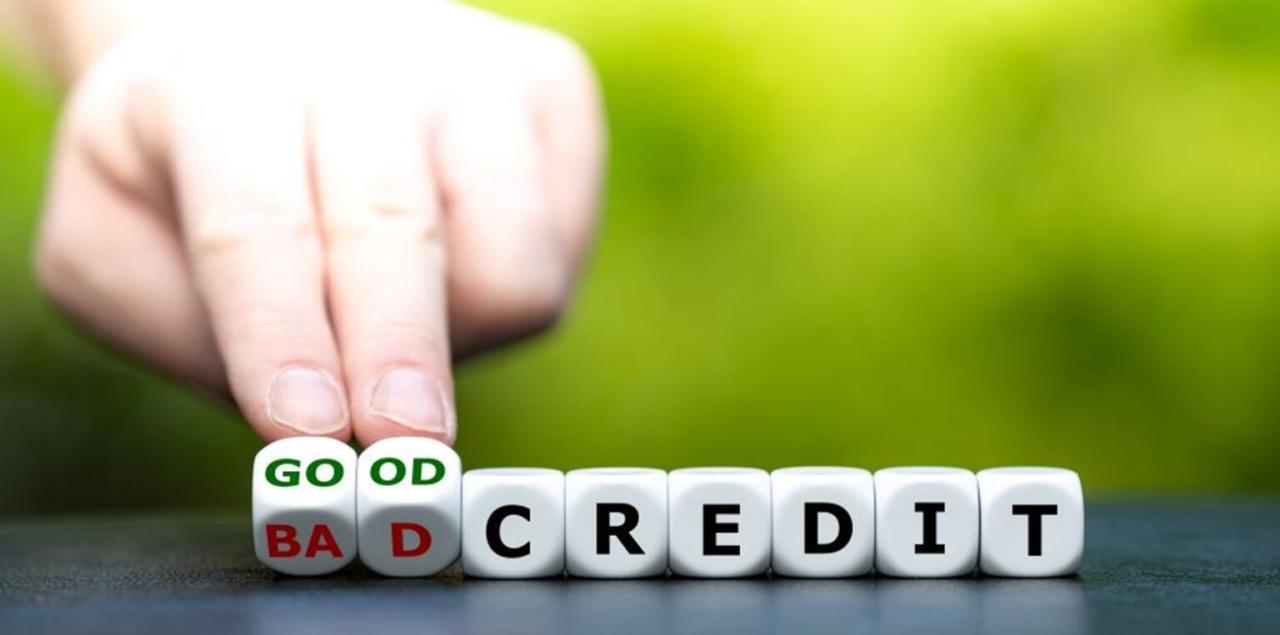
Understanding the importance of a diverse credit mix is the first step, but actively improving it requires strategic planning and execution. Whether you’re looking to establish a healthier mix from scratch or optimize an existing one, there are actionable steps you can take to make a positive impact on your credit profile.
Approaching New Credit Accounts Strategically
Opening new credit accounts should be a deliberate decision, not an impulsive one. Each new account application can affect your credit score, so it’s essential to approach this process with a clear understanding of your goals and how the new account will contribute to a better credit mix. Consider the types of credit you currently have and identify any gaps that a new account could fill.
For instance, if you primarily have credit cards, exploring an installment loan, such as a personal loan or a small auto loan, could be beneficial. Conversely, if you have installment loans but no revolving credit, a secured credit card or a small retail card could be a good addition.
When considering a new account, look for products that align with your long-term financial goals and offer favorable terms. It’s also wise to research the specific requirements and potential impact on your credit score before applying. Some institutions offer pre-qualification tools that allow you to check your likelihood of approval without a hard inquiry on your credit report, which can be a helpful first step.
Managing and Optimizing Existing Accounts
The management of your current credit accounts plays a crucial role in your credit mix. It’s not just about opening new accounts, but also about how you handle what you already have. For revolving credit, such as credit cards, maintaining low credit utilization ratios (ideally below 30%, and even better below 10%) is paramount. This demonstrates responsible borrowing behavior and positively influences your credit score.
Regularly paying down balances, even if you’re not carrying a balance month-to-month, is a good practice.
Regarding installment loans, consistent and on-time payments are key. Successfully managing these loans over time showcases your ability to handle fixed repayment schedules. When it comes to deciding whether to close an existing account, consider the potential impact on your credit utilization ratio and the length of your credit history. Closing a credit card, especially one with a high credit limit, could increase your overall credit utilization if you carry balances on other cards.
It might also reduce the average age of your credit accounts, which can have a minor negative effect on your score. Therefore, it’s often more beneficial to keep older, unused credit cards open and in good standing, provided they don’t have annual fees that outweigh their benefits.
If an account is no longer serving your needs or is costing you in fees, evaluate its impact carefully. Sometimes, a strategic closure might be necessary, but it should be done after considering all factors. For example, if you have multiple retail store cards with high interest rates and low credit limits, closing one or two might simplify your financial life and have a minimal negative impact if your overall utilization remains low and you have other, more substantial credit lines.
Diversifying Your Credit Portfolio
Building a well-rounded credit mix involves a conscious effort to include different types of credit. This doesn’t mean opening accounts you don’t need, but rather strategically adding credit types that demonstrate your ability to manage various financial obligations responsibly. A common goal is to have a combination of revolving credit (like credit cards) and installment credit (like mortgages, auto loans, or personal loans).
The exact proportion isn’t as critical as demonstrating responsible management of each type.
For individuals with limited credit history, starting with a secured credit card or a credit-builder loan can be an excellent way to introduce a new credit type. As your credit history grows and your financial situation allows, you might consider other forms of credit that align with your needs, such as a small personal loan to consolidate other debts or a car loan if you need a vehicle.
The key is to ensure that each new credit product is used responsibly, with timely payments and managed balances, contributing positively to your overall creditworthiness.
Outcome Summary
In essence, a well-managed credit mix is a powerful tool for demonstrating your financial responsibility and creditworthiness. By understanding its components and implementing the strategies discussed, you can cultivate a robust credit profile that opens doors to better financial opportunities and strengthens your overall financial health for years to come.