Embarking on the journey of rebuilding your credit can feel like a significant undertaking, often accompanied by a desire to maintain consistent motivation. This guide is thoughtfully prepared to illuminate the path forward, offering practical strategies and insightful perspectives to keep your spirits high and your efforts focused. We aim to provide a clear, encouraging, and actionable roadmap for anyone dedicated to improving their financial standing.
Understanding the foundational elements of credit, setting realistic goals, cultivating effective financial habits, and proactively managing your credit are all crucial components. This exploration delves into navigating challenges, leveraging helpful tools, and ultimately visualizing a brighter, more secure financial future. By focusing on sustained motivation, the process of credit rebuilding becomes not just manageable, but a truly empowering experience.
Understanding the Foundation of Credit Rebuilding

Embarking on the journey of rebuilding your credit is a significant step towards financial well-being. This process requires a solid understanding of what constitutes your credit and how your actions influence its trajectory. By grasping these fundamental principles, you can approach credit rebuilding with clarity and purpose, setting yourself up for success.Your credit report is a detailed record of your borrowing and repayment history, serving as the bedrock of your credit score.
Understanding its components and how they are affected by your rebuilding efforts is crucial for making informed decisions and tracking your progress effectively.
Components of a Credit Report and Their Impact
A credit report is comprised of several key sections, each contributing to your overall creditworthiness. When you begin rebuilding, your actions in these areas will directly influence how lenders perceive your risk.
- Payment History: This is the most critical factor, accounting for approximately 35% of your credit score. On-time payments are essential, while late payments, defaults, and collections significantly damage your score. Rebuilding involves consistently making payments on time for all your accounts.
- Amounts Owed (Credit Utilization): This refers to the amount of credit you are using compared to your total available credit. Keeping your credit utilization ratio low, ideally below 30%, is vital. High utilization suggests you may be overextended and can negatively impact your score.
- Length of Credit History: A longer history of responsible credit use generally leads to a higher score. Rebuilding efforts should focus on maintaining existing accounts in good standing and opening new ones strategically, rather than closing older ones, to preserve your history length.
- Credit Mix: Having a variety of credit types, such as credit cards, installment loans (like mortgages or car loans), can be beneficial. However, this factor has a smaller impact on your score. It’s not advisable to open new accounts solely to improve credit mix; focus on responsible management of existing and necessary credit.
- New Credit: Opening multiple new credit accounts in a short period can signal increased risk and temporarily lower your score. Applying for credit only when needed and spacing out applications is a sound strategy during rebuilding.
Reasons for Credit Score Decline and Timeframes for Improvement
Understanding why credit scores fall is the first step to preventing further damage and initiating recovery. The timeframe for seeing improvements varies depending on the severity of the issues and the consistency of your rebuilding efforts.Common reasons for a declining credit score include:
- Missed or late payments.
- High credit card balances, leading to high credit utilization.
- Defaulting on loans or credit obligations.
- Foreclosures or repossessions.
- Accumulating too much debt.
- Identity theft or fraudulent activity.
The timeframe for seeing improvements is not immediate, as credit scoring models consider historical data. However, with consistent positive behavior, you can begin to see changes.
For minor issues like a single late payment, you might start seeing improvements within 3-6 months of consistent on-time payments. For more significant issues like collections or charge-offs, it can take 12-24 months or longer to see substantial positive movement, as these negative marks remain on your report for up to seven years.
Obtaining and Understanding Your Credit Reports
Accessing and thoroughly understanding your credit reports from the major credit bureaus is a non-negotiable part of credit rebuilding. This allows you to identify errors, track your progress, and understand the specific factors influencing your score.You are entitled to a free copy of your credit report from each of the three major credit bureaus (Equifax, Experian, and TransUnion) every 12 months.
This can be obtained through the official website, AnnualCreditReport.com.
- Equifax: Visit their official website or call their designated number.
- Experian: Access through their website or by phone.
- TransUnion: Available via their website or phone service.
When reviewing your reports, pay close attention to:
- Personal information accuracy (name, address, Social Security number).
- Account details (account numbers, balances, payment history).
- Inquiries (both hard and soft inquiries).
- Public records (bankruptcies, liens).
If you find any inaccuracies, it is crucial to dispute them immediately with the respective credit bureau.
Psychological Impact of a Low Credit Score and the Importance of a Positive Mindset
A low credit score can have a profound psychological impact, often leading to feelings of frustration, shame, and hopelessness. This can create a cycle where the stress of a low score makes it harder to take the necessary steps to improve it.Recognizing and addressing this psychological toll is as important as the practical steps of credit rebuilding. A low credit score can affect your ability to rent an apartment, secure a loan, get favorable insurance rates, and even impact employment opportunities.
These limitations can breed anxiety and a sense of being stuck.Cultivating a positive mindset is therefore a cornerstone of successful credit rebuilding.
- Acknowledge and Accept: Understand that a low score is a reflection of past circumstances, not your inherent worth. Accept where you are without dwelling on negativity.
- Focus on Progress, Not Perfection: Celebrate small victories, such as making an on-time payment or reducing your credit utilization. Each positive step, no matter how small, contributes to your overall goal.
- Educate Yourself: Knowledge is empowering. The more you understand about credit and financial management, the more in control you will feel.
- Seek Support: Connect with financial advisors, credit counselors, or support groups. Sharing your journey and challenges can provide encouragement and practical advice.
- Visualize Success: Imagine the financial freedom and opportunities that will become available as your credit score improves. This can serve as a powerful motivator.
Remember that rebuilding credit is a marathon, not a sprint. Maintaining a positive outlook, coupled with consistent, responsible financial habits, will pave the way for a stronger financial future.
Setting Realistic Goals and Milestones
Embarking on a credit rebuilding journey requires a clear roadmap. Setting realistic goals and breaking them down into manageable milestones is crucial for sustained motivation and tangible progress. Without this structure, the process can feel overwhelming, leading to discouragement. A well-defined plan ensures you know where you’re going and how to get there, celebrating each step along the way.The foundation of successful credit rebuilding lies in establishing achievable objectives.
This involves understanding your current credit standing and defining what you want to accomplish. By setting both short-term and long-term goals, you create a balanced approach that addresses immediate needs while working towards a healthier financial future.
Framework for Setting Achievable Goals
A robust framework for setting credit rebuilding goals incorporates elements that ensure they are both ambitious and attainable. This involves a cyclical process of assessment, planning, execution, and review. By consistently engaging with this framework, you can adapt your strategy as your circumstances evolve and maintain a proactive stance.The following components are essential for designing this framework:
- Current Credit Assessment: Before setting goals, obtain your credit reports from all three major bureaus (Equifax, Experian, and TransUnion) and review them thoroughly. Identify areas needing improvement, such as late payments, high credit utilization, or outstanding debt.
- Vision of Future Credit Health: Envision your ideal credit score and financial standing. This “north star” will guide your goal-setting process and provide long-term motivation. Consider what achieving this vision will enable you to do, such as securing a lower interest rate on a mortgage or car loan.
- Short-Term Goal Definition: These are immediate, actionable steps that contribute to your overall objective. They should be relatively easy to achieve and provide early wins to build confidence.
- Long-Term Goal Definition: These are the broader objectives that you aim to accomplish over a longer period, typically 6 months to several years. They represent significant improvements in your credit profile.
- Milestone Identification: Break down each long-term goal into smaller, measurable steps or milestones. These are the checkpoints that mark your progress along the way.
- Action Planning: For each milestone, define the specific actions you need to take. This might involve creating a budget, contacting creditors, or setting up automatic payments.
- Regular Review and Adjustment: Periodically review your progress against your goals and milestones. Be prepared to adjust your plan based on your performance, changing financial situations, or new information.
Sample Credit Rebuilding Plan
To illustrate how to translate a framework into action, consider this sample plan designed to improve credit scores over a 12-month period. This plan assumes a starting point with some credit challenges and aims for consistent, steady progress.This plan breaks down the credit rebuilding process into manageable steps, focusing on key areas of credit management:
- Month 1-3: Stabilize and Reduce High Utilization
- Goal: Reduce credit card utilization ratio to below 30% on all cards.
- Milestones:
- Contact credit card companies to request a credit limit increase (if applicable and strategically beneficial).
- Make minimum payments on all cards, plus an additional amount towards the card with the highest utilization.
- Avoid opening new credit accounts during this period.
- Actions: Create a detailed budget to identify funds for extra debt payments.
- Month 4-6: Address Late Payments and Outstanding Debt
- Goal: Ensure all accounts are current and begin systematically paying down smaller debts.
- Milestones:
- Set up automatic payments for all recurring bills to prevent future late payments.
- Prioritize paying off one small outstanding debt (e.g., a medical bill or small personal loan) using a debt snowball or avalanche method.
- Dispute any inaccuracies found on credit reports.
- Actions: Research debt management strategies and choose the most suitable one.
- Month 7-9: Build Positive Payment History and Explore Secured Options
- Goal: Continue positive payment history and potentially open a secured credit card.
- Milestones:
- Maintain a perfect on-time payment record for all existing accounts.
- If appropriate, apply for a secured credit card to establish a new, positive credit line.
- Use the secured card for small, recurring purchases and pay the balance in full each month.
- Actions: Research reputable secured credit card providers.
- Month 10-12: Consolidate and Monitor Progress
- Goal: Continue to reduce overall debt and monitor credit score improvement.
- Milestones:
- Focus on paying down larger debts or consider a debt consolidation loan if beneficial and approved.
- Obtain updated credit reports to track score changes and identify further areas for improvement.
- Continue disciplined credit usage and payment habits.
- Actions: Evaluate the effectiveness of the debt consolidation strategy.
Specific, Measurable, Achievable, Relevant, and Time-Bound (SMART) Goals
The SMART framework is an indispensable tool for crafting effective goals that drive progress in credit rebuilding. By adhering to these criteria, you ensure your objectives are clear, actionable, and contribute directly to your overall financial well-being.Here are examples of SMART goals for credit improvement:
- Specific: “Reduce my credit card utilization ratio on my Visa card from 75% to 30%.”
- Measurable: “Pay down $1,000 of my outstanding credit card balance.”
- Achievable: “Make on-time payments for all my credit accounts for the next six consecutive months.” (This is achievable if current payments are being made, or with a structured plan to ensure timely payments.)
- Relevant: “Apply for a secured credit card to build a positive payment history, which is relevant to improving my overall credit score.”
- Time-Bound: “Reduce my total credit card debt by 15% within the next nine months.”
A combination of these elements creates powerful, actionable goals. For instance:
“I will pay down $500 of my outstanding balance on my Mastercard by making an extra $100 payment each month for the next five months, aiming to reduce my utilization ratio from 80% to 65%.”
Celebrating Small Victories to Maintain Momentum
The credit rebuilding process can be long, and maintaining motivation is key. Recognizing and celebrating small victories along the way provides positive reinforcement and helps you stay engaged with your plan. These acknowledgments of progress, no matter how minor they may seem, can significantly impact your long-term commitment.The act of celebrating serves as a powerful psychological tool. It transforms the often-arduous task of credit repair into a journey with rewarding checkpoints.
This positive feedback loop encourages continued effort and prevents burnout.Here are ways to effectively celebrate your progress:
- Acknowledge Each Milestone: When you achieve a milestone, such as reducing credit utilization or paying off a small debt, take a moment to consciously recognize your accomplishment. This could be as simple as noting it in a journal or sharing it with a trusted friend or family member.
- Reward Yourself (Sensibly): Plan small, affordable rewards for hitting significant milestones. This could be a nice meal out, a new book, or a relaxing activity. The reward should be proportional to the achievement and should not derail your financial progress. For example, if you successfully paid off a debt, treat yourself to a movie night instead of impulse buying an expensive item.
- Visualize Your Progress: Use visual aids to track your journey. This could be a progress chart on your wall, a spreadsheet that shows your credit score increasing, or a visual representation of debt reduction. Seeing your progress physically can be highly motivating.
- Revisit Your “Why”: Remind yourself of the reasons you started this journey. Whether it’s to buy a home, secure a better car loan, or simply achieve financial peace of mind, reconnecting with your ultimate goals can reignite your drive.
- Share Your Successes: Discuss your achievements with supportive individuals. Sharing your wins can provide encouragement and accountability. Positive feedback from others can be a significant morale booster.
Developing Effective Financial Habits
Embarking on the journey of credit rebuilding is not just about addressing past mistakes; it’s fundamentally about cultivating a healthier relationship with your finances moving forward. This involves establishing robust habits that provide clarity, control, and a solid foundation for long-term financial well-being. By integrating specific practices into your daily and weekly routines, you can transform your approach to money management, making credit rebuilding a more sustainable and less daunting process.The cornerstone of effective financial management, especially during credit rebuilding, is a well-structured budget.
A budget acts as your financial roadmap, guiding your spending and ensuring your resources are allocated purposefully towards your credit improvement goals. Without a clear understanding of where your money goes, it’s challenging to identify opportunities for savings or to make informed decisions about debt repayment.
The Role of Budgeting in Managing Finances
A budget is an indispensable tool that empowers you to take control of your financial life. It provides a clear overview of your income and expenses, allowing you to identify areas where you can potentially reduce spending and allocate more funds towards debt reduction and savings. This proactive approach is crucial for rebuilding credit, as it demonstrates financial discipline and a commitment to responsible money management.A budget serves multiple vital functions in the credit rebuilding process:
- Income Tracking: It provides a precise record of all your incoming funds, ensuring you have a realistic picture of your financial capacity.
- Expense Management: It categorizes your spending, making it easy to see where your money is going and identify non-essential expenditures.
- Goal Alignment: It allows you to consciously align your spending with your credit rebuilding objectives, prioritizing debt repayment and savings over discretionary purchases.
- Preventing Overspending: By setting spending limits for different categories, a budget acts as a safeguard against impulse purchases and helps you stay within your means.
Practical Methods for Tracking Expenses and Identifying Savings
To effectively manage your finances and identify areas for potential savings, consistent expense tracking is paramount. This process not only reveals your spending patterns but also highlights opportunities to redirect funds towards your credit rebuilding goals. Several practical methods can be employed to achieve this, catering to different preferences and technological capabilities.Here are some effective methods for tracking expenses and uncovering savings:
- Digital Budgeting Apps: Numerous mobile applications and online platforms are designed to automate expense tracking. These apps often link to your bank accounts and credit cards, categorizing transactions automatically. Popular examples include Mint, YNAB (You Need A Budget), and PocketGuard. They offer visual reports and insights into your spending habits, making it easier to spot trends and areas for reduction.
- Spreadsheets: For those who prefer a more hands-on approach, creating a custom spreadsheet using software like Microsoft Excel or Google Sheets can be highly effective. You can tailor the categories to your specific needs and input data manually or import it from your bank statements. This method offers maximum flexibility and control over your financial data.
- Pen and Paper: A simple notebook can be a surprisingly effective tool for expense tracking. Carry it with you and jot down every purchase, no matter how small. At the end of each day or week, review your entries and categorize them. This tactile method can foster a greater sense of awareness about your spending.
- Envelope System: This is a cash-based budgeting method where you allocate a specific amount of cash for each spending category (e.g., groceries, entertainment) into separate envelopes. Once an envelope is empty, you cannot spend any more in that category until the next budgeting period. This visual and tangible method helps prevent overspending by limiting available funds.
Identifying potential savings often stems directly from this tracking. Once you have a clear picture of your expenses, look for categories where you can realistically cut back. This might involve reducing dining out, canceling unused subscriptions, negotiating bills, or finding more affordable alternatives for everyday purchases.
Strategies for Creating a Debt Repayment Plan
A structured debt repayment plan is essential for systematically reducing your outstanding balances and improving your credit utilization ratio, a key factor in credit scoring. Two popular and effective strategies are the debt snowball and debt avalanche methods. Both aim to eliminate debt, but they approach it from different psychological and mathematical angles.
The Debt Snowball Method
This method focuses on psychological wins to maintain motivation. You pay the minimum on all debts except for the smallest one, which you attack with any extra funds you can muster. Once the smallest debt is paid off, you roll the money you were paying towards it into the payment for the next smallest debt, creating a snowball effect.
The debt snowball method prioritizes paying off debts from smallest balance to largest, regardless of interest rate.
The steps for implementing the debt snowball method are:
- List all your debts from smallest balance to largest balance.
- Make minimum payments on all debts except the smallest one.
- Pay as much extra as possible on the smallest debt until it is paid off.
- Once the smallest debt is eliminated, add its minimum payment plus any extra payment to the minimum payment of the next smallest debt.
- Repeat this process, snowballing your payments, until all debts are paid off.
The Debt Avalanche Method
This method is mathematically driven and aims to save you the most money on interest over time. You pay the minimum on all debts except for the one with the highest interest rate, which you aggressively pay down. Once that debt is cleared, you move on to the debt with the next highest interest rate.
The debt avalanche method prioritizes paying off debts with the highest interest rates first, saving you money on interest in the long run.
The steps for implementing the debt avalanche method are:
- List all your debts from highest interest rate to lowest interest rate.
- Make minimum payments on all debts except the one with the highest interest rate.
- Pay as much extra as possible on the debt with the highest interest rate until it is paid off.
- Once the highest-interest debt is eliminated, add its minimum payment plus any extra payment to the minimum payment of the debt with the next highest interest rate.
- Repeat this process, tackling the highest interest rates first, until all debts are paid off.
Choosing between these methods often depends on your personal preference for motivation versus mathematical efficiency. Both are powerful tools for debt reduction.
Building an Emergency Fund and Its Significance
An emergency fund is a crucial component of financial security, especially when you are actively rebuilding your credit. It acts as a safety net, preventing unexpected expenses from derailing your progress or forcing you back into debt. Without an emergency fund, a single unforeseen event, such as a medical bill or a car repair, can lead to missed payments, increased credit utilization, and further damage to your credit score.The significance of an emergency fund in credit rebuilding cannot be overstated:
- Prevents New Debt: When unexpected costs arise, having readily available cash means you don’t have to resort to credit cards or loans, which can negatively impact your credit utilization and introduce new interest charges.
- Maintains Payment Consistency: It ensures you can continue to make timely payments on your existing obligations, a critical factor in demonstrating reliability to credit bureaus.
- Reduces Financial Stress: Knowing you have a buffer for emergencies can significantly reduce anxiety and allow you to focus more effectively on your credit rebuilding strategy.
- Supports Long-Term Goals: By preventing setbacks, an emergency fund helps you stay on track with your broader financial goals, including improving your credit score and achieving financial independence.
The recommended size for an emergency fund typically ranges from three to six months of essential living expenses. Starting small is key; even a few hundred dollars can make a significant difference. You can build this fund by:
- Setting aside a small, fixed amount from each paycheck.
- Using windfalls like tax refunds or bonuses.
- Cutting back on non-essential spending and directing those savings to the fund.
It is advisable to keep your emergency fund in a separate, easily accessible savings account, distinct from your checking account, to avoid accidentally spending it. This dedicated fund is an investment in your financial stability and a powerful ally in your credit rebuilding journey.
Proactive Credit Management Techniques

Rebuilding credit is not just about fixing past mistakes; it’s also about establishing and maintaining healthy financial habits moving forward. Proactive credit management involves actively monitoring your credit and implementing strategies to ensure it continues to improve. This section will delve into key techniques to keep your credit on a positive trajectory.
Making timely payments is the cornerstone of a strong credit history. Payment history accounts for a significant portion of your credit score, so consistency is paramount. Beyond just credit cards, this includes loans, mortgages, and even utility bills if they are reported to credit bureaus. Falling behind on payments can quickly negate the progress you’ve made in rebuilding your credit.
On-Time Payment Strategies
To ensure you never miss a payment, consider implementing the following strategies:
- Set Up Automatic Payments: For recurring bills, setting up automatic payments from your bank account can prevent oversight. Ensure you have sufficient funds in your account to cover these payments.
- Utilize Calendar Reminders: For bills that cannot be automated, set up calendar alerts a few days before the due date on your phone or computer.
- Adopt a Payment Schedule: If you have multiple bills with different due dates, create a consistent schedule for paying them, perhaps all on the same day each month.
- Communicate with Lenders: If you anticipate difficulty making a payment, contact your lender
-before* the due date. They may be willing to work with you on a temporary arrangement.
Managing Credit Utilization Ratios
Credit utilization is the amount of credit you are using compared to your total available credit. Keeping this ratio low is crucial for a healthy credit score. High utilization can signal to lenders that you are overextended financially.
- Understanding the Ratio: The credit utilization ratio is calculated by dividing the total balance on your credit cards by your total credit limit. For example, if you have a $1,000 balance on a card with a $5,000 limit, your utilization on that card is 20%.
- Aim for Low Utilization: Ideally, aim to keep your credit utilization below 30% across all your credit cards. Even lower, such as below 10%, can be more beneficial for your score.
- Strategies to Lower Utilization:
- Pay Down Balances: The most direct way to lower utilization is to pay down outstanding balances. Focus on paying more than the minimum payment whenever possible.
- Request Credit Limit Increases: If you have a good payment history with a particular card issuer, you may be able to request a credit limit increase. This will increase your total available credit, thereby lowering your utilization ratio if your balances remain the same.
- Avoid Maxing Out Cards: Never let your balances get close to your credit limit, as this significantly harms your credit utilization ratio.
- Spread Balances: If possible, spread your balances across multiple credit cards rather than concentrating them on one.
The key to managing credit utilization is to use credit responsibly and to keep your balances significantly lower than your available credit limits.
Common Credit Rebuilding Pitfalls to Avoid
While diligently working to rebuild credit, it’s important to be aware of common mistakes that can hinder your progress or even set you back. Avoiding these pitfalls is as important as implementing positive strategies.
- Closing Old Credit Accounts: While it might seem intuitive to close accounts you no longer use, this can actually hurt your credit. Closing an account reduces your total available credit, which can increase your credit utilization ratio, and it also removes a positive payment history from your credit report if the account was in good standing.
- Applying for Too Much Credit at Once: Each time you apply for new credit, a hard inquiry is placed on your credit report, which can slightly lower your score. Applying for multiple credit products in a short period can signal to lenders that you are a higher risk.
- Ignoring Credit Report Errors: It’s essential to regularly check your credit reports from all three major bureaus (Equifax, Experian, and TransUnion) for any inaccuracies. Errors can negatively impact your score, and it’s your right to have them corrected.
- Falling for “Credit Repair” Scams: Be wary of companies that promise to instantly remove accurate negative information from your credit report or charge exorbitant fees for services you can do yourself. Legitimate credit repair takes time and consistent effort.
- Carrying Balances on Secured Cards Indefinitely: While secured credit cards are excellent tools for rebuilding credit, the goal is to eventually graduate to unsecured credit. Don’t keep a secured card open indefinitely if you can obtain better unsecured options.
- Missing Minimum Payments: Even a single missed minimum payment can have a substantial negative impact on your credit score and can restart the rebuilding process.
Credit-Building Products and Services
Several financial products and services are specifically designed to help individuals rebuild their credit. Understanding their features, benefits, and drawbacks is key to choosing the right ones for your situation.
| Product/Service | Pros | Cons |
|---|---|---|
| Secured Credit Cards | Require a cash deposit as collateral, making them easier to obtain. Excellent for establishing or rebuilding credit history. Payments are typically reported to credit bureaus. | Require an upfront cash deposit. Credit limits are often low, based on the deposit amount. May have annual fees or higher interest rates. |
| Credit-Builder Loans | A loan where the borrowed amount is held in a savings account by the lender and released to you after you’ve made all the payments. Payments are reported to credit bureaus, helping to build payment history. | You don’t have immediate access to the loan funds. May involve interest charges and fees. The loan amount is often small. |
| Secured Loans (e.g., Auto Loans, Mortgages) | Using an asset you own (like a car or home) as collateral can make it easier to qualify for a loan. Responsible repayment builds positive credit history. | Risk of losing your collateral if you default on payments. May require a down payment. Typically involve larger sums and longer repayment terms. |
| Authorized User Status | Being added as an authorized user to a credit card account with a responsible primary cardholder can allow you to benefit from their positive credit history. | The primary cardholder’s poor financial habits can negatively impact your credit. You are not legally responsible for the debt, but the account activity reflects on your report. The primary cardholder may revoke your status at any time. |
| Rent and Utility Reporting Services | Some services allow you to report your on-time rent and utility payments to credit bureaus, which can help boost your score, especially if you have limited credit history. | Not all lenders or credit scoring models consider this information. There may be fees associated with these services. The reporting may not be as impactful as traditional credit accounts. |
Navigating Challenges and Setbacks

Rebuilding credit is a journey, and like any significant endeavor, it’s often marked by unexpected turns and moments that test your resolve. It’s crucial to anticipate these challenges and equip yourself with strategies to overcome them, ensuring that setbacks do not derail your progress. This section focuses on acknowledging and managing the emotional and practical hurdles that can arise during credit rebuilding.Understanding and addressing the emotional impact of slow progress is fundamental to maintaining momentum.
It is common to feel discouraged, frustrated, or even defeated when the results you desire do not materialize as quickly as anticipated. These feelings are valid, but they should not be allowed to dictate your actions or lead to abandonment of your plan.
Emotional Responses to Slow Progress
The path to credit rebuilding can feel lengthy, and experiencing a range of emotions is a natural part of the process. Recognizing these feelings and understanding their origins is the first step toward managing them effectively.
- Frustration and Impatience: Witnessing minimal changes in your credit score despite consistent effort can lead to intense frustration. This is often fueled by the desire for quick fixes and the pressure to achieve financial stability rapidly.
- Discouragement and Doubt: When progress is slow, it’s easy to start doubting the effectiveness of your strategies or your ability to achieve your goals. This can manifest as a feeling of hopelessness.
- Anxiety and Stress: The underlying financial pressures that necessitated credit rebuilding can be exacerbated by perceived slow progress, leading to increased anxiety and stress about the future.
- Comparison to Others: Observing peers or online success stories that seem to achieve faster results can intensify feelings of inadequacy and impatience.
Techniques for Staying Motivated During Financial Challenges
Unexpected financial events can significantly impact your credit rebuilding efforts. Having a robust plan to navigate these disruptions is key to maintaining motivation and preventing a complete derailment of your progress.
- Revisit Your “Why”: Remind yourself of the core reasons you embarked on this credit rebuilding journey. This could be to secure a mortgage, obtain a better car loan, or simply achieve greater financial peace of mind. Visualizing the end goal can be a powerful motivator.
- Focus on Controllables: When external factors create challenges, shift your focus to aspects of your financial life that you can control. This might involve reinforcing good spending habits, sticking to your budget, or continuing to make on-time payments, even if the overall score isn’t moving as expected.
- Celebrate Small Wins: Acknowledge and celebrate every positive step, no matter how small. This could be a slight improvement in your credit utilization ratio, avoiding an overdraft fee, or successfully sticking to your budget for a week. These victories build momentum.
- Practice Self-Compassion: Understand that setbacks are part of life. Avoid harsh self-criticism. Treat yourself with the same understanding and encouragement you would offer a friend facing similar challenges.
The Importance of Professional Support
Navigating complex financial situations and the emotional toll of credit rebuilding can be overwhelming. Seeking guidance from qualified professionals offers invaluable support and practical solutions.Financial advisors and credit counseling services are equipped with the expertise to provide personalized strategies and objective advice. They can help you understand intricate credit reporting details, negotiate with creditors, and develop a sustainable financial plan.
Their guidance can prevent costly mistakes and provide a structured approach to overcoming obstacles. For instance, a credit counselor can assist in setting up debt management plans or advise on disputing erroneous information on your credit report, actions that might be difficult to undertake alone.
Seeking professional guidance is not a sign of weakness, but a testament to your commitment to achieving financial health.
Re-evaluating and Adjusting Your Credit Rebuilding Plan
Life is dynamic, and your credit rebuilding plan should be adaptable. Circumstances change, and what worked initially may need refinement to remain effective. A proactive approach to re-evaluation ensures your plan stays relevant and achievable.To re-evaluate and adjust your credit rebuilding plan effectively, consider the following steps:
- Regular Performance Review: Schedule regular check-ins, perhaps quarterly or semi-annually, to review your progress against your initial goals. Examine your credit reports and scores to identify trends and areas of improvement or stagnation.
- Identify Root Causes of Stagnation: If progress has stalled, critically analyze your financial habits and spending patterns. Are there any recurring issues, such as impulse spending or unexpected expenses, that are hindering your progress?
- Consult with Professionals: If you are struggling to identify issues or find solutions, consult with your financial advisor or credit counselor. They can offer an objective perspective and suggest adjustments based on your specific situation.
- Modify Strategies: Based on your review and professional advice, make necessary modifications to your plan. This might involve adjusting your budget, changing your debt repayment strategy, or focusing on specific credit-building tools. For example, if increasing your credit limit is proving difficult, you might focus more intensely on reducing your current utilization ratio.
- Set New, Realistic Milestones: If your original timeline needs adjustment due to unforeseen challenges, set new, achievable milestones. This helps maintain motivation and provides a clear path forward. For instance, if your initial goal was to improve your score by 50 points in six months but you only achieved 20, set a new goal of 30 points over the next six months.
- Document Changes: Keep a record of all adjustments made to your plan. This documentation helps track the effectiveness of different strategies and serves as a reference for future reviews.
Leveraging Tools and Resources for Sustained Motivation
Staying motivated throughout the credit rebuilding journey is crucial for long-term success. Fortunately, a wealth of tools and resources are available to help you track your progress, stay inspired, and connect with others who share similar goals. By strategically integrating these resources into your routine, you can transform potential challenges into opportunities for growth and reinforce positive financial behaviors.This section will explore practical ways to harness technology, personal affirmations, visual aids, and community support to maintain your momentum and celebrate your achievements as you rebuild your credit.
Financial Tracking Apps for Credit Progress
Utilizing financial tracking apps can provide a clear, organized overview of your financial health and credit evolution. These tools often offer features specifically designed to monitor credit scores, spending habits, and debt repayment, making it easier to identify areas of improvement and celebrate milestones.
| App Name | Key Features for Credit Rebuilding | User Interface/Ease of Use | Cost |
|---|---|---|---|
| Credit Karma | Free credit score monitoring (TransUnion & Equifax), personalized recommendations for credit cards and loans, spending analysis. | Intuitive and user-friendly. | Free. |
| Mint | Budgeting, expense tracking, bill reminders, net worth calculation, credit score monitoring (Experian). | Clean and visually appealing. | Free. |
| Personal Capital | Investment tracking, net worth overview, budgeting, retirement planning, credit score estimation. | Sophisticated, best for users with investments. | Free (with optional paid advisory services). |
| Rocket Money (formerly Truebill) | Subscription cancellation, bill negotiation, budgeting, credit score monitoring. | Streamlined and focused on expense management. | Free (with optional premium features). |
Motivational Quotes and Daily Affirmations
Positive self-talk and consistent reminders of your goals can significantly impact your mindset and determination. Incorporating motivational quotes and affirmations into your daily routine can help reinforce your commitment to credit rebuilding and foster a resilient attitude towards financial challenges.Here are some examples you can adapt and use:
- “I am capable of managing my finances wisely and building a strong credit future.”
- “Each small step I take today brings me closer to my financial goals.”
- “I am committed to making responsible financial decisions that will benefit me long-term.”
- “My credit score is a reflection of my financial habits, and I am actively improving it.”
- “I embrace the process of rebuilding my credit with patience and perseverance.”
- “I am in control of my financial destiny.”
Creating a Visual Progress Tracker
Visualizing your progress can be a powerful motivator, making abstract goals tangible and celebrating your achievements. A visual tracker allows you to see how far you’ve come, reinforcing positive behaviors and keeping your focus sharp.To create an effective visual progress tracker:
- Choose Your Medium: This could be a physical poster board, a dedicated notebook, a spreadsheet, or a digital whiteboard. The key is to make it accessible and visible.
- Define Your Milestones: Break down your credit rebuilding journey into smaller, achievable goals. Examples include:
- Increasing credit score by X points.
- Paying off a specific debt.
- Maintaining a perfect payment history for X months.
- Reducing credit utilization ratio to X%.
- Select a Visual Representation:
- Thermometer Chart: Color in sections as you reach each milestone or a certain percentage of your overall goal.
- Progress Bar: A simple bar that fills up as you get closer to your target.
- Sticker Chart: Place a sticker for each positive action or milestone achieved.
- Debt Payoff Snowball/Avalanche Tracker: Visually represent each debt being paid off.
- Update Regularly: Make it a habit to update your tracker weekly or bi-weekly. Seeing the progress accumulate can be incredibly encouraging.
- Celebrate Small Wins: Acknowledge and reward yourself for reaching intermediate milestones. This reinforces the positive behavior and keeps motivation high.
Benefits of Online Communities and Support Groups
Connecting with others who are on a similar financial journey can provide invaluable support, encouragement, and practical advice. Online communities and support groups offer a safe space to share experiences, learn from others’ successes and failures, and combat feelings of isolation.The benefits include:
- Shared Experiences: Knowing you are not alone in your struggles can be incredibly comforting. Members often share similar challenges and solutions.
- Accountability: Publicly (or semi-publicly) sharing your goals with a supportive group can increase your commitment to achieving them.
- Diverse Perspectives: You can gain insights from a wide range of individuals with different financial backgrounds and strategies.
- Motivation and Encouragement: Members cheer each other on, offering encouragement during tough times and celebrating successes.
- Learning Opportunities: Groups often share articles, tips, and resources that can help you navigate complex financial topics.
- Reduced Stress: Discussing financial concerns with understanding individuals can alleviate stress and anxiety.
Examples of such communities can be found on platforms like Reddit (e.g., r/personalfinance, r/credit), dedicated financial forums, and social media groups focused on financial wellness and debt management.
Visualizing Success and Long-Term Financial Health
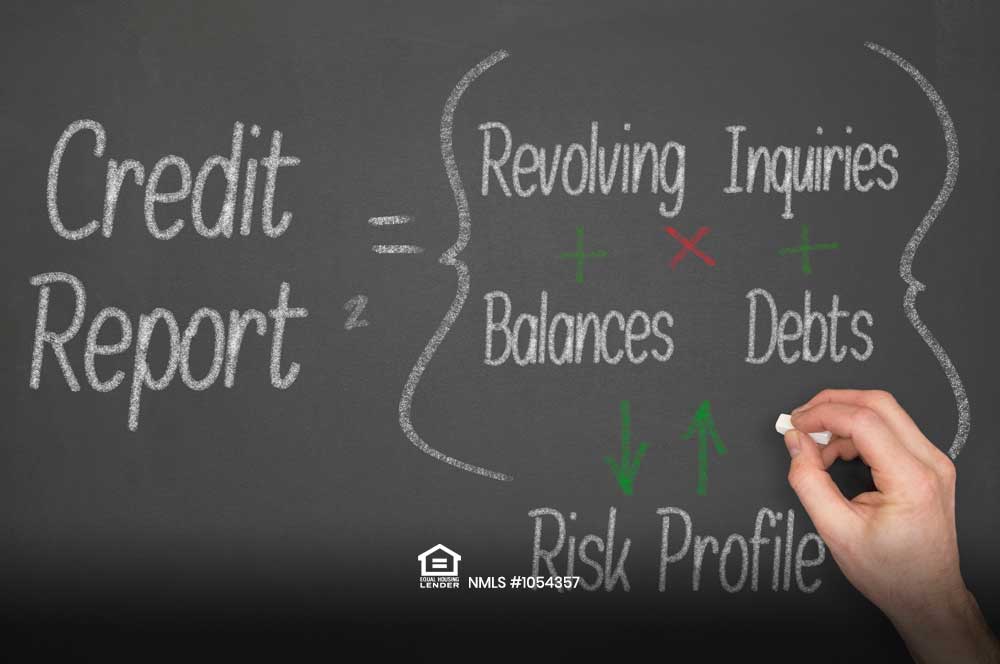
As you diligently work on rebuilding your credit, it’s crucial to maintain a strong sense of purpose and look towards the future. Visualizing your success not only fuels motivation but also provides a clear picture of the tangible benefits that a healthy credit profile will bring. This section will guide you through exercises to envision your desired financial future and establish habits that will sustain it.The journey to rebuilding credit is a marathon, not a sprint.
By focusing on the positive outcomes and the freedoms that financial well-being offers, you can stay inspired and committed to your goals. Understanding what a healthy credit future looks like can serve as a powerful motivator during challenging times.
Mental Visualization for Achieving a Good Credit Score
Engaging in mental visualization can significantly boost your motivation by making your goals feel more tangible and attainable. This practice involves actively imagining yourself experiencing the positive outcomes of your efforts.To begin this exercise, find a quiet and comfortable space where you can relax without distractions. Close your eyes and take a few deep breaths to center yourself. Now, vividly imagine yourself checking your credit report and seeing a significantly improved score.
Picture the numbers rising, representing the progress you’ve made. Feel the sense of accomplishment and pride that comes with this achievement.Next, envision yourself applying for a loan, whether it’s for a new car, a mortgage, or even a personal loan for an important life event. See yourself being approved with favorable terms and interest rates, a direct result of your diligent credit rebuilding.
Imagine the relief and excitement of knowing you have access to these financial opportunities.Consider the tangible benefits: the ability to secure a lower interest rate on a car loan, saving you thousands of dollars over the life of the loan. Picture yourself confidently shopping for a home, knowing that your credit score will open doors to better mortgage options. Imagine the peace of mind that comes with having a strong financial foundation, allowing you to handle unexpected expenses with less stress.
The Landscape of a Healthy Credit Future
A healthy credit future is characterized by financial flexibility, opportunity, and peace of mind. It’s a state where your creditworthiness empowers you rather than hinders you.A robust credit profile means you have access to a wider range of financial products and services, often with more advantageous terms. This includes:
- Lower interest rates on loans and credit cards, saving you money over time.
- Easier approval for mortgages, enabling you to purchase a home.
- Better insurance premiums, as some insurers use credit-based insurance scores.
- Increased ability to rent apartments or secure utility services without large deposits.
- Greater confidence in making significant purchases, knowing financing is readily available.
- The freedom to pursue opportunities without financial limitations, such as starting a business or investing.
This financial freedom allows you to focus on other aspects of your life, knowing that your financial foundation is solid. It reduces stress and provides a sense of security, enabling you to plan for the future with confidence.
Establishing Automated Bill Payments for Consistent Positive Credit Reporting
Consistent, on-time payments are the cornerstone of a good credit score. Setting up automated bill payments is a highly effective strategy to ensure you never miss a due date, thereby contributing positively to your credit history.The process of setting up automated payments is straightforward and can be done through your bank or directly with your service providers. Here’s a step-by-step guide:
- Identify Recurring Bills: Make a comprehensive list of all your monthly bills, including credit cards, loans, utilities, rent/mortgage, and any subscription services.
- Check Provider Options: Visit the website or contact each service provider to see if they offer automatic payment options. Most major companies do.
- Link Your Bank Account or Credit Card: You will typically need to provide your bank account details (routing and account number) or a debit/credit card number to authorize automatic payments. Ensure you have sufficient funds in your designated account.
- Set Payment Dates: Configure the payment date to be a few days before the actual due date. This buffer provides extra security against any processing delays.
- Monitor and Adjust: Regularly review your bank statements and credit card statements to confirm that automatic payments are being processed correctly. You may need to adjust payment amounts or dates if your bills fluctuate.
- Set Up Notifications: Many systems allow you to set up email or text notifications for upcoming payments or successful transactions. This adds an extra layer of awareness.
Automating these payments transforms a potentially stressful chore into a seamless process that actively builds your creditworthiness.
The Principle of Delayed Gratification for Long-Term Financial Security
Delayed gratification is the ability to resist the temptation of an immediate reward in favor of a later, more valuable reward. In the context of financial security and credit rebuilding, this principle is paramount.It involves making conscious choices today that might involve some sacrifice or waiting, but which will lead to greater financial stability and opportunities in the future. For example, choosing to save money for a down payment on a car instead of taking out a high-interest loan immediately, or opting to pay off credit card debt rather than making another discretionary purchase.This practice cultivates discipline and foresight, essential traits for managing finances effectively.
By consistently practicing delayed gratification, you build a habit of prioritizing long-term well-being over short-term desires. This can lead to:
- Accumulation of savings and investments.
- Reduction and elimination of debt.
- Increased net worth.
- Greater resilience against financial shocks.
- The ability to achieve significant financial goals, such as early retirement or financial independence.
Embracing delayed gratification is not about deprivation; it’s about strategic planning and recognizing that patience and discipline yield the most rewarding outcomes in the long run.
Last Word
As we conclude this comprehensive guide, it is clear that rebuilding credit is a journey best traveled with sustained motivation and a well-defined strategy. By embracing the principles of goal setting, diligent financial management, and proactive engagement with credit-building tools, you are well-equipped to overcome obstacles and achieve your financial aspirations. Remember, each step forward, no matter how small, contributes to a significantly improved financial future and lasting security.