Embarking on the journey of building credit can feel like navigating a complex maze, and understanding the foundational principles is your essential compass. This guide is designed to illuminate the path, helping you grasp the fundamental aspects of establishing and maintaining a healthy credit profile while dispelling common myths that can lead you astray.
We will explore the key factors that shape your credit score, identify crucial documents needed to begin, and crucially, help you recognize and steer clear of initial pitfalls like opening too many accounts at once or carrying excessive balances. By arming yourself with this knowledge, you can confidently take your first steps towards a strong financial future.
Understanding the Foundations of Credit Building
Building a strong credit profile is a cornerstone of financial health, offering access to better loan terms, rental opportunities, and even certain job prospects. It’s not about having a lot of debt, but rather demonstrating responsible financial behavior over time. Understanding the core principles and common pitfalls is the first step toward achieving your financial goals.At its heart, credit building is about establishing trust with lenders.
When you borrow money or use a credit card, you are essentially asking for a loan based on your promise to repay. Your credit history is a record of how well you’ve kept that promise in the past. A good credit history signals to lenders that you are a reliable borrower, which translates into more favorable terms and lower interest rates when you need to borrow in the future.
Primary Factors Influencing Credit Scores
Credit scores are numerical representations of your creditworthiness, calculated using complex algorithms that analyze various aspects of your financial behavior. While the exact formulas are proprietary, credit bureaus and scoring models like FICO and VantageScore consistently emphasize several key factors. Understanding these elements is crucial for making informed decisions that positively impact your score.The main components that contribute to your credit score include:
- Payment History (approximately 35% of score): This is the most significant factor. Making on-time payments for all your credit obligations, including credit cards, loans, and mortgages, is paramount. Late payments, even by a few days, can have a substantial negative impact.
- Credit Utilization Ratio (approximately 30% of score): This refers to the amount of credit you are using compared to your total available credit. Keeping this ratio low, ideally below 30%, demonstrates that you are not over-reliant on credit. For example, if you have a credit card with a $10,000 limit and a balance of $3,000, your utilization is 30%.
- Length of Credit History (approximately 15% of score): The longer you have had credit accounts open and in good standing, the more history lenders have to assess your behavior. This includes the age of your oldest account, the age of your newest account, and the average age of all your accounts.
- Credit Mix (approximately 10% of score): Having a variety of credit types, such as a mix of credit cards and installment loans (like a mortgage or auto loan), can be beneficial. However, this factor is less impactful than payment history or credit utilization.
- New Credit (approximately 10% of score): Opening multiple new credit accounts in a short period can negatively affect your score. Each time you apply for credit, a hard inquiry is placed on your report, which can slightly lower your score temporarily.
Common Misconceptions About Credit Building
The path to building credit is often clouded by misinformation, leading many individuals to make avoidable errors. Dispelling these myths is essential for developing a sound credit-building strategy.Here are some prevalent misconceptions:
- “Checking your own credit score hurts your score.” This is false. Checking your own credit report and score for informational purposes (a “soft inquiry”) does not impact your credit score. Only applications for new credit (a “hard inquiry”) can cause a minor, temporary dip.
- “You need to carry a balance to build credit.” It is not necessary to carry a balance and pay interest to build credit. Responsible use of credit cards, including paying the statement balance in full by the due date each month, is the most effective way to build a positive payment history without incurring interest charges.
- “Closing old credit cards will improve your score.” Closing older accounts, especially those with a good payment history, can actually harm your credit score. This reduces your average age of credit and can increase your credit utilization ratio if you have balances on other cards.
- “Credit is only for borrowing money.” While borrowing is a primary use, credit also influences your ability to rent an apartment, get certain jobs, and secure lower insurance premiums.
- “All debt is bad debt.” While high-interest, unsecured debt can be detrimental, responsible use of installment loans (like a mortgage or auto loan) can contribute positively to your credit mix and demonstrate your ability to manage different types of credit.
Essential Documents and Information for Credit Building
To embark on the journey of building credit, having the necessary personal and financial information readily available will streamline the process. This information is typically required by lenders and credit issuers when you apply for any form of credit.The essential documents and information you will need include:
- Proof of Identity: This typically involves a government-issued photo ID, such as a driver’s license or passport.
- Social Security Number (SSN): This is a fundamental requirement for most credit applications in the United States, as it’s used to track your credit history.
- Proof of Address: Lenders need to verify your current residential address. Utility bills, lease agreements, or bank statements showing your name and address are usually acceptable.
- Proof of Income: For many credit products, especially loans, lenders will require documentation to verify your ability to repay. This can include pay stubs, tax returns, or bank statements.
- Contact Information: This includes your current phone number and email address, which are used for communication and verification.
- Personal Financial Information: You may be asked about your employment status, monthly housing payment, and other financial obligations.
Identifying and Avoiding Initial Pitfalls
Embarking on the journey of building credit is an exciting step towards financial independence, but it’s also a path where missteps can easily occur. Understanding and actively avoiding common initial pitfalls is crucial for establishing a strong and healthy credit profile from the outset. This section will guide you through the most prevalent challenges faced by credit-building beginners and equip you with the knowledge to navigate them successfully.The early stages of credit building are often characterized by a strong desire to establish a positive history quickly.
However, this enthusiasm can sometimes lead to impulsive decisions that, while seemingly beneficial at first glance, can actually hinder progress. Being aware of these potential traps will allow you to make more informed choices that align with your long-term financial goals.
Simultaneous Opening of Multiple Credit Accounts
Opening numerous credit accounts in a short period, especially when starting from scratch, can negatively impact your credit score. Each application for credit typically results in a hard inquiry on your credit report. Multiple hard inquiries within a short timeframe can signal to lenders that you are in financial distress or are a high-risk borrower, potentially leading to a decrease in your credit score.
Furthermore, managing multiple new accounts can become overwhelming, increasing the likelihood of missed payments or high utilization.It is advisable to focus on establishing credit with one or two well-chosen accounts initially. This allows you to concentrate on managing these accounts responsibly, making timely payments, and keeping balances low, which are the cornerstones of good credit building.
Carrying High Balances on New Credit Lines
A significant factor influencing your credit score is your credit utilization ratio, which is the amount of credit you are using compared to your total available credit. Carrying high balances on new credit lines, even if you make minimum payments, can lead to a high credit utilization ratio. This can significantly lower your credit score, as lenders view it as a sign of financial strain and increased risk.
For example, if you have a credit card with a $1,000 limit and carry a balance of $800, your utilization ratio is 80%, which is considered very high and detrimental to your score.Maintaining a low credit utilization ratio, ideally below 30% and even better below 10%, is a key strategy for building good credit. This means paying down balances as much as possible each month, rather than just making the minimum payment.
Recognizing and Avoiding Predatory Credit Offers
Predatory credit offers are designed to trap consumers, often those new to credit, with exorbitant fees, extremely high interest rates, and unfavorable terms. These offers can come in various forms, such as “guaranteed approval” credit cards with substantial annual fees, or payday loans with astronomical Annual Percentage Rates (APRs). It is crucial to be discerning and to recognize the red flags associated with such offers.Strategies for avoiding predatory credit offers include:
- Scrutinizing Fees: Be wary of offers that charge significant upfront fees, especially for a credit card that has not yet been earned. Legitimate credit-building products typically have modest or no upfront fees.
- Examining Interest Rates: Pay close attention to the APR. Predatory loans often have APRs in the triple digits, which can quickly lead to unmanageable debt.
- Reading the Fine Print: Always read the terms and conditions carefully. Understand the grace periods, late fees, over-limit fees, and any other charges that may apply.
- Researching the Lender: Before accepting any offer, research the company offering the credit. Look for reviews, check with consumer protection agencies, and ensure they are a reputable financial institution.
- Being Skeptical of “Guaranteed Approval”: While some credit-building products are designed for those with no credit history, true “guaranteed approval” without any credit assessment might indicate a predatory offer.
Comparison of Secured vs. Unsecured Credit Products for Beginners
When starting to build credit, beginners often have a choice between secured and unsecured credit products. Each has distinct characteristics and impacts on credit building.
Secured Credit Products
Secured credit cards and loans require a cash deposit upfront, which typically serves as the credit limit or collateral. This deposit mitigates the risk for the lender, making these products more accessible to individuals with no credit history or a poor credit score.
- How they work: You deposit a sum of money (e.g., $300) with the credit card issuer. This deposit becomes your credit limit. Your spending on the card is limited to this amount.
- Benefits: They are easier to obtain, help establish credit history with responsible use, and the deposit is usually refundable once the account is closed in good standing.
- Potential drawbacks: The credit limit is often low, and there might be annual fees associated with the card.
- Example: A secured credit card with a $500 deposit will have a $500 credit limit. By using this card for small purchases and paying them off in full each month, you demonstrate responsible credit behavior.
Unsecured Credit Products
Unsecured credit products, such as traditional credit cards and personal loans, do not require an upfront cash deposit. Approval for these products is based on your creditworthiness, which is a challenge for beginners.
- How they work: Lenders extend credit based on your perceived ability to repay, without collateral.
- Benefits: If approved, they can offer higher credit limits and more flexibility than secured options.
- Potential drawbacks: They are generally harder to obtain for individuals with no credit history, and approval often comes with higher interest rates initially.
- Example: A beginner might be approved for an unsecured credit card with a low limit (e.g., $500) and a high APR. Responsible use, like paying on time and keeping the balance low, is critical for improving creditworthiness.
For individuals new to credit building, secured credit products often serve as a more attainable and less risky entry point. They provide a tangible way to demonstrate responsible financial behavior to lenders, paving the way for access to unsecured credit products in the future.
Responsible Credit Management Practices
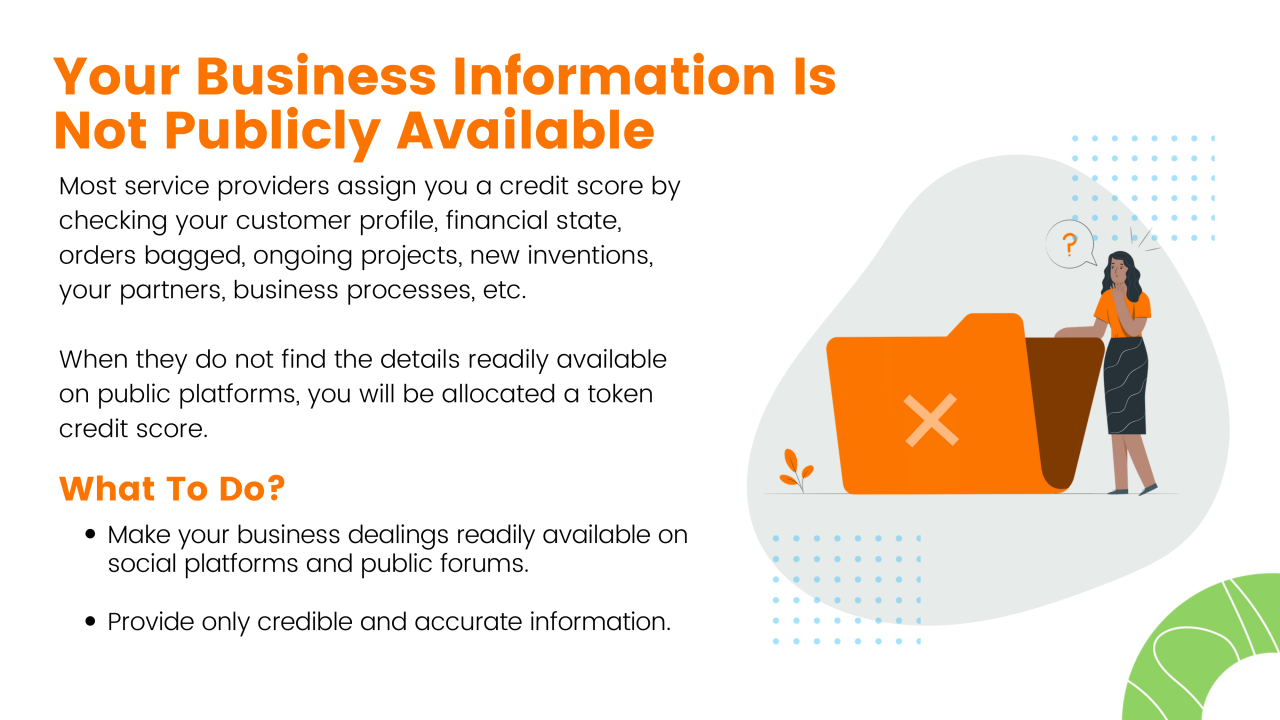
Building credit is a journey that requires ongoing attention and smart habits. Once you’ve laid the foundation, the next crucial step is to actively manage your credit accounts to ensure they contribute positively to your financial well-being. This involves understanding key metrics, staying organized with your payments, and being vigilant about the accuracy of your credit information.Adopting responsible credit management practices is not just about avoiding negative marks; it’s about strategically using credit to your advantage.
By implementing these strategies, you can maintain a healthy credit profile, which opens doors to better loan terms, lower interest rates, and greater financial flexibility.
Credit Utilization Ratio Management
The credit utilization ratio, often referred to as your credit utilization rate, is a significant factor in your credit score. It measures the amount of credit you are using compared to your total available credit. Keeping this ratio low is a powerful way to demonstrate responsible credit behavior.The general recommendation for a healthy credit utilization ratio is to keep it below 30%, though ideally below 10% for the most impactful positive effect on your credit score.
This ratio is calculated for each individual credit card and also as an overall average across all your credit accounts.
Credit Utilization Ratio = (Total Credit Used / Total Credit Available) – 100
To effectively manage and keep your credit utilization low, consider the following strategies:
- Monitor Regularly: Make it a habit to check your credit card balances frequently, not just when your statement arrives. Many credit card companies offer online dashboards or mobile apps that provide real-time balance information.
- Pay Down Balances: If you find your utilization creeping up, make payments before your statement closing date. This ensures that a lower balance is reported to the credit bureaus.
- Request Credit Limit Increases: If you have a good payment history with a credit card issuer, you may be eligible for a credit limit increase. This can lower your utilization ratio without you needing to spend less.
- Spread Balances: If you have multiple credit cards, try to distribute your spending across them rather than maxing out one card while others remain largely unused.
Prioritizing On-Time Bill Payments
Consistent, on-time payments are the cornerstone of good credit management. Late payments can have a severe and lasting negative impact on your credit score, making it harder to secure favorable financial products in the future. Organizing your finances to ensure all credit obligations are met promptly is paramount.A well-structured personal budget is the most effective tool for achieving this. It provides a clear overview of your income and expenses, allowing you to allocate funds specifically for your credit payments.Here are key steps to organize a personal budget that prioritizes on-time bill payments:
- Track All Income: Start by listing all sources of income after taxes. This gives you a realistic picture of your available funds.
- Categorize Expenses: List all your monthly expenses, dividing them into fixed costs (like rent or mortgage, loan payments) and variable costs (like groceries, entertainment).
- Allocate Funds for Credit Payments: Within your budget, explicitly earmark the exact amounts needed for each credit card, loan, and any other credit obligation. Treat these as non-negotiable expenses.
- Create a Payment Schedule: Note down the due dates for all your credit obligations. This visual aid helps you plan your payments in advance.
- Review and Adjust: Regularly review your budget, ideally monthly, to ensure it still aligns with your financial situation and spending habits. Adjust as necessary.
Setting Up Automatic Payments
One of the most effective ways to prevent late fees and ensure your bills are paid on time is by setting up automatic payments. This method removes the burden of remembering due dates and actively making payments each month, thereby safeguarding your credit score from preventable errors.Most credit card companies and lenders offer options for automatic payments, which can be configured in several ways:
- Minimum Payment: This ensures you at least avoid late fees and negative reporting, but it might not be the best strategy for paying down debt quickly or managing utilization.
- Statement Balance: This option automatically pays the full statement balance each month. It’s ideal for those who want to avoid interest charges on their credit cards.
- Custom Amount: Some services allow you to set a specific dollar amount to be paid each month, which can be helpful for consistent debt reduction.
When setting up automatic payments, it’s crucial to ensure sufficient funds are available in your linked bank account on the payment date. Regularly check your bank balance and credit card statements to confirm that the automatic payments are being processed correctly and that the amounts are as expected.
Regularly Reviewing Credit Reports
Your credit report is a detailed history of your credit activity. It’s essential to review it regularly for accuracy and to detect any signs of fraudulent activity. Errors or inaccuracies on your credit report can negatively impact your credit score, and unauthorized accounts or inquiries can indicate identity theft.Credit bureaus are required to provide you with a free credit report annually from each of the three major credit bureaus: Equifax, Experian, and TransUnion.
You can access these reports through the official website, AnnualCreditReport.com.When reviewing your credit reports, pay close attention to the following:
- Personal Information: Verify that your name, address, Social Security number, and date of birth are accurate.
- Account Information: Check that all credit accounts listed belong to you and that the balances, credit limits, and payment histories are correct. Look for any accounts you don’t recognize.
- Inquiries: Review the list of inquiries. Hard inquiries, which occur when you apply for credit, can slightly lower your score. Ensure all hard inquiries are for applications you authorized. Soft inquiries, such as those for background checks or pre-approved offers, do not affect your score.
- Public Records: Ensure there are no outdated or incorrect public records, such as bankruptcies or tax liens, listed.
If you discover any errors or suspect fraudulent activity, it is imperative to dispute them immediately with the credit bureau and the creditor involved. Prompt action can help correct inaccuracies and mitigate potential damage to your credit.
Navigating Credit Card Usage Effectively
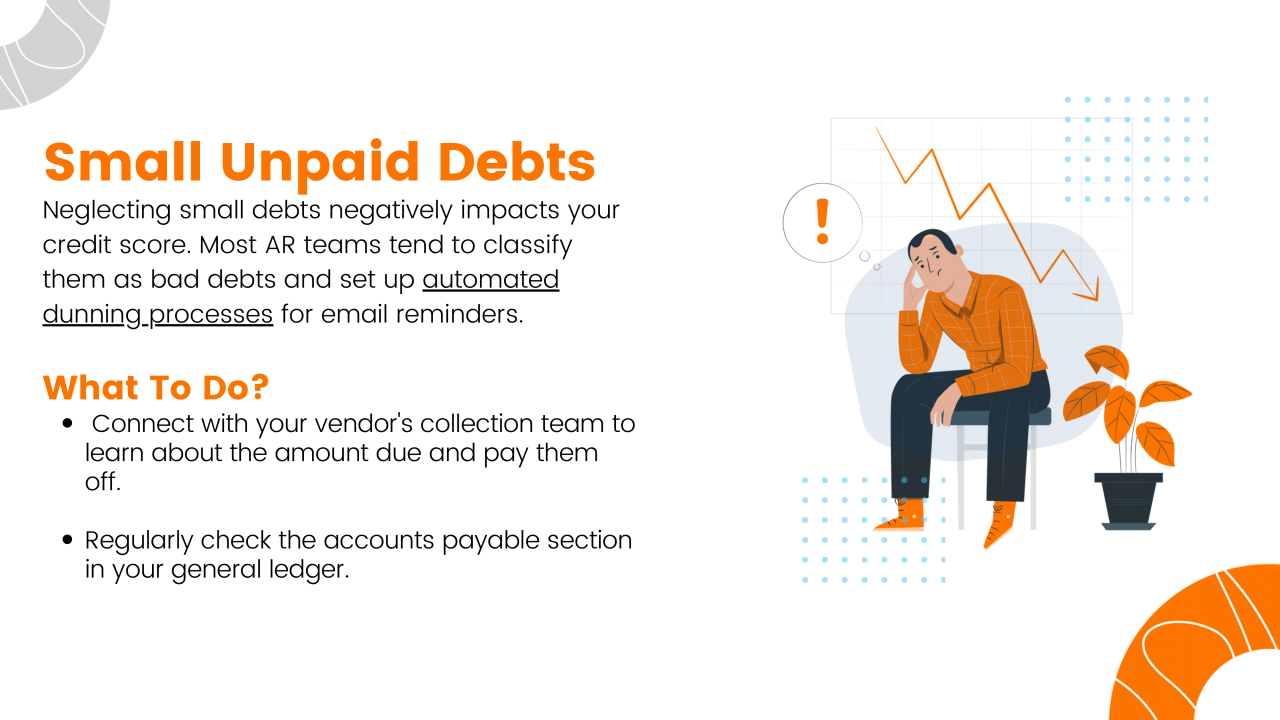
Successfully building credit with credit cards involves a strategic approach to selection and usage. This section will guide you through choosing the right card for your needs, implementing responsible spending habits, and leveraging small, consistent purchases to your advantage. We will also cover the important aspect of responsibly seeking credit limit increases.Choosing your first credit card is a significant step in your credit-building journey.
The right card can accelerate your progress, while the wrong one might present unnecessary challenges. Focusing on cards designed for individuals new to credit or those with limited credit history is paramount.
Selecting the Right Credit Card for Initial Credit Building
When selecting a credit card to build credit, prioritize options that are accessible and designed for this purpose. Secured credit cards are an excellent starting point, as they require a cash deposit that typically equals your credit limit, thereby minimizing risk for the lender. This deposit acts as collateral, making approval more likely. Alternatively, some unsecured cards are specifically marketed towards individuals with no credit history or those looking to rebuild their credit.
These often come with lower credit limits and potentially higher interest rates, but their primary function is to establish a credit record. When evaluating cards, pay close attention to annual fees, interest rates (APR), and any potential rewards programs. For initial credit building, the focus should be on the card’s ability to report your payment history to the credit bureaus, rather than on premium benefits.
Responsible Credit Card Usage for Everyday Purchases
Using a credit card responsibly for everyday purchases is the cornerstone of effective credit building. This practice establishes a positive payment history, which is the most critical factor in credit scoring. The key is to treat your credit card not as an extension of your income, but as a tool for managing expenses and demonstrating financial discipline.Here is a step-by-step guide to using a credit card responsibly for your daily transactions:
- Budgeting First: Before making any purchase with your credit card, ensure it fits within your pre-determined monthly budget. Never spend more than you can afford to pay back.
- Track Your Spending: Keep a close eye on your credit card expenditures throughout the month. Many credit card issuers provide online tools or mobile apps that allow you to monitor your spending in real-time.
- Understand Your Statement: Familiarize yourself with your credit card statement, noting the billing cycle dates, payment due date, and the minimum payment required.
- Prioritize Full Payments: Aim to pay your statement balance in full by the due date each month. This is the most crucial step to avoid interest charges and build a strong credit history.
- Avoid Maxing Out Your Card: Keep your credit utilization ratio low. Ideally, this should be below 30% of your available credit limit, and even lower is better.
- Regularly Review Transactions: Periodically review your credit card statements for any unauthorized charges or errors.
Benefits of Small, Consistent Purchases Paid Off in Full
Utilizing your credit card for small, consistent purchases that are paid off in full each month is a highly effective strategy for credit building. This approach demonstrates to lenders that you can manage credit responsibly on a regular basis. It creates a consistent positive payment history, which is viewed favorably by credit bureaus.The benefits of this practice include:
- Establishing a Payment Pattern: Regularly making small purchases and paying them off in full creates a predictable and positive payment history, showing lenders you are a reliable borrower.
- Keeping Credit Utilization Low: By only spending what you can immediately repay, you naturally keep your credit utilization ratio low, which is a significant factor in credit scoring.
- Avoiding Interest Charges: Paying your balance in full each month means you will not incur any interest charges, allowing your credit to build without accumulating debt.
- Building a Transactional History: Consistent activity, even if small, helps to create a robust transactional history on your credit report, showing active and responsible use of credit.
- Developing Financial Discipline: This habit reinforces responsible spending and budgeting, contributing to overall financial health.
For example, using your credit card for your weekly grocery shopping or your monthly subscription services and then immediately paying the statement balance in full exemplifies this strategy. This creates a steady stream of positive reporting without financial strain.
Requesting Credit Limit Increases Responsibly
As your credit history strengthens and you demonstrate responsible credit card usage, you may become eligible for credit limit increases. Requesting a credit limit increase at the appropriate time can be beneficial for your credit utilization ratio, but it must be done thoughtfully. A higher credit limit, when managed effectively, can lower your credit utilization percentage, which can positively impact your credit score.When considering a credit limit increase:
- Demonstrate a Track Record: Ensure you have a history of responsible credit card use with your current card, including consistent on-time payments and maintaining a low balance relative to your current limit. Lenders typically prefer to see at least six months to a year of positive activity.
- Assess Your Spending Habits: Only request an increase if you are confident you can manage the higher limit responsibly and will not be tempted to overspend. A higher limit is only beneficial if you continue to pay your balance in full or keep utilization low.
- Timing is Key: Avoid requesting an increase immediately after opening the card or if you have recently experienced any financial difficulties. Wait for a period of stable financial health and consistent positive credit behavior.
- Understand the Process: Some credit card issuers automatically review accounts for potential limit increases. For others, you may need to initiate a request online, by phone, or through your account portal.
- Be Aware of Potential Hard Inquiries: In some cases, requesting a credit limit increase may result in a “hard inquiry” on your credit report, which can slightly and temporarily lower your credit score. Check your card issuer’s policy on this before proceeding.
“A higher credit limit is a tool, not an invitation to spend more. Its true value lies in its ability to improve your credit utilization ratio when your spending remains consistent.”
For instance, if your initial credit limit was $500 and you consistently spend $100 per month, your utilization is 20%. If you were to receive an increase to $1,000 and continued to spend $100, your utilization would drop to 10%, which is more favorable for your credit score. However, if you then began spending $400 per month with the new $1,000 limit, your utilization would be 40%, negating the benefit.
Beyond Credit Cards: Other Credit-Building Tools

While credit cards are a prominent tool for building credit, a robust credit profile can be strengthened by exploring various other financial instruments and practices. Diversifying your credit-building efforts can lead to a more comprehensive and positive credit history, demonstrating responsible financial behavior across different types of obligations. This section delves into these alternative avenues, providing insights into how they can contribute to your creditworthiness.
Credit-Builder Loans
Credit-builder loans are specifically designed to help individuals establish or improve their credit history. These loans function differently from traditional loans. Instead of receiving the loan amount upfront, the money is held in a secured savings account by the lender. As you make regular payments on the loan, these payments are reported to the major credit bureaus. Once the loan is fully repaid, you receive the funds that were held in escrow.
This process allows you to demonstrate consistent, on-time payments, a crucial factor in credit scoring, without the immediate risk of accessing a large sum of money.
Reporting Rent and Utility Payments
Traditionally, rent and utility payments have not been directly factored into credit scores. However, a growing number of services and platforms now offer the ability to report these recurring expenses to credit bureaus. By having your on-time rent and utility payments recorded, you can showcase a history of meeting your financial obligations. This is particularly beneficial for individuals who may not have extensive credit card or loan history.Here are examples of how rent and utility payments can be reported:
- Rent Reporting Services: Several companies specialize in verifying and reporting your rental payments to credit bureaus. You typically need to provide proof of payment, such as canceled checks or bank statements, and the service then forwards this information.
- Utility Reporting Programs: Some utility providers offer opt-in programs that report your payment history to credit bureaus. It is important to check with your specific electricity, gas, water, or internet providers to see if such a service is available.
- Rent Payment Platforms: Many modern rent payment platforms allow landlords to report tenant payment history. If you use such a platform, inquire about their credit reporting capabilities.
Authorized User Status
Becoming an authorized user on someone else’s credit card can be a way to leverage an established credit history. When you are added as an authorized user, you receive a card linked to the primary account holder’s credit line. The primary cardholder’s payment history for that account is then reported on your credit report. This can be beneficial if the primary cardholder has a long history of responsible credit use and a good payment record.However, there are important considerations and potential drawbacks to this approach:
- Advantages:
- Can quickly add positive payment history to your credit report.
- May provide access to a credit limit that you might not qualify for on your own.
- Can be a stepping stone to building your own credit history.
- Disadvantages:
- The primary cardholder’s negative activity (late payments, high utilization) will also appear on your credit report and negatively impact your score.
- The primary cardholder is ultimately responsible for all charges, and any mismanagement could have repercussions for both individuals.
- Some lenders may view authorized user accounts differently than accounts held solely in your name, potentially giving them less weight.
It is crucial to have a clear understanding and trust with the primary cardholder before agreeing to this arrangement.
Incorporating Alternative Credit Data into a Credit Profile
Beyond traditional credit accounts, there is a growing recognition of the value of alternative credit data in assessing creditworthiness. This data can provide a more holistic view of an individual’s financial habits. Developing a plan to incorporate these sources can significantly enhance your credit profile.Here is a plan for incorporating alternative credit data:
- Identify Available Alternative Data Sources: Research services and platforms that report non-traditional financial data. This includes rent and utility payments, as mentioned earlier, but can also extend to other areas.
- Choose Reliable Reporting Services: Select services that have a proven track record of reporting accurately and consistently to major credit bureaus. Look for services that are transparent about their reporting processes and fees.
- Ensure Consistent On-Time Payments: The key to leveraging alternative data is demonstrating consistent, timely payments. Treat these obligations with the same importance as loan or credit card payments.
- Monitor Your Credit Reports Regularly: After enrolling in reporting services, it is essential to check your credit reports from all three major bureaus (Equifax, Experian, and TransUnion) periodically. Verify that the alternative data is being reported correctly and is contributing positively to your credit history.
- Consider Services that Aggregate Data: Some services aim to consolidate various alternative data points into a single credit report or score. Explore these options to see if they align with your credit-building goals.
By proactively incorporating these alternative credit-building tools and data sources, individuals can create a more robust and representative credit profile, paving the way for greater financial opportunities.
Handling Credit Report Information
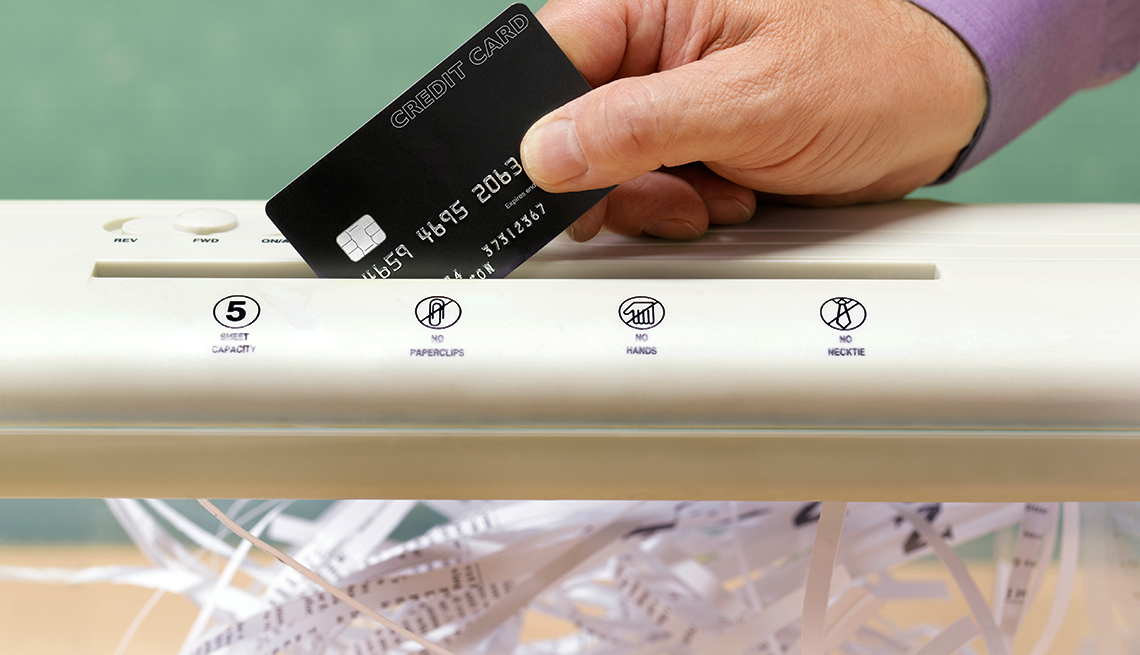
Your credit report is a detailed record of your credit history, and it’s crucial to understand its contents and ensure its accuracy. Regularly reviewing your report allows you to identify any errors that could negatively impact your creditworthiness and to stay informed about your financial standing. This section will guide you through accessing your reports, addressing discrepancies, and interpreting the information presented.
Obtaining Free Annual Credit Reports
The Fair Credit Reporting Act (FCRA) mandates that you are entitled to a free credit report from each of the three major credit bureaus annually. These bureaus collect and maintain credit information for consumers. Accessing these reports is a fundamental step in managing your credit effectively.
To obtain your free annual credit reports, follow these steps:
- Visit the official website for your free annual credit reports: AnnualCreditReport.com. This is the only website authorized by federal law to provide these free reports.
- Alternatively, you can request your reports by phone or by mail. Instructions for these methods are also available on the AnnualCreditReport.com website.
- When requesting, you will typically need to provide personal identification information to verify your identity.
- You can choose to request all three reports at once or stagger your requests throughout the year to monitor your credit more frequently.
Disputing Inaccuracies on a Credit Report
Errors on your credit report can arise from various sources, including clerical mistakes, identity theft, or outdated information. It is essential to dispute any inaccuracies promptly, as they can affect your ability to obtain credit, secure housing, or even get a job.
The process for disputing inaccuracies typically involves the following steps:
- Identify the Inaccuracy: Carefully review your credit report and highlight any information that appears incorrect, such as incorrect account balances, accounts that do not belong to you, or erroneous late payment notations.
- Gather Supporting Documentation: Collect any evidence that supports your claim. This might include billing statements, cancelled checks, or correspondence with the creditor.
- Contact the Credit Bureau: You can dispute information with the credit bureau (Equifax, Experian, or TransUnion) either online, by mail, or by phone. Most bureaus offer online dispute forms, which are often the quickest method. If disputing by mail, send your dispute letter to the address provided on your credit report.
- Write a Dispute Letter: Clearly state the specific information you believe is inaccurate and why. Include copies (never originals) of your supporting documentation. Keep a record of your communication.
- Contact the Furnisher of Information: You can also dispute the accuracy of the information directly with the company that provided it to the credit bureau (the “furnisher”). The credit bureau is required to notify the furnisher of your dispute.
- Follow Up: The credit bureaus are required to investigate your dispute within a reasonable period, typically 30 days (or 45 days if you submit your dispute after receiving your report within that 45-day period). They will contact the furnisher of the information, and if the information is found to be inaccurate or cannot be verified, it must be corrected or removed.
“Accuracy is paramount. If you find an error, act swiftly to correct it.”
Understanding the Credit Report Summary
The summary section of your credit report provides a high-level overview of your credit history. Understanding this section is key to quickly grasping your credit standing and identifying areas that may need attention.
Key components typically found in a credit report summary include:
- Personal Information: Your name, address, Social Security number, and date of birth. Ensure this is accurate to prevent identity theft issues.
- Credit Accounts Overview: A snapshot of your open and closed credit accounts, including credit cards, loans, and mortgages. This section often categorizes accounts by type and provides a count of each.
- Payment History Summary: An indication of your general payment behavior, such as the number of accounts with on-time payments versus those with late payments.
- Credit Inquiries: A list of recent requests for your credit report. “Hard inquiries” (when you apply for credit) can slightly lower your score, while “soft inquiries” (like checking your own credit) do not.
- Public Records: Information such as bankruptcies or liens, which are serious negative items that significantly impact your credit score.
It is beneficial to compare the information in the summary with the detailed account information provided later in the report to ensure consistency and accuracy.
Addressing a Thin Credit File
A “thin credit file” refers to a credit report with very little or no credit history. This can make it difficult for lenders to assess your creditworthiness, often leading to credit denials or higher interest rates.
Strategies to address and build a thin credit file include:
- Secured Credit Cards: These require a cash deposit that typically becomes your credit limit. Using a secured card responsibly can help establish a positive credit history.
- Credit-Builder Loans: These are small loans designed specifically to help individuals build credit. The loan amount is often held in an account while you make payments, and then you receive the funds once the loan is repaid.
- Become an Authorized User: If a trusted friend or family member with a good credit history adds you as an authorized user on their credit card, their positive payment history may appear on your report. However, their negative activity can also affect you.
- Rent and Utility Reporting Services: Some services allow you to report your rent and utility payments to credit bureaus. While not all bureaus accept this information, it can be a valuable addition to your credit file.
- Co-signer: While not ideal for long-term credit building, a co-signer on a loan can help you secure credit initially. Ensure the primary borrower manages the account responsibly, as any missed payments will affect both credit reports.
The goal is to gradually add diverse, positive credit accounts and manage them consistently over time to build a robust and favorable credit profile.
Long-Term Credit Health Strategies
Building a strong credit profile is not a one-time event but an ongoing journey that requires consistent attention and strategic planning. Focusing on long-term credit health ensures your financial well-being and opens doors to better opportunities, such as favorable loan rates and apartment rentals. This section will guide you through essential strategies to maintain and improve your credit standing over the years.The longevity of your credit history plays a significant role in its overall health.
A longer history demonstrates to lenders that you have a proven track record of managing credit responsibly over an extended period. This consistency is a powerful indicator of your reliability as a borrower.
Significance of Maintaining a Long Credit History
A lengthy credit history is a cornerstone of a robust credit score. It provides lenders with a substantial dataset to evaluate your creditworthiness. The longer your credit accounts have been open and managed well, the more confident lenders can be in your ability to handle financial obligations. This extended track record can lead to lower interest rates on loans and mortgages, saving you significant money over time.
It also contributes to a lower credit utilization ratio, as the total available credit tends to increase with age.
Impact of Closing Old Credit Accounts
Closing old credit accounts, especially those with a long positive history, can negatively impact your credit score. When you close an account, its available credit is removed from your total credit limit, which can increase your credit utilization ratio. For instance, if you have a $5,000 credit limit and a $2,000 balance, your utilization is 40%. If you close an account with a $2,000 limit, your total available credit drops to $3,000, making your $2,000 balance 67% utilization, a significant increase.
Additionally, closing older accounts can shorten the average age of your credit history, another factor that influences your score.
Proactive Measures for Missed Payments
Accidentally missing a payment can happen, but how you handle it can mitigate potential damage to your credit. The key is to act swiftly and communicate.Here are proactive steps to take if you realize you’ve missed a payment:
- Pay immediately: As soon as you notice a missed payment, pay the outstanding balance in full, including any late fees. The sooner it’s paid, the less impact it will have.
- Contact the lender: Reach out to your credit card issuer or lender immediately. Explain the situation and inquire if they can waive the late fee or, in some cases, overlook the missed payment if it’s your first offense and you have a good history with them. Lenders are often more understanding when you communicate proactively.
- Set up payment reminders: To prevent future occurrences, set up automatic payments or calendar reminders for your due dates. Many credit card companies offer email or text alerts for upcoming payments.
- Review your statements carefully: Regularly check your credit card and loan statements for accuracy and to ensure you are aware of your payment due dates.
Personal Roadmap for Achieving Credit Score Goals
Creating a personalized roadmap is essential for systematically improving your credit score and achieving specific financial objectives. This involves setting realistic goals and outlining the steps needed to reach them.To develop your personal credit roadmap, consider the following:
- Assess your current credit score: Obtain your credit reports from all three major bureaus (Equifax, Experian, and TransUnion) and check your current credit score. Understanding where you stand is the first step.
- Identify areas for improvement: Analyze your credit reports for any errors, high credit utilization, or negative marks. Prioritize addressing these issues. For example, if your utilization is high, focus on paying down balances.
- Set specific, measurable, achievable, relevant, and time-bound (SMART) goals: Instead of a vague goal like “improve my credit score,” aim for something like “increase my credit score by 50 points in the next 12 months by reducing credit utilization to below 30%.”
- Artikel actionable steps: Break down your goals into smaller, manageable actions. For instance, to reduce utilization, the steps might include allocating an extra $50 per month towards a specific credit card balance.
- Monitor your progress regularly: Periodically check your credit score and reports to track your progress and make adjustments to your plan as needed. This consistent monitoring helps you stay on track and celebrate milestones.
- Plan for long-term maintenance: Once you achieve your goals, establish habits that ensure sustained credit health. This includes continuing to pay bills on time, keeping credit utilization low, and periodically reviewing your credit reports.
For example, someone aiming to improve their score from 650 to 700 in one year might set a goal to pay down a credit card balance by $2,000 and ensure no late payments. They would then schedule monthly payments to achieve this and set reminders to check their progress quarterly.
Ultimate Conclusion

Mastering the art of credit building is a continuous process, and by diligently applying the responsible management practices and strategic usage techniques discussed, you are well-equipped to cultivate a robust credit history. Remember, consistent, informed decisions are your greatest allies in achieving your financial goals.
From understanding credit utilization and setting up automatic payments to leveraging alternative credit data and navigating credit reports with confidence, this comprehensive approach ensures you are not just building credit, but building it wisely for lasting financial health and security.