How to Deal with Accounts in Collections is a crucial topic for anyone navigating financial challenges. Understanding the intricacies of accounts that have entered the collections process can significantly alleviate stress and empower individuals to take control of their financial future. This guide aims to demystify the process, offering clear insights into why accounts go into collections, your rights, and effective strategies for resolution.
We will delve into the common reasons behind accounts being sent to collections, the typical journey an account takes to reach a collection agency, and the immediate effects on your credit and financial standing. Furthermore, we will explore the various types of debts that frequently find their way into this process, setting the stage for a comprehensive understanding of the situation.
Understanding the Situation: Accounts in Collections

When an account becomes past due and remains unpaid, it can eventually be sent to a collection agency. This process, while sometimes necessary for creditors, can significantly impact an individual’s financial well-being. Understanding how accounts end up in collections and the immediate consequences is the crucial first step in effectively managing the situation. This section will guide you through the common reasons for delinquency, the typical journey of an account to a collection agency, and the immediate effects on your credit and financial standing, as well as the types of debts most frequently found in collections.
Common Reasons for Account Delinquency
Several factors can lead to an account becoming overdue and subsequently transferred to collections. These reasons often stem from unforeseen circumstances or a lack of financial management.
- Financial Hardship: Unexpected job loss, significant medical expenses, or other unforeseen financial emergencies can make it difficult to meet payment obligations.
- Poor Budgeting and Overspending: A consistent pattern of spending more than one earns, without a proper budget, can lead to accumulating debt that becomes unmanageable.
- Forgetfulness or Oversight: Simple oversight, such as forgetting to make a payment due to a busy schedule or misplacing bills, can result in an account becoming delinquent.
- Disputed Charges: Sometimes, an account may go into collections if there is a dispute over charges or services that has not been resolved with the original creditor.
- Identity Theft or Fraud: Unauthorized use of an individual’s credit or accounts can lead to charges that the individual is unaware of and therefore does not pay, potentially resulting in collection actions.
The Process of Transferring an Account to a Collection Agency
When an account is significantly past due, the original creditor will typically make several attempts to collect the debt themselves before considering a third-party agency. The transition to a collection agency follows a general, albeit sometimes variable, procedure.
- Internal Collection Efforts: The original creditor will usually send late payment reminders, make phone calls, and offer payment plans to the debtor.
- Account Write-off: If internal efforts fail after a predetermined period (often 120-180 days past due), the creditor may “write off” the debt as a loss.
- Assignment to a Collection Agency: The creditor then has two primary options: they can either sell the debt to a debt buyer for a fraction of its value, or they can hire a collection agency on a contingency basis, where the agency only gets paid if they successfully collect the debt.
- Collection Agency Contact: Once the agency acquires the debt or is hired to collect it, they will begin their own collection efforts, which may include sending demand letters and making phone calls.
Immediate Impacts on Credit Report and Financial Standing
The transfer of an account to collections has swift and substantial consequences for an individual’s financial health, particularly concerning their creditworthiness.
- Credit Score Degradation: A collection account is a significant negative mark on a credit report, leading to a sharp decline in the credit score. This can make it difficult to obtain new credit, rent an apartment, or even secure certain types of employment.
- Difficulty Obtaining Future Credit: Lenders view accounts in collections as a strong indicator of a borrower’s inability or unwillingness to repay debts, making them hesitant to extend new credit.
- Potential for Legal Action: If the debt is substantial and collection efforts are unsuccessful, the collection agency or original creditor may initiate legal proceedings, which could lead to wage garnishment or bank levies.
- Increased Stress and Anxiety: The persistent contact from collection agencies and the knowledge of a damaged credit standing can cause considerable emotional and psychological distress.
Types of Debts Commonly Found in Collections
While various types of financial obligations can end up in collections, certain categories are more prevalent due to their nature and the economic circumstances surrounding them.
| Type of Debt | Explanation | Common Reasons for Delinquency |
|---|---|---|
| Credit Card Debt | Unpaid balances on credit cards. | Overspending, job loss, medical emergencies. |
| Medical Bills | Outstanding balances for healthcare services and treatments. | High deductibles, unexpected treatments, insurance disputes. |
| Auto Loans | Defaulted payments on vehicle financing. | Job loss, vehicle breakdown beyond repair, inability to afford payments. |
| Personal Loans | Unpaid amounts from personal loans taken from banks or other lenders. | Unexpected financial needs, poor financial planning. |
| Utility Bills | Unpaid bills for services like electricity, gas, water, and internet. | Financial hardship, forgetting to pay, service disputes. |
| Student Loans | Defaulted federal or private student loan payments. | Difficulty finding employment post-graduation, insufficient income. |
Your Rights When Dealing with Collectors
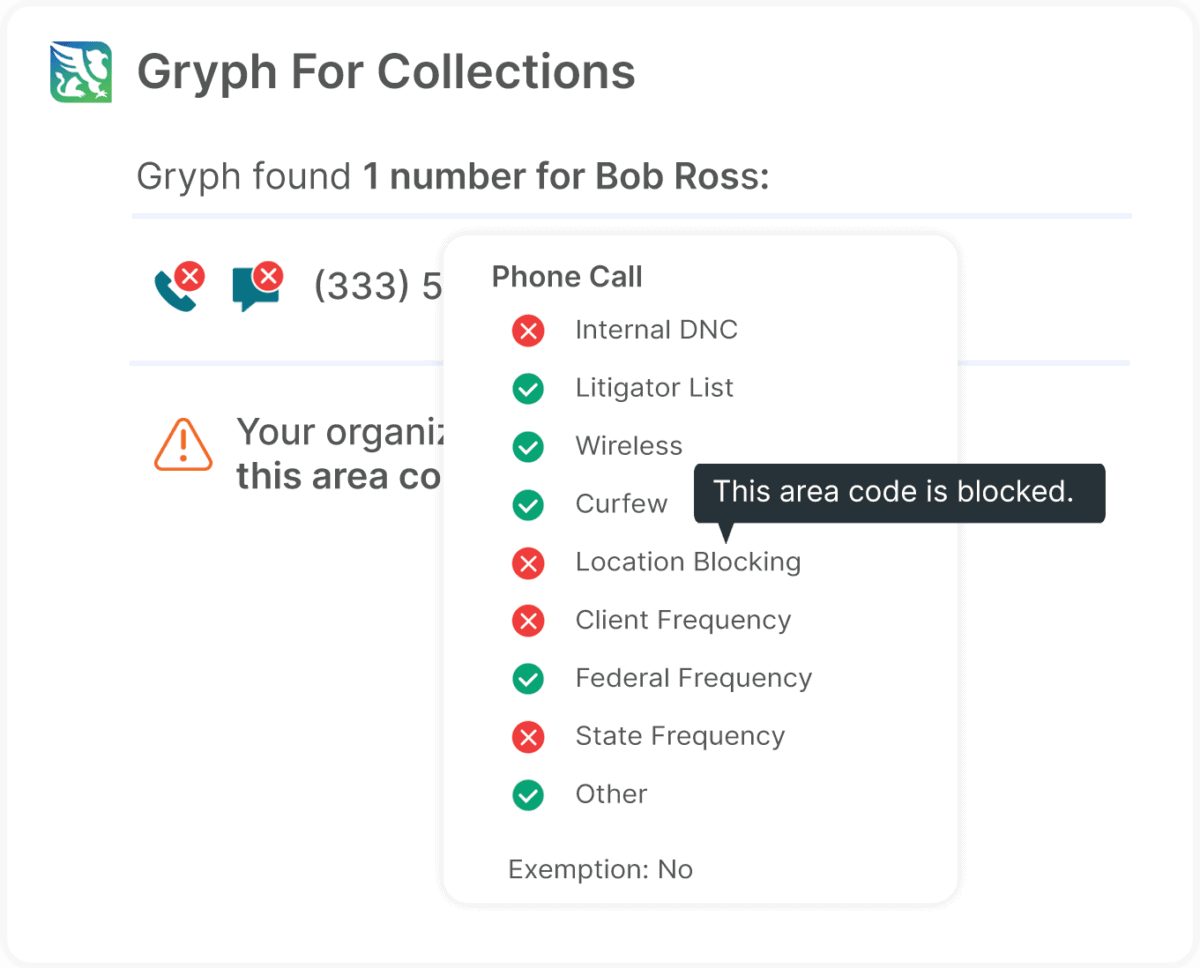
When facing accounts in collections, it’s crucial to understand that you have specific rights designed to protect you from unfair or abusive practices. These rights are primarily established by federal laws, ensuring a more balanced interaction between consumers and debt collectors. Familiarizing yourself with these protections empowers you to navigate the collection process effectively and assertively.Federal legislation, most notably the Fair Debt Collection Practices Act (FDCPA), Artikels a clear framework of consumer rights.
This act applies to third-party debt collectors attempting to collect consumer debts, such as credit card bills, auto loans, and mortgages. It prohibits certain abusive, deceptive, and unfair debt collection practices.
Consumer Protections Under the FDCPA
The FDCPA provides a robust set of protections that limit how and when debt collectors can contact you and what they can say. These rights are fundamental to ensuring fair treatment throughout the debt collection process.
- Communication Restrictions: Collectors cannot contact you at inconvenient times or places. Generally, this means between 8 a.m. and 9 p.m. local time. They also cannot contact you at your place of employment if they know your employer prohibits such calls.
- Prohibition of Harassment: Collectors are forbidden from using threats of violence or other criminal means to harm someone’s reputation or property. They cannot use obscene or profane language or repeatedly call you with the intent to annoy or harass.
- Prohibition of False or Misleading Representations: Collectors cannot lie about the amount of debt you owe, falsely claim to be an attorney or government representative, or threaten legal action they do not intend to take or cannot legally take. They also cannot misrepresent the status of your debt or falsely imply that your credit rating will be affected if you do not pay.
- Prohibition of Unfair Practices: Collectors cannot collect interest, fees, or other charges on a debt unless they are expressly authorized by the original agreement or permitted by law. They also cannot deposit a post-dated check before its date or cause a post-dated check to be presented for payment before its date.
Examples of Illegal or Unethical Collection Practices
Awareness of prohibited practices is key to identifying and responding to misconduct by debt collectors. Recognizing these tactics allows you to protect yourself and seek appropriate recourse.
- Calling you repeatedly throughout the day, even after you’ve asked them to stop.
- Threatening to garnish your wages or seize your property when they have no legal right or intention to do so.
- Contacting your employer, neighbors, or friends to discuss your debt, except in very limited circumstances (e.g., to locate you).
- Misrepresenting themselves as attorneys or government officials to intimidate you.
- Failing to provide you with a written validation notice of the debt.
- Continuing to attempt collection on a debt that has been discharged in bankruptcy.
- Threatening to sue you for a debt that is past the statute of limitations for legal action.
Debt Validation and How to Request It
One of your most important rights is the ability to verify that the debt is legitimate and that the collector is legally entitled to collect it. Requesting debt validation is a critical step in the collection process.The FDCPA requires debt collectors to provide you with validation of the debt. This means they must send you a written notice, usually within five days of their initial contact, that includes the amount of the debt, the name of the creditor to whom the debt is owed, and your right to dispute the debt.To formally request debt validation, you should send a written letter to the debt collector, preferably by certified mail with a return receipt requested.
This ensures you have proof that they received your request. Your letter should clearly state that you are requesting validation of the debt and that you dispute the debt until validation is provided.
“You have the right to dispute the validity of any debt. If you dispute the debt in writing within 30 days of receiving the notice from the debt collector, the collector must cease collection efforts until they have obtained verification of the debt.”
Steps to Take if a Collector Violates Your Rights
If you believe a debt collector has violated your rights under the FDCPA or other applicable laws, it is important to take action to protect yourself and hold the collector accountable.
- Document Everything: Keep detailed records of all communications with the debt collector. This includes dates, times, names of individuals you spoke with, and summaries of your conversations. Save all letters, emails, and voicemails.
- Send a Cease and Desist Letter: If the collector continues to violate your rights after you have notified them of your dispute or informed them of your rights, you can send a formal “cease and desist” letter. This letter should clearly state that you want them to stop contacting you. However, be aware that sending such a letter does not eliminate the debt itself, and the collector may still pursue legal action.
- Report the Violations: You can file a complaint with government agencies responsible for enforcing consumer protection laws. The primary federal agency is the Consumer Financial Protection Bureau (CFPB). You can also file complaints with your state’s Attorney General’s office or the Federal Trade Commission (FTC).
- Consult with an Attorney: If the violations are severe or if you are considering legal action, it is highly recommended to consult with a consumer protection attorney. Attorneys specializing in FDCPA violations can advise you on your legal options, which may include suing the debt collector for damages. Under the FDCPA, you may be able to recover statutory damages, actual damages, attorney’s fees, and court costs.
Strategies for Addressing Collection Accounts
Once you understand your rights and the nature of the debt, it’s time to take proactive steps. Dealing with collection accounts requires a systematic approach to protect your financial well-being and potentially resolve the debt favorably. This section Artikels practical strategies for responding to collection notices, negotiating with agencies, and making informed decisions about payment.Successfully navigating a collection account often involves a combination of careful documentation, strategic communication, and informed negotiation.
By following a structured approach, you can gain control of the situation and work towards a resolution that minimizes the impact on your credit and finances.
Responding to a Collection Notice
The initial response to a collection notice is crucial. It sets the tone for future interactions and can significantly influence the outcome. A well-organized and timely response demonstrates your engagement and can help you verify the debt’s legitimacy.Here is a step-by-step approach to effectively respond to a collection notice:
- Review the Notice Carefully: Read the entire notice to understand the amount claimed, the original creditor, and the collection agency’s contact information. Note any deadlines mentioned.
- Verify the Debt: Before acknowledging or paying anything, request a debt validation letter from the collection agency. This letter should include the amount of the debt, the name of the original creditor, and proof that the agency has the right to collect it.
- Respond in Writing: Always communicate with the collection agency in writing, preferably via certified mail with a return receipt requested. This creates a documented record of your communication.
- Dispute if Necessary: If you believe the debt is not yours, is inaccurate, or has already been paid, clearly state this in your written response and provide any supporting documentation.
- Request a Cease and Desist: If you wish to stop direct contact from the collector, you can send a cease and desist letter. However, this does not eliminate the debt, and the agency may still pursue legal action.
Negotiating with a Collection Agency
Collection agencies are often willing to negotiate, as they may have purchased the debt for a fraction of its original value. Your goal in negotiation is to reach a resolution that is affordable for you and acceptable to the agency.A structured framework for negotiation can significantly improve your chances of success:
- Know Your Financial Situation: Before contacting the agency, assess your current income, expenses, and what you can realistically afford to pay.
- Be Polite but Firm: Maintain a professional and respectful demeanor during all communications. Clearly state your position and your limitations.
- Understand the Agency’s Motivation: Collection agencies aim to recover some amount of the debt. They are often more flexible than the original creditor.
- Document Everything: Keep detailed records of all conversations, including dates, times, names of representatives, and what was discussed or agreed upon.
Proposing a Settlement Offer
A settlement offer is a proposal to pay a reduced amount of the debt in exchange for the agency agreeing to close the account. This is a common strategy for resolving collection accounts, especially if you cannot afford to pay the full amount.When proposing a settlement offer, consider the following:
- Determine Your Offer Amount: Based on your financial assessment, decide on a reasonable settlement amount. Often, offers range from 30% to 70% of the outstanding balance, but this can vary greatly.
- Submit the Offer in Writing: Clearly state your settlement offer in a written communication. Specify that this payment is a “settlement in full” of the debt.
- Request a Written Agreement: If the agency accepts your offer, ensure you receive a written agreement from them before sending any payment. This agreement should state that they accept the reduced amount as full satisfaction of the debt and that they will not pursue further collection efforts.
“A settlement offer should always be in writing and clearly state that the payment is in full satisfaction of the debt.”
Setting Up a Payment Plan
If a lump-sum settlement is not feasible, a payment plan can be an effective way to manage the debt. This involves agreeing to pay the debt (either the full amount or a negotiated settlement) over an extended period in smaller installments.The process of setting up a payment plan involves these key steps:
- Propose a Plan: Suggest a payment plan that aligns with your budget. Be realistic about how much you can afford to pay each month.
- Negotiate Terms: Discuss the duration of the plan, the amount of each installment, and the payment due dates with the collection agency.
- Get it in Writing: As with a settlement, any agreed-upon payment plan must be documented in a written agreement signed by both parties. This agreement should Artikel the total amount to be paid, the installment amounts, due dates, and confirm that the debt will be considered settled upon completion of the plan.
- Adhere to the Plan: Make every payment on time as agreed. Missing payments can void the agreement and lead to renewed collection efforts.
Avoiding Payment of Fraudulent Debts
It is essential to protect yourself from collection attempts for debts that are not yours or are invalid. Proving a debt is fraudulent or inaccurate is your right and can save you significant financial distress.Here are key strategies to avoid paying fraudulent debts:
- Thoroughly Investigate: If you receive a collection notice for a debt you don’t recognize, do not ignore it. Immediately begin investigating its origin.
- Request Debt Validation: As mentioned earlier, a debt validation letter is your first line of defense. If the collector cannot provide sufficient proof of the debt or your responsibility for it, you are not obligated to pay.
- Check Your Credit Reports: Regularly review your credit reports from Equifax, Experian, and TransUnion. Disputing any fraudulent accounts listed on your reports is crucial.
- Report Identity Theft: If you suspect identity theft is involved, file a report with the Federal Trade Commission (FTC) and your local law enforcement agency.
- Understand Statute of Limitations: Be aware of the statute of limitations for debt collection in your state. If the debt is past this period, the collector may not be able to sue you for it. However, this does not erase the debt, and it may still appear on your credit report.
Managing Payments and Documentation
Effectively managing your finances when dealing with collection accounts is paramount to regaining control and establishing a path toward resolution. This involves meticulous record-keeping and a clear understanding of any agreements made. By implementing a structured system for tracking communications and payments, you empower yourself with the information needed to navigate the collection process confidently.
A well-organized approach to managing collection accounts ensures that you are always aware of your financial obligations and the progress you are making. This proactive stance can prevent misunderstandings and protect your rights.
System for Tracking Communications and Payments
Establishing a systematic method for logging all interactions and financial transactions related to collection accounts is crucial. This practice not only aids in staying organized but also serves as a vital record should any disputes arise. A comprehensive tracking system provides a clear overview of your financial commitments and the steps taken to address them.
Consider using a dedicated ledger, spreadsheet, or a specialized budgeting app to maintain these records. Each entry should include the date, the name of the collector or agency, the method of communication (phone call, email, letter), a summary of the conversation or correspondence, and any actions agreed upon or taken.
For payments, meticulously record the date the payment was made, the amount, the payment method, and the confirmation number or reference. It is also beneficial to note any associated fees or interest that were applied.
Significance of Written Agreements for Payment Arrangements
Obtaining all payment arrangements in writing is a fundamental principle when dealing with collection agencies. Verbal agreements, while sometimes made in good faith, can be easily misconstrued or forgotten, leading to potential disputes and misunderstandings. A written agreement provides irrefutable evidence of the terms agreed upon by both parties.
This written documentation protects you by clearly outlining the payment amount, the schedule, the due dates, and any other conditions of the arrangement. It ensures that both you and the collection agency are operating under the same set of expectations, minimizing the risk of future conflicts.
“A handshake is good, but a written agreement is better.”
Always insist on receiving a written confirmation of any settlement offer, payment plan, or modification to your existing agreement before making any payments based on that arrangement. Review this document carefully to ensure it accurately reflects your understanding.
Essential Documents for Collection Accounts
Maintaining a well-organized file of all relevant documents is essential for managing collection accounts effectively. These documents serve as your evidence and reference points throughout the process. Having these readily available can significantly streamline communication and resolution.
Here is a checklist of essential documents to keep:
- Original Debt Information: Statements, loan agreements, or credit card bills from the original creditor.
- Collection Agency Correspondence: All letters, emails, and notices received from the collection agency.
- Payment Records: Copies of canceled checks, money orders, bank statements, or online payment confirmations for all payments made.
- Written Agreements: Signed settlement agreements, payment plans, or any other written contracts with the collection agency.
- Proof of Communication: Notes from phone calls (date, time, representative’s name, summary of discussion), and copies of any faxes sent.
- Debt Validation Letter: A copy of your request for debt validation and the response from the collection agency.
- Dispute Letters: Copies of any letters you have sent disputing the debt or specific charges.
- Court Documents (if applicable): Any legal documents if the debt has gone to court.
Understanding Settlement or Payment Plan Terms
Before agreeing to any settlement or payment plan, it is imperative to thoroughly understand all the terms and conditions. Misinterpreting these terms can lead to unforeseen financial burdens or complications. A clear comprehension ensures that the agreement aligns with your financial capabilities and long-term goals.
Pay close attention to the following aspects:
- Total Amount Due: Understand if the settlement amount is a lump sum or if it includes interest and fees. Clarify if paying less than the full amount will be reported as a settled debt.
- Payment Schedule: Note the exact amount of each payment, the frequency (weekly, bi-weekly, monthly), and the specific due dates.
- Interest and Fees: Ascertain if any interest or additional fees will accrue during the payment plan.
- Impact on Credit Report: Understand how the settlement or payment plan will be reported to credit bureaus. For instance, a settled debt for less than the full amount may still negatively impact your credit score.
- Contingencies: Be aware of any conditions that could void the agreement, such as missing a payment.
- “Paid in Full” Language: Ensure the agreement clearly states that the debt will be considered “paid in full” upon successful completion of the plan, and that the collection agency will cease further collection efforts.
If any aspect of the settlement or payment plan is unclear, do not hesitate to ask the collection agency for clarification. It is always advisable to have all terms in writing before proceeding.
Long-Term Financial Health After Collections

Successfully navigating accounts in collections is a significant step, but the journey to robust financial health extends beyond resolving immediate issues. Rebuilding your credit and establishing sustainable financial habits are crucial for long-term security and achieving your financial aspirations. This section focuses on the proactive measures and strategies that will help you move forward positively after dealing with collection accounts.Effectively managing your finances after collections involves a strategic approach to credit repair and the implementation of practices that prevent future financial distress.
By understanding the lasting implications of collection accounts and utilizing available resources, you can build a stronger financial foundation.
Rebuilding Credit After Collections
Once an account has been in collections, its presence can negatively impact your credit score. The good news is that it is possible to rebuild your credit over time with consistent effort and responsible financial behavior. The primary goal is to demonstrate to lenders that you are a reliable borrower.The following steps are instrumental in the credit rebuilding process:
- Monitor Your Credit Reports: Regularly obtain copies of your credit reports from the three major credit bureaus (Equifax, Experian, and TransUnion) to ensure accuracy and track your progress. You are entitled to a free report from each bureau annually.
- Pay Bills On Time: Payment history is the most significant factor influencing your credit score. Make every effort to pay all your bills, including new credit accounts, on or before their due dates.
- Reduce Credit Utilization: If you have existing credit cards, aim to keep your balances low relative to your credit limits. A utilization ratio below 30% is generally recommended, and ideally below 10%.
- Consider a Secured Credit Card: A secured credit card requires a cash deposit that typically becomes your credit limit. This can be an excellent tool for building a positive payment history, as responsible use is reported to credit bureaus.
- Become an Authorized User: If a trusted family member or friend with excellent credit history is willing, they can add you as an authorized user to one of their credit cards. Their positive payment history can then reflect on your report.
- Dispute Errors: If you find any inaccuracies on your credit reports, dispute them with the credit bureaus immediately. Correcting errors can lead to an improvement in your score.
Preventing Future Accounts from Going into Collections
The most effective way to avoid the stress and negative consequences of accounts going into collections is to implement preventative strategies. This involves careful budgeting, proactive communication with creditors, and maintaining an emergency fund.Key strategies for preventing future collection issues include:
- Develop a Realistic Budget: Create a detailed budget that tracks your income and expenses. Identify areas where you can cut back to free up funds for essential payments and savings.
- Build an Emergency Fund: Aim to save at least three to six months of living expenses. This fund will act as a buffer against unexpected costs, such as job loss, medical emergencies, or major repairs, preventing you from falling behind on bills.
- Prioritize Essential Bills: In times of financial strain, prioritize payments for necessities like housing, utilities, and food.
- Communicate with Creditors Early: If you anticipate difficulty making a payment, contact your creditors
-before* the due date. They may be willing to offer a payment plan, deferment, or temporary hardship arrangement. - Avoid Unnecessary Debt: Be judicious about taking on new debt. Before making a large purchase on credit, consider if it is truly necessary and if you can comfortably afford the monthly payments.
- Review Spending Habits Regularly: Periodically review your bank statements and credit card statements to understand where your money is going and identify any patterns of overspending.
Impact of Collection Accounts on Future Financial Goals
The presence of collection accounts on your credit report can have a significant and lasting impact on your ability to achieve future financial goals. Lenders view collection accounts as indicators of past financial difficulties, which can make them hesitant to extend credit.The implications for future loan applications and financial goals include:
- Higher Interest Rates: When you are approved for loans after having collection accounts, you will likely face higher interest rates. This is because lenders perceive you as a higher risk, and the increased rate compensates them for that risk. Over the life of a loan, this can mean paying significantly more in interest. For example, a mortgage with a higher interest rate could add tens of thousands of dollars to the total cost of the home over 30 years.
- Loan Denials: In some cases, collection accounts can lead to outright loan denials, especially for significant financial products like mortgages or auto loans. This can delay or prevent you from purchasing a home, a reliable vehicle, or pursuing other important life milestones.
- Difficulty Renting: Landlords often check credit reports as part of the tenant screening process. A history of collections can make it challenging to secure rental housing.
- Impact on Employment: Some employers, particularly in financial or sensitive roles, may review credit reports as part of their background check. A history of financial irresponsibility could affect hiring decisions.
- Reduced Financial Flexibility: Even if you are approved for credit, the terms may be less favorable, limiting your financial flexibility and potentially hindering your ability to invest or save effectively.
Resources and Tools for Ongoing Financial Management
Maintaining long-term financial health requires ongoing attention and the utilization of helpful resources and tools. These can provide guidance, structure, and support as you manage your finances and continue to rebuild your credit.The following resources and tools can be invaluable:
- Budgeting Apps and Software: Numerous applications and software programs are available to help you create and track your budget, categorize expenses, and monitor your spending habits. Popular options include Mint, YNAB (You Need A Budget), and PocketGuard.
- Credit Monitoring Services: Services like Credit Karma, Credit Sesame, and those offered directly by credit bureaus provide regular updates on your credit score and report, helping you stay informed and identify any potential issues promptly.
- Non-Profit Credit Counseling Agencies: Organizations accredited by the National Foundation for Credit Counseling (NFCC) or the Financial Counseling Association of America (FCAA) offer free or low-cost financial education, budget counseling, and debt management plans.
- Financial Education Websites and Courses: Many reputable websites, such as those from government agencies (e.g., Consumer Financial Protection Bureau) and financial institutions, offer a wealth of information, articles, and online courses on personal finance topics.
- Online Calculators: Various online calculators can help you with loan amortization, savings goals, retirement planning, and understanding the impact of interest rates on your financial decisions.
- Personal Finance Books and Podcasts: A wide range of books and podcasts are available that cover various aspects of personal finance, offering insights and actionable advice from experts.
Final Wrap-Up
Navigating accounts in collections requires a proactive and informed approach. By understanding your rights, employing effective negotiation strategies, and diligently managing payments and documentation, you can successfully resolve these outstanding debts. Rebuilding your credit and securing your long-term financial health is achievable with the right knowledge and tools, transforming a challenging situation into an opportunity for financial growth and stability.